Data may be outdated
Last updated: 3 weeks ago — Click refresh to get the latest statistics.
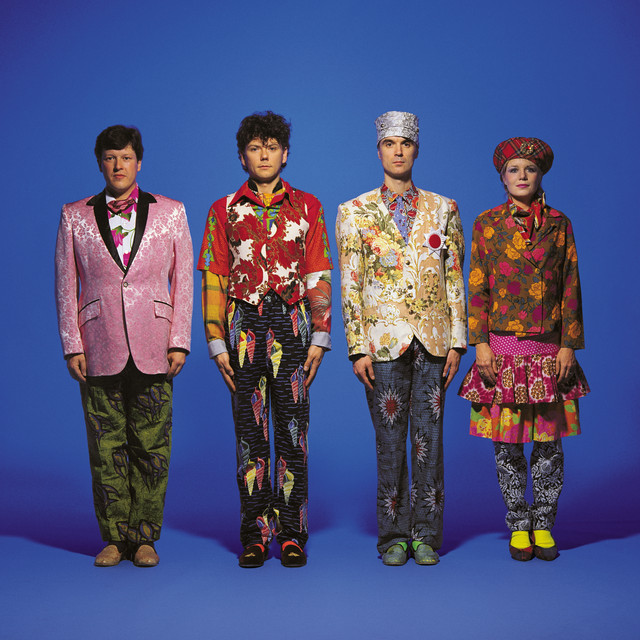
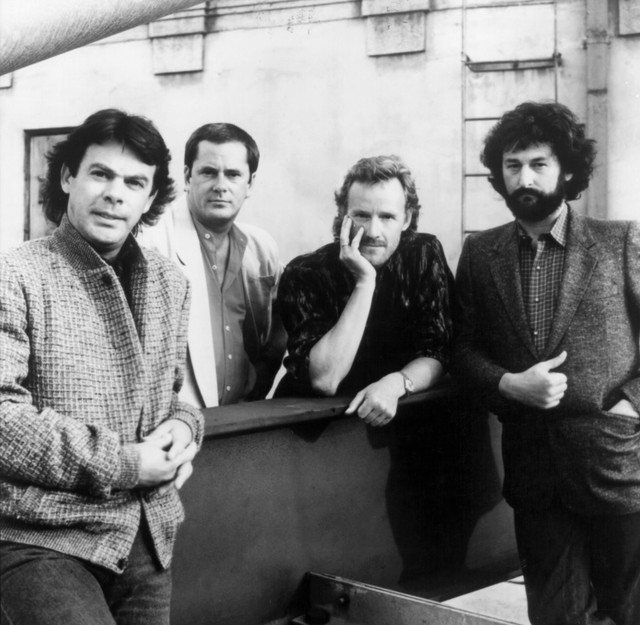
And they were literally art-school punks. Guitarist/vocalist <a href="spotify:artist:20vuBdFblWUo2FCOvUzusB">David Byrne</a>, drummer <a href="spotify:artist:5RKVhqM42RSFBmTsLBRL1o">Chris Frantz</a>, and bassist <a href="spotify:artist:02MGnE8miuIA6RpDdpk0oN">Tina Weymouth</a> met at the Rhode Island School of Design in the early '70s; they decided to move to New York in 1974 to concentrate on making music. The next year, the band won a spot opening for <a href="spotify:artist:1co4F2pPNH8JjTutZkmgSm">the Ramones</a> at the seminal New York punk club CBGB. In 1976, keyboardist <a href="spotify:artist:1GkiKu2FJFSBrXSL8wKFzy">Jerry Harrison</a>, a former member of <a href="spotify:artist:6hkch2KhRl0tywpeVK5xR5">Jonathan Richman</a>'s <a href="spotify:artist:2eRdPaLHWAL4d1WcNUO9Vz">Modern Lovers</a>, was added to the lineup. By 1977, the band had signed to <a href="spotify:search:label%3A%22Sire+Records%22">Sire Records</a> and released its first album, Talking Heads: 77. It received a considerable amount of acclaim for its stripped-down rock & roll, particularly <a href="spotify:artist:20vuBdFblWUo2FCOvUzusB">Byrne</a>'s geeky, overly intellectual lyrics and uncomfortable, jerky vocals.
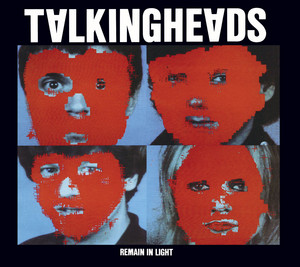
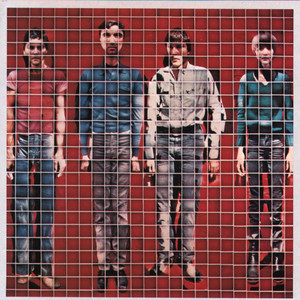
For their next album, 1978's More Songs About Buildings and Food, the band worked with producer <a href="spotify:artist:7MSUfLeTdDEoZiJPDSBXgi">Brian Eno</a>, recording a set of carefully constructed, arty pop songs, distinguished by extensive experimenting with combined acoustic and electronic instruments, as well as touches of surprisingly credible funk. On their next album, the <a href="spotify:artist:7MSUfLeTdDEoZiJPDSBXgi">Eno</a>-produced Fear of Music, Talking Heads began to rely heavily on their rhythm section, adding flourishes of African-styled polyrhythms. This approach came to a full fruition with 1980's Remain in Light, which was again produced by <a href="spotify:artist:7MSUfLeTdDEoZiJPDSBXgi">Eno</a>. Talking Heads added several sidemen, including a horn section, leaving them free to explore their dense amalgam of African percussion, funk bass and keyboards, pop songs, and electronics.
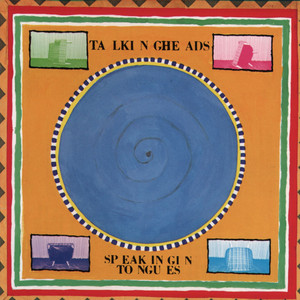
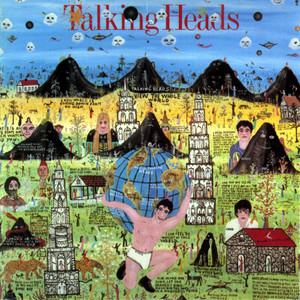
After a long tour, the band concentrated on solo projects for a couple of years. By the time of 1983's Speaking in Tongues, the band had severed its ties with <a href="spotify:artist:7MSUfLeTdDEoZiJPDSBXgi">Eno</a>; the result was an album that still relied on the rhythmic innovations of Remain in Light, except within a more rigid pop-song structure. After its release, Talking Heads embarked on another extensive tour, which was captured on the Jonathan Demme-directed concert film Stop Making Sense. After releasing the straightforward pop album Little Creatures in 1985, <a href="spotify:artist:20vuBdFblWUo2FCOvUzusB">Byrne</a> directed his first movie, True Stories, the following year; the band's next album featured songs from the film. Two years later, Talking Heads released Naked, which marked a return to their worldbeat explorations, although it sometimes suffered from <a href="spotify:artist:20vuBdFblWUo2FCOvUzusB">Byrne</a>'s lyrical pretensions.
After its release, Talking Heads were put on "hiatus"; <a href="spotify:artist:20vuBdFblWUo2FCOvUzusB">Byrne</a> pursued some solo projects, as did <a href="spotify:artist:1GkiKu2FJFSBrXSL8wKFzy">Harrison</a>, and <a href="spotify:artist:5RKVhqM42RSFBmTsLBRL1o">Frantz</a> and <a href="spotify:artist:02MGnE8miuIA6RpDdpk0oN">Weymouth</a> continued with their side project, <a href="spotify:artist:1m24736Bdew1oQVxTePOCo">Tom Tom Club</a>. In 1991, the band issued an announcement that they had broken up. Shortly thereafter, <a href="spotify:artist:1GkiKu2FJFSBrXSL8wKFzy">Harrison</a>'s production took off with successful albums by <a href="spotify:artist:6eoJpTIlcuxJNjV5fDzDJH">Live</a> and <a href="spotify:artist:1YEGETLT2p8k97LIo3deHL">Crash Test Dummies</a>. In 1996, the original lineup minus <a href="spotify:artist:20vuBdFblWUo2FCOvUzusB">Byrne</a> reunited for the album No Talking Just Head; <a href="spotify:artist:20vuBdFblWUo2FCOvUzusB">Byrne</a> sued <a href="spotify:artist:5RKVhqM42RSFBmTsLBRL1o">Frantz</a>, <a href="spotify:artist:02MGnE8miuIA6RpDdpk0oN">Weymouth</a>, and <a href="spotify:artist:1GkiKu2FJFSBrXSL8wKFzy">Harrison</a> for attempting to record and perform as Talking Heads, so the trio went by <a href="spotify:artist:1iGQpVzGEvIGOHVLljx2W1">the Heads</a>. In 1999, all four worked together to promote a 15th-anniversary edition of Stop Making Sense, and they also performed at the 2002 induction ceremony for their entrance into the Rock and Roll Hall of Fame. Through the 2010s, <a href="spotify:artist:20vuBdFblWUo2FCOvUzusB">Byrne</a> released a number of solo and collaborative projects. <a href="spotify:artist:1m24736Bdew1oQVxTePOCo">Tom Tom Club</a> continued to tour, while <a href="spotify:artist:1GkiKu2FJFSBrXSL8wKFzy">Harrison</a> produced albums for the likes of <a href="spotify:artist:0cQbJU1aAzvbEmTuljWLlF">No Doubt</a>, <a href="spotify:artist:5QPNEMldc8k1g5hT54PCWg">the Von Bondies</a>, and <a href="spotify:artist:0UaUeprRolTdlmZVU4yzPS">Hockey</a>. ~ Stephen Thomas Erlewine, Rovi
Monthly Listeners
11.5 million
Monthly Listeners History
Track the evolution of monthly listeners over the last 28 days.
Followers
3.1 million
Followers History
Track the evolution of followers over the last 28 days.
Total Streams
3.4 billion
Total Streams History
Track the evolution of total streams over the last 28 days. This data is calculated from all tracks listed in the artist's discography.
Top Cities




Related Artists
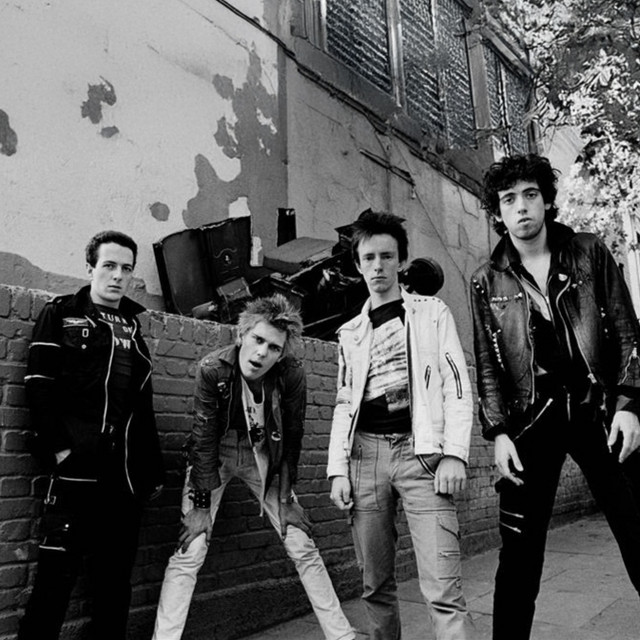
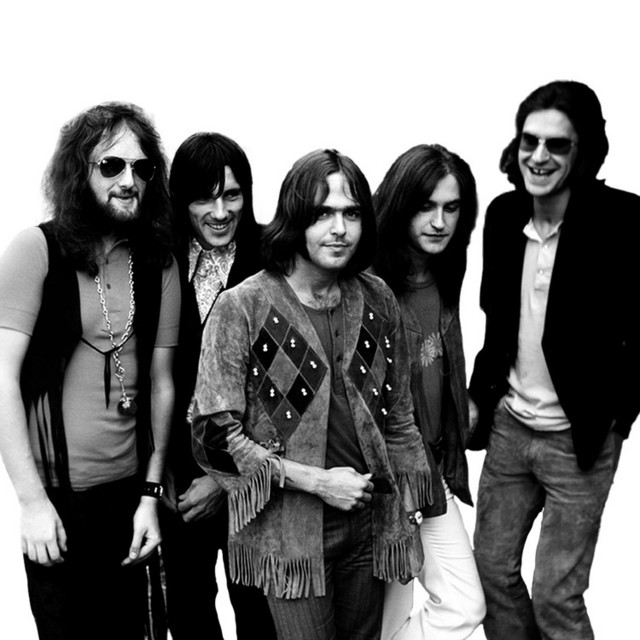
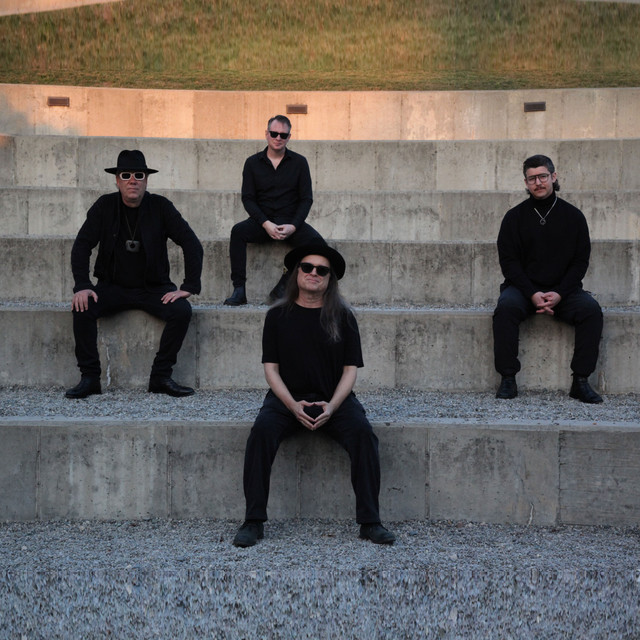
Violent Femmes











![Stop Making Sense (Deluxe Edition) [Live]](https://i.scdn.co/image/ab67616d00001e02874604996c94bfa76df1cea0)