Last updated: 2 days ago
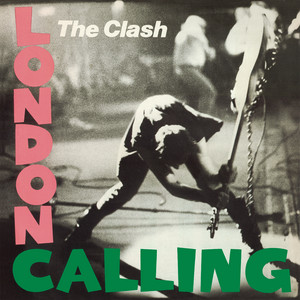
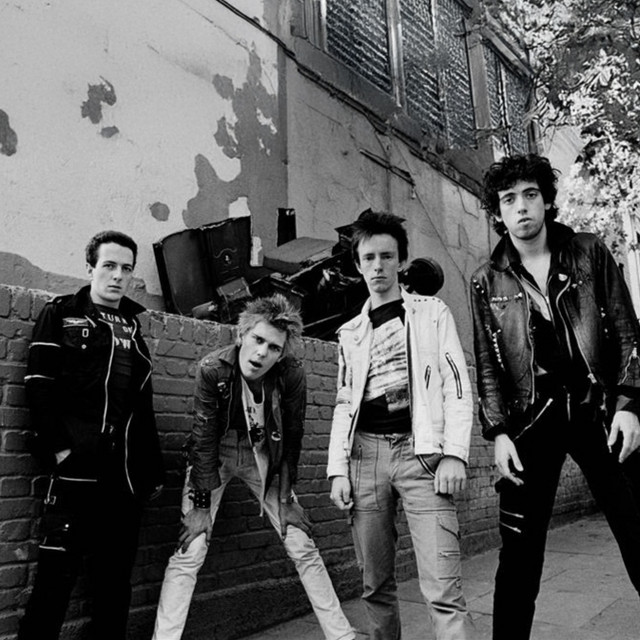
The Clash was one of the first and most important British punk bands. In the 1970s, they were <a href="spotify:artist:3WrFJ7ztbogyGnTHbHJFl2">the Beatles</a> to the <a href="spotify:artist:1u7kkVrr14iBvrpYnZILJR">Sex Pistols</a>' <a href="spotify:artist:22bE4uQ6baNwSHPVcDxLCe">Stones</a> and went on to incorporate elements from all the roots music they loved -- reggae, rockabilly, soul, blues -- without ever straying too far from their punk roots and their political commitment. Their landmark 1979 double album, London Calling, stands as one of rock music's finest and most ambitious achievements. <a href="spotify:artist:6QFIIkwi4R2erQsIp0TDSb">Mick Jones</a>, <a href="spotify:artist:62bYKAZ5EdmG5Aca9dtVan">Paul Simonon</a>, and <a href="spotify:artist:2A09V0kHlETOFfT8Hz8oba">Joe Strummer</a> all went on to other projects after the Clash (<a href="spotify:artist:7hqZBHSgDs1odG9aupMzEI">Big Audio Dynamite</a>, <a href="spotify:artist:5LMqGAPnXjYBwv4CmaWQTG">Havana 3 AM</a>, <a href="spotify:artist:2A09V0kHlETOFfT8Hz8oba">Strummer</a>'s solo albums). Plans to reunite for their induction to the Rock & Roll Hall of Fame were pre-empted by <a href="spotify:artist:2A09V0kHlETOFfT8Hz8oba">Strummer</a>'s death in December of 2002.
For a band that constantly sang about revolution and the working class, the Clash had surprisingly traditional roots. <a href="spotify:artist:2A09V0kHlETOFfT8Hz8oba">Joe Strummer</a> had spent most of his childhood in boarding school. By the time he was in his early twenties, he had busked on the streets of London and had formed a pub rock band called <a href="spotify:artist:75s7RfViwIXirjnRYkZWPe">the 101'ers</a>. Around the same time, <a href="spotify:artist:6QFIIkwi4R2erQsIp0TDSb">Mick Jones</a> was leading a hard rock group called the London SS. Unlike <a href="spotify:artist:2A09V0kHlETOFfT8Hz8oba">Strummer</a>, <a href="spotify:artist:6QFIIkwi4R2erQsIp0TDSb">Jones</a> came from a working-class background in Brixton. Throughout his teens, he was fascinated with rock & roll, and he had formed the London SS with the intent of replicating the hard-driving sound of <a href="spotify:artist:6ysQi6NI88X627t2srsWz6">Mott the Hoople</a> and <a href="spotify:artist:3v4feUQnU3VEUqFrjmtekL">Faces</a>. <a href="spotify:artist:6QFIIkwi4R2erQsIp0TDSb">Jones</a>' childhood friend <a href="spotify:artist:62bYKAZ5EdmG5Aca9dtVan">Paul Simonon</a> joined the group as a bassist in 1976 after hearing the <a href="spotify:artist:1u7kkVrr14iBvrpYnZILJR">Sex Pistols</a>; he replaced <a href="spotify:artist:7qLiVFiF7qR2cYynxyv7pv">Tony James</a>, who would later join <a href="spotify:artist:1inWec2E2UgfzMAhwjgTXe">Generation X</a> and <a href="spotify:artist:6GKVXdXGEOPzpilArcqBun">Sigue Sigue Sputnik</a>. At the time, the band also featured drummer Tory Crimes, who had recently replaced Topper Headon. After witnessing <a href="spotify:artist:1u7kkVrr14iBvrpYnZILJR">the Sex Pistols</a> in concert, <a href="spotify:artist:2A09V0kHlETOFfT8Hz8oba">Joe Strummer</a> decided to break up <a href="spotify:artist:75s7RfViwIXirjnRYkZWPe">the 101'ers</a> in early 1976 in order to pursue a new, harder-edged musical direction. He left the band just before their first single, "Keys to Your Heart," was released. Along with fellow <a href="spotify:artist:75s7RfViwIXirjnRYkZWPe">101'er</a> guitarist <a href="spotify:artist:18dpDwVQHRruFad7SBmFQc">Keith Levene</a>, <a href="spotify:artist:2A09V0kHlETOFfT8Hz8oba">Strummer</a> joined the revamped London SS, now renamed the Clash.
The Clash performed its first concert in the summer of 1976, supporting <a href="spotify:artist:1u7kkVrr14iBvrpYnZILJR">the Sex Pistols</a> in London. <a href="spotify:artist:18dpDwVQHRruFad7SBmFQc">Levene</a> left the band shortly afterward. Hiring Bernard Rhodes -- a former business associate of <a href="spotify:artist:1u7kkVrr14iBvrpYnZILJR">Sex Pistols</a> manager <a href="spotify:artist:4ihCM8I0fpWodgjo0mTlhZ">Malcolm McLaren</a> -- as their manager, the Clash set out on <a href="spotify:artist:1u7kkVrr14iBvrpYnZILJR">the Pistols</a>' notorious Anarchy Tour late in 1976. Though only three concerts were performed, it nevertheless raised the Clash's profile and the band secured a record contract in February of 1977 with British <a href="spotify:search:label%3A%22CBS%22">CBS</a>. Over the course of three weekends, they recorded their debut album. Once the sessions were completed, Terry Chimes left the group, and Headon came aboard as the band's drummer. In the spring, the Clash's first single, "White Riot," and eponymous debut album were released to great critical acclaim and sales in the U.K., peaking at number 12 on the charts. The American division of <a href="spotify:search:label%3A%22CBS%22">CBS</a> thought The Clash wasn't fit for radio play, so it decided not to release the album. The import of the record became the largest-selling import of all time. Shortly after the U.K. release of The Clash, the band set out on the whirlwind White Riot tour supported by <a href="spotify:artist:66U6cJ3kDBat0jS42Jkp9q">the Jam</a> and <a href="spotify:artist:2DxlS3lTLFIq70S7ap5H3y">the Buzzcocks</a>; the tour was highlighted by a date at London's Rainbow Theatre, where the audience tore the seats out of the venue. During the White Riot tour, <a href="spotify:search:label%3A%22CBS%22">CBS</a> pulled "Remote Control" off the album as a single, and as a response, the Clash recorded "Complete Control" with reggae icon <a href="spotify:artist:1TsG4AumsMt1Tcq2nHpov9">Lee "Scratch" Perry</a>.
Throughout 1977, <a href="spotify:artist:2A09V0kHlETOFfT8Hz8oba">Strummer</a> and <a href="spotify:artist:6QFIIkwi4R2erQsIp0TDSb">Jones</a> were in and out of jail for myriad minor indiscretions, ranging from vandalism to stealing a pillowcase, while <a href="spotify:artist:62bYKAZ5EdmG5Aca9dtVan">Simonon</a> and Headon were arrested for shooting racing pigeons with an air gun. The Clash's outlaw image was bolstered considerably by such events, but the band also began to branch out into social activism, such as headlining a Rock Against Racism concert. Released in the summer of 1978, the single "(White Man) In Hammersmith Palais" demonstrated the band's growing social consciousness. Shortly after the single peaked at number 32, the Clash began working on their second album with producer Sandy Pearlman, a former member of <a href="spotify:artist:00tVTdpEhQQw1bqdu8RCx2">Blue Öyster Cult</a>. Pearlman gave Give 'Em Enough Rope a clean but powerful sound designed to break the American market. While that didn't happen -- the album peaked at 128 on the U.S. charts in the spring of 1979 -- the record became an enormous hit in Britain, debuting at number two on the charts.
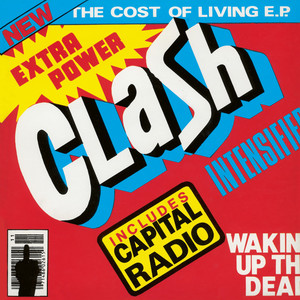
Early in 1979, the Clash began their first American tour, calling it "Pearl Harbor '79." That summer, the band released the U.K.-only EP The Cost of Living, which featured a cover of <a href="spotify:artist:5XoM6cP8fQykllfuK5V5TR">the Bobby Fuller Four</a>'s "I Fought the Law." Following the later summer release of The Clash in America, the group set out on its second U.S. tour, hiring Mickey Gallagher of <a href="spotify:artist:7r993rArgKraCkh8w4Wszl">Ian Dury's Blockheads</a> as a keyboardist. On both of their U.S. tours, the Clash had R&B acts like <a href="spotify:artist:2bmixwMZXlkl2sbIbOfviq">Bo Diddley</a>, <a href="spotify:artist:2BVYdY4PyfCF9z4NrkhEB2">Sam & Dave</a>, <a href="spotify:artist:0En4EEcDMJ5kaUCf1aZ9js">Lee Dorsey</a>, and <a href="spotify:artist:3VBpsrUi2vV7Uj87ONHu7Z">Screamin' Jay Hawkins</a> support them, as well as neo-traditionalist country-rocker <a href="spotify:artist:388Y4nUQbYSyonhNlBEypT">Joe Ely</a> and the punk rockabilly band <a href="spotify:artist:4lYtGx5NZQJHsMyhHc5iz3">the Cramps</a>. The choice of supporting acts indicated that the Clash were becoming fascinated with older rock & roll and all of its legends. That fascination became the driving force behind their breakthrough double album, London Calling. Produced by Guy Stevens, who'd formerly worked with <a href="spotify:artist:6ysQi6NI88X627t2srsWz6">Mott the Hoople</a>, London Calling boasted an array of styles, ranging from rockabilly and New Orleans R&B to anthemic hard rock and reggae. Retailing at the price of a single album, the record debuted at number nine on the U.K. charts in late 1979 and climbed to number 27 on the U.S. charts in the spring of 1980.
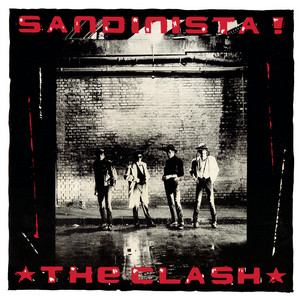
The Clash successfully toured the U.S., the U.K., and Europe in early 1980, during which time the pseudo-documentary Rude Boy was released in England. During the summer, the band released the Dutch-only, dub-inflected single "Bankrobber," which they recorded with DJ <a href="spotify:artist:6xKQ3GOnt3gjzja4IcLyg4">Mikey Dread</a>; by the fall, the British branch of <a href="spotify:search:label%3A%22CBS%22">CBS</a> was forced to release the single due to popular demand. Shortly afterward, the band went to New York to begin the tension-filled, self-produced sessions for their follow-up to London Calling. In November, a U.S.-only EP of odds and ends entitled Black Market Clash was released. The following month, the triple-record set Sandinista! appeared in the U.K. and the U.S. The critical reaction to the album was decidedly mixed, with American critics reacting more favorably than their British counterparts. Furthermore, the band's audience in the U.K. was shrinking slightly -- Sandinista! was the first record the group released that sold more copies in the U.S. than the U.K.
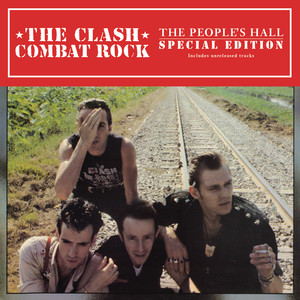
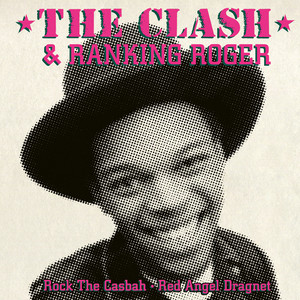
After spending much of 1981 touring and resting, the Clash reconvened late in the year to record their fifth album with producer Glyn Johns, a former engineer/producer for <a href="spotify:artist:22bE4uQ6baNwSHPVcDxLCe">the Rolling Stones</a> and <a href="spotify:artist:36QJpDe2go2KgaRleHCDTp">Led Zeppelin</a>. Headon left the band shortly after the sessions finished; the press statement said he parted with the group due to political differences, but it was later revealed that the split was due to his heavy drug use. Headon was replaced with their old drummer, Terry Chimes, around the spring release of Combat Rock. The album was the Clash's most commercially successful effort, entering the U.K. charts at number two and climbing into the American Top Ten in early 1983, thanks to the Top Ten hit single "Rock the Casbah." During the fall of 1982, the Clash opened for <a href="spotify:artist:67ea9eGLXYMsO2eYQRui3w">the Who</a> on their farewell tour. Though the tour helped Combat Rock scale the U.S. charts, the Clash were routinely booed off the stage on every date of the tour.
Although the Clash were at the height of their commercial powers in 1983, they were beginning fall apart. Chimes was fired in the spring and replaced by Pete Howard, formerly of Cold Fish. During the summer, the band headlined the U.S. Festival in California; it would be their last major appearance. In September, <a href="spotify:artist:2A09V0kHlETOFfT8Hz8oba">Joe Strummer</a> and <a href="spotify:artist:62bYKAZ5EdmG5Aca9dtVan">Paul Simonon</a> fired <a href="spotify:artist:6QFIIkwi4R2erQsIp0TDSb">Mick Jones</a> because he "drifted apart from the original idea of the Clash." <a href="spotify:artist:6QFIIkwi4R2erQsIp0TDSb">Jones</a> formed <a href="spotify:artist:7hqZBHSgDs1odG9aupMzEI">Big Audio Dynamite</a> the following year, while the Clash hired guitarists Vince White and <a href="spotify:artist:5YIlRo3qv10N4YjLl4s3Io">Nick Sheppard</a> to fill his vacancy. Throughout 1984, the band toured America and Europe, testing the new lineup. The revamped Clash finally released their first album, Cut the Crap, in November. The album was greeted with overwhelmingly poor reviews and sales; it would later be disowned by <a href="spotify:artist:2A09V0kHlETOFfT8Hz8oba">Strummer</a> and <a href="spotify:artist:62bYKAZ5EdmG5Aca9dtVan">Simonon</a>.
Early in 1986, <a href="spotify:artist:2A09V0kHlETOFfT8Hz8oba">Strummer</a> and <a href="spotify:artist:62bYKAZ5EdmG5Aca9dtVan">Simonon</a> decided to permanently disband the Clash. Several years later, <a href="spotify:artist:62bYKAZ5EdmG5Aca9dtVan">Simonon</a> formed the roots rock band <a href="spotify:artist:5LMqGAPnXjYBwv4CmaWQTG">Havana 3 A.M.</a>, which released only one album, in 1991; following the record's release, he concentrated on painting. After reuniting with <a href="spotify:artist:6QFIIkwi4R2erQsIp0TDSb">Jones</a> to write songs for <a href="spotify:artist:7hqZBHSgDs1odG9aupMzEI">Big Audio Dynamite</a>'s second album, 1986's No. 10 Upping Street, <a href="spotify:artist:2A09V0kHlETOFfT8Hz8oba">Strummer</a> drifted between a musical and film career, appearing in Alex Cox's Straight to Hell (1986) and <a href="spotify:artist:7uwCnAgRDUzftIAkJDFfdy">Jim Jarmusch</a>'s Mystery Train (1989). He also scored Permanent Record (1988) and Cox's Walker (1987). <a href="spotify:artist:2A09V0kHlETOFfT8Hz8oba">Strummer</a> released a solo album, Earthquake Weather, in 1989. Shortly afterward, he joined <a href="spotify:artist:2wzMOQwNT6ZvVB4amvhFAH">the Pogues</a> as a touring rhythm guitarist and vocalist. By 1991, he had quietly drifted away from the spotlight. For the remainder of the decade, <a href="spotify:artist:2A09V0kHlETOFfT8Hz8oba">Strummer</a> was quiet, appearing on only one other recording -- <a href="spotify:artist:147FGf3bdxV1L0mmVtgaJR">Black Grape</a>'s 1996 Top Ten hit "England's Irie."
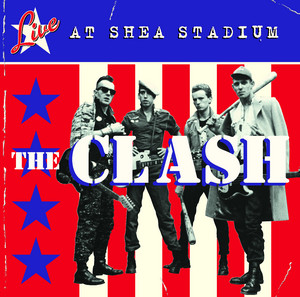
Though <a href="spotify:artist:2A09V0kHlETOFfT8Hz8oba">Strummer</a> and <a href="spotify:artist:62bYKAZ5EdmG5Aca9dtVan">Simonon</a> were both quiet and <a href="spotify:artist:6QFIIkwi4R2erQsIp0TDSb">Jones</a> was busy with various incarnations of <a href="spotify:artist:7hqZBHSgDs1odG9aupMzEI">Big Audio Dynamite</a>, rumors of a reunion continued to circulate throughout the '90s. When "Should I Stay or Should I Go?" appeared in a Levi's television commercial in 1992, the song was re-released in the U.K. by <a href="spotify:search:label%3A%22CBS%22">CBS</a>, and it shot to number one, fueling even more reunion speculation. The rumors appeared again in 1995 and 1996, when <a href="spotify:artist:1u7kkVrr14iBvrpYnZILJR">the Sex Pistols</a> decided to reunite, but the Clash remained quiet. Live: From Here to Eternity, assembling material recorded between 1978 and 1982, was released in 1999, shortly followed by the documentary film Westway to the World! The Clash were elected for induction into the Rock & Roll Hall of Fame in November 2002 and were making plans to reunite to commemorate the event that following spring when <a href="spotify:artist:2A09V0kHlETOFfT8Hz8oba">Strummer</a> suddenly died from a congenital heart defect on December 22, 2002. In the wake of his passing, the remaining members of the band attended the induction ceremony in March of 2003, then quietly tabled any plans for a reunion.
Over the next decade, both <a href="spotify:artist:6QFIIkwi4R2erQsIp0TDSb">Jones</a> and <a href="spotify:artist:62bYKAZ5EdmG5Aca9dtVan">Simonon</a> were musically active. <a href="spotify:artist:6QFIIkwi4R2erQsIp0TDSb">Jones</a> produced both albums by the acclaimed rock group <a href="spotify:artist:4fSPtBgFPZzygkY6MehwQ7">the Libertines</a> -- who themselves bore a distinct debt to the Clash -- and <a href="spotify:artist:62bYKAZ5EdmG5Aca9dtVan">Simonon</a> teamed with <a href="spotify:artist:7MhMgCo0Bl0Kukl93PZbYS">Blur</a>'s <a href="spotify:artist:0O98jlCaPzvsoei6U5jfEL">Damon Albarn</a> for the 2007 band <a href="spotify:artist:6iy8nrBbtL57i4eUttHTww">The Good, The Bad & The Queen</a>. This project led to a <a href="spotify:artist:6QFIIkwi4R2erQsIp0TDSb">Jones</a> and <a href="spotify:artist:62bYKAZ5EdmG5Aca9dtVan">Simonon</a> reunion under the auspices of <a href="spotify:artist:0O98jlCaPzvsoei6U5jfEL">Albarn</a>'s group <a href="spotify:artist:3AA28KZvwAUcZuOKwyblJQ">Gorillaz</a>; the pair both performed on the 2010 album Plastic Beach and they both appeared on the supporting tour, marking the first time they'd shared the stage since the Clash.
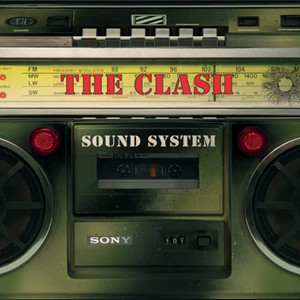
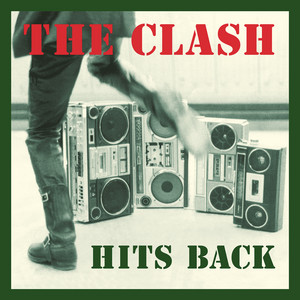
In 2013, the group released a major archival project called Sound System containing new remasters of the band's first five albums, three additional CDs of rarities, singles, and demos, plus a DVD. Along with the box set came a new compilation called The Clash Hits Back, which mimicked the sequence of their July 19, 1982 set list at the Brixton Fair Deal. Things were quiet on the reissue front until the 2022 release of Combat Rock: The People's Hall Special Edition, which added a bonus disc of tracks that included a handful from the rejected <a href="spotify:artist:6QFIIkwi4R2erQsIp0TDSb">Mick Jones</a> "Rat Patrol from Fort Bragg" mix of the album. ~ Stephen Thomas Erlewine, Rovi
For a band that constantly sang about revolution and the working class, the Clash had surprisingly traditional roots. <a href="spotify:artist:2A09V0kHlETOFfT8Hz8oba">Joe Strummer</a> had spent most of his childhood in boarding school. By the time he was in his early twenties, he had busked on the streets of London and had formed a pub rock band called <a href="spotify:artist:75s7RfViwIXirjnRYkZWPe">the 101'ers</a>. Around the same time, <a href="spotify:artist:6QFIIkwi4R2erQsIp0TDSb">Mick Jones</a> was leading a hard rock group called the London SS. Unlike <a href="spotify:artist:2A09V0kHlETOFfT8Hz8oba">Strummer</a>, <a href="spotify:artist:6QFIIkwi4R2erQsIp0TDSb">Jones</a> came from a working-class background in Brixton. Throughout his teens, he was fascinated with rock & roll, and he had formed the London SS with the intent of replicating the hard-driving sound of <a href="spotify:artist:6ysQi6NI88X627t2srsWz6">Mott the Hoople</a> and <a href="spotify:artist:3v4feUQnU3VEUqFrjmtekL">Faces</a>. <a href="spotify:artist:6QFIIkwi4R2erQsIp0TDSb">Jones</a>' childhood friend <a href="spotify:artist:62bYKAZ5EdmG5Aca9dtVan">Paul Simonon</a> joined the group as a bassist in 1976 after hearing the <a href="spotify:artist:1u7kkVrr14iBvrpYnZILJR">Sex Pistols</a>; he replaced <a href="spotify:artist:7qLiVFiF7qR2cYynxyv7pv">Tony James</a>, who would later join <a href="spotify:artist:1inWec2E2UgfzMAhwjgTXe">Generation X</a> and <a href="spotify:artist:6GKVXdXGEOPzpilArcqBun">Sigue Sigue Sputnik</a>. At the time, the band also featured drummer Tory Crimes, who had recently replaced Topper Headon. After witnessing <a href="spotify:artist:1u7kkVrr14iBvrpYnZILJR">the Sex Pistols</a> in concert, <a href="spotify:artist:2A09V0kHlETOFfT8Hz8oba">Joe Strummer</a> decided to break up <a href="spotify:artist:75s7RfViwIXirjnRYkZWPe">the 101'ers</a> in early 1976 in order to pursue a new, harder-edged musical direction. He left the band just before their first single, "Keys to Your Heart," was released. Along with fellow <a href="spotify:artist:75s7RfViwIXirjnRYkZWPe">101'er</a> guitarist <a href="spotify:artist:18dpDwVQHRruFad7SBmFQc">Keith Levene</a>, <a href="spotify:artist:2A09V0kHlETOFfT8Hz8oba">Strummer</a> joined the revamped London SS, now renamed the Clash.
The Clash performed its first concert in the summer of 1976, supporting <a href="spotify:artist:1u7kkVrr14iBvrpYnZILJR">the Sex Pistols</a> in London. <a href="spotify:artist:18dpDwVQHRruFad7SBmFQc">Levene</a> left the band shortly afterward. Hiring Bernard Rhodes -- a former business associate of <a href="spotify:artist:1u7kkVrr14iBvrpYnZILJR">Sex Pistols</a> manager <a href="spotify:artist:4ihCM8I0fpWodgjo0mTlhZ">Malcolm McLaren</a> -- as their manager, the Clash set out on <a href="spotify:artist:1u7kkVrr14iBvrpYnZILJR">the Pistols</a>' notorious Anarchy Tour late in 1976. Though only three concerts were performed, it nevertheless raised the Clash's profile and the band secured a record contract in February of 1977 with British <a href="spotify:search:label%3A%22CBS%22">CBS</a>. Over the course of three weekends, they recorded their debut album. Once the sessions were completed, Terry Chimes left the group, and Headon came aboard as the band's drummer. In the spring, the Clash's first single, "White Riot," and eponymous debut album were released to great critical acclaim and sales in the U.K., peaking at number 12 on the charts. The American division of <a href="spotify:search:label%3A%22CBS%22">CBS</a> thought The Clash wasn't fit for radio play, so it decided not to release the album. The import of the record became the largest-selling import of all time. Shortly after the U.K. release of The Clash, the band set out on the whirlwind White Riot tour supported by <a href="spotify:artist:66U6cJ3kDBat0jS42Jkp9q">the Jam</a> and <a href="spotify:artist:2DxlS3lTLFIq70S7ap5H3y">the Buzzcocks</a>; the tour was highlighted by a date at London's Rainbow Theatre, where the audience tore the seats out of the venue. During the White Riot tour, <a href="spotify:search:label%3A%22CBS%22">CBS</a> pulled "Remote Control" off the album as a single, and as a response, the Clash recorded "Complete Control" with reggae icon <a href="spotify:artist:1TsG4AumsMt1Tcq2nHpov9">Lee "Scratch" Perry</a>.
Throughout 1977, <a href="spotify:artist:2A09V0kHlETOFfT8Hz8oba">Strummer</a> and <a href="spotify:artist:6QFIIkwi4R2erQsIp0TDSb">Jones</a> were in and out of jail for myriad minor indiscretions, ranging from vandalism to stealing a pillowcase, while <a href="spotify:artist:62bYKAZ5EdmG5Aca9dtVan">Simonon</a> and Headon were arrested for shooting racing pigeons with an air gun. The Clash's outlaw image was bolstered considerably by such events, but the band also began to branch out into social activism, such as headlining a Rock Against Racism concert. Released in the summer of 1978, the single "(White Man) In Hammersmith Palais" demonstrated the band's growing social consciousness. Shortly after the single peaked at number 32, the Clash began working on their second album with producer Sandy Pearlman, a former member of <a href="spotify:artist:00tVTdpEhQQw1bqdu8RCx2">Blue Öyster Cult</a>. Pearlman gave Give 'Em Enough Rope a clean but powerful sound designed to break the American market. While that didn't happen -- the album peaked at 128 on the U.S. charts in the spring of 1979 -- the record became an enormous hit in Britain, debuting at number two on the charts.
Early in 1979, the Clash began their first American tour, calling it "Pearl Harbor '79." That summer, the band released the U.K.-only EP The Cost of Living, which featured a cover of <a href="spotify:artist:5XoM6cP8fQykllfuK5V5TR">the Bobby Fuller Four</a>'s "I Fought the Law." Following the later summer release of The Clash in America, the group set out on its second U.S. tour, hiring Mickey Gallagher of <a href="spotify:artist:7r993rArgKraCkh8w4Wszl">Ian Dury's Blockheads</a> as a keyboardist. On both of their U.S. tours, the Clash had R&B acts like <a href="spotify:artist:2bmixwMZXlkl2sbIbOfviq">Bo Diddley</a>, <a href="spotify:artist:2BVYdY4PyfCF9z4NrkhEB2">Sam & Dave</a>, <a href="spotify:artist:0En4EEcDMJ5kaUCf1aZ9js">Lee Dorsey</a>, and <a href="spotify:artist:3VBpsrUi2vV7Uj87ONHu7Z">Screamin' Jay Hawkins</a> support them, as well as neo-traditionalist country-rocker <a href="spotify:artist:388Y4nUQbYSyonhNlBEypT">Joe Ely</a> and the punk rockabilly band <a href="spotify:artist:4lYtGx5NZQJHsMyhHc5iz3">the Cramps</a>. The choice of supporting acts indicated that the Clash were becoming fascinated with older rock & roll and all of its legends. That fascination became the driving force behind their breakthrough double album, London Calling. Produced by Guy Stevens, who'd formerly worked with <a href="spotify:artist:6ysQi6NI88X627t2srsWz6">Mott the Hoople</a>, London Calling boasted an array of styles, ranging from rockabilly and New Orleans R&B to anthemic hard rock and reggae. Retailing at the price of a single album, the record debuted at number nine on the U.K. charts in late 1979 and climbed to number 27 on the U.S. charts in the spring of 1980.
The Clash successfully toured the U.S., the U.K., and Europe in early 1980, during which time the pseudo-documentary Rude Boy was released in England. During the summer, the band released the Dutch-only, dub-inflected single "Bankrobber," which they recorded with DJ <a href="spotify:artist:6xKQ3GOnt3gjzja4IcLyg4">Mikey Dread</a>; by the fall, the British branch of <a href="spotify:search:label%3A%22CBS%22">CBS</a> was forced to release the single due to popular demand. Shortly afterward, the band went to New York to begin the tension-filled, self-produced sessions for their follow-up to London Calling. In November, a U.S.-only EP of odds and ends entitled Black Market Clash was released. The following month, the triple-record set Sandinista! appeared in the U.K. and the U.S. The critical reaction to the album was decidedly mixed, with American critics reacting more favorably than their British counterparts. Furthermore, the band's audience in the U.K. was shrinking slightly -- Sandinista! was the first record the group released that sold more copies in the U.S. than the U.K.
After spending much of 1981 touring and resting, the Clash reconvened late in the year to record their fifth album with producer Glyn Johns, a former engineer/producer for <a href="spotify:artist:22bE4uQ6baNwSHPVcDxLCe">the Rolling Stones</a> and <a href="spotify:artist:36QJpDe2go2KgaRleHCDTp">Led Zeppelin</a>. Headon left the band shortly after the sessions finished; the press statement said he parted with the group due to political differences, but it was later revealed that the split was due to his heavy drug use. Headon was replaced with their old drummer, Terry Chimes, around the spring release of Combat Rock. The album was the Clash's most commercially successful effort, entering the U.K. charts at number two and climbing into the American Top Ten in early 1983, thanks to the Top Ten hit single "Rock the Casbah." During the fall of 1982, the Clash opened for <a href="spotify:artist:67ea9eGLXYMsO2eYQRui3w">the Who</a> on their farewell tour. Though the tour helped Combat Rock scale the U.S. charts, the Clash were routinely booed off the stage on every date of the tour.
Although the Clash were at the height of their commercial powers in 1983, they were beginning fall apart. Chimes was fired in the spring and replaced by Pete Howard, formerly of Cold Fish. During the summer, the band headlined the U.S. Festival in California; it would be their last major appearance. In September, <a href="spotify:artist:2A09V0kHlETOFfT8Hz8oba">Joe Strummer</a> and <a href="spotify:artist:62bYKAZ5EdmG5Aca9dtVan">Paul Simonon</a> fired <a href="spotify:artist:6QFIIkwi4R2erQsIp0TDSb">Mick Jones</a> because he "drifted apart from the original idea of the Clash." <a href="spotify:artist:6QFIIkwi4R2erQsIp0TDSb">Jones</a> formed <a href="spotify:artist:7hqZBHSgDs1odG9aupMzEI">Big Audio Dynamite</a> the following year, while the Clash hired guitarists Vince White and <a href="spotify:artist:5YIlRo3qv10N4YjLl4s3Io">Nick Sheppard</a> to fill his vacancy. Throughout 1984, the band toured America and Europe, testing the new lineup. The revamped Clash finally released their first album, Cut the Crap, in November. The album was greeted with overwhelmingly poor reviews and sales; it would later be disowned by <a href="spotify:artist:2A09V0kHlETOFfT8Hz8oba">Strummer</a> and <a href="spotify:artist:62bYKAZ5EdmG5Aca9dtVan">Simonon</a>.
Early in 1986, <a href="spotify:artist:2A09V0kHlETOFfT8Hz8oba">Strummer</a> and <a href="spotify:artist:62bYKAZ5EdmG5Aca9dtVan">Simonon</a> decided to permanently disband the Clash. Several years later, <a href="spotify:artist:62bYKAZ5EdmG5Aca9dtVan">Simonon</a> formed the roots rock band <a href="spotify:artist:5LMqGAPnXjYBwv4CmaWQTG">Havana 3 A.M.</a>, which released only one album, in 1991; following the record's release, he concentrated on painting. After reuniting with <a href="spotify:artist:6QFIIkwi4R2erQsIp0TDSb">Jones</a> to write songs for <a href="spotify:artist:7hqZBHSgDs1odG9aupMzEI">Big Audio Dynamite</a>'s second album, 1986's No. 10 Upping Street, <a href="spotify:artist:2A09V0kHlETOFfT8Hz8oba">Strummer</a> drifted between a musical and film career, appearing in Alex Cox's Straight to Hell (1986) and <a href="spotify:artist:7uwCnAgRDUzftIAkJDFfdy">Jim Jarmusch</a>'s Mystery Train (1989). He also scored Permanent Record (1988) and Cox's Walker (1987). <a href="spotify:artist:2A09V0kHlETOFfT8Hz8oba">Strummer</a> released a solo album, Earthquake Weather, in 1989. Shortly afterward, he joined <a href="spotify:artist:2wzMOQwNT6ZvVB4amvhFAH">the Pogues</a> as a touring rhythm guitarist and vocalist. By 1991, he had quietly drifted away from the spotlight. For the remainder of the decade, <a href="spotify:artist:2A09V0kHlETOFfT8Hz8oba">Strummer</a> was quiet, appearing on only one other recording -- <a href="spotify:artist:147FGf3bdxV1L0mmVtgaJR">Black Grape</a>'s 1996 Top Ten hit "England's Irie."
Though <a href="spotify:artist:2A09V0kHlETOFfT8Hz8oba">Strummer</a> and <a href="spotify:artist:62bYKAZ5EdmG5Aca9dtVan">Simonon</a> were both quiet and <a href="spotify:artist:6QFIIkwi4R2erQsIp0TDSb">Jones</a> was busy with various incarnations of <a href="spotify:artist:7hqZBHSgDs1odG9aupMzEI">Big Audio Dynamite</a>, rumors of a reunion continued to circulate throughout the '90s. When "Should I Stay or Should I Go?" appeared in a Levi's television commercial in 1992, the song was re-released in the U.K. by <a href="spotify:search:label%3A%22CBS%22">CBS</a>, and it shot to number one, fueling even more reunion speculation. The rumors appeared again in 1995 and 1996, when <a href="spotify:artist:1u7kkVrr14iBvrpYnZILJR">the Sex Pistols</a> decided to reunite, but the Clash remained quiet. Live: From Here to Eternity, assembling material recorded between 1978 and 1982, was released in 1999, shortly followed by the documentary film Westway to the World! The Clash were elected for induction into the Rock & Roll Hall of Fame in November 2002 and were making plans to reunite to commemorate the event that following spring when <a href="spotify:artist:2A09V0kHlETOFfT8Hz8oba">Strummer</a> suddenly died from a congenital heart defect on December 22, 2002. In the wake of his passing, the remaining members of the band attended the induction ceremony in March of 2003, then quietly tabled any plans for a reunion.
Over the next decade, both <a href="spotify:artist:6QFIIkwi4R2erQsIp0TDSb">Jones</a> and <a href="spotify:artist:62bYKAZ5EdmG5Aca9dtVan">Simonon</a> were musically active. <a href="spotify:artist:6QFIIkwi4R2erQsIp0TDSb">Jones</a> produced both albums by the acclaimed rock group <a href="spotify:artist:4fSPtBgFPZzygkY6MehwQ7">the Libertines</a> -- who themselves bore a distinct debt to the Clash -- and <a href="spotify:artist:62bYKAZ5EdmG5Aca9dtVan">Simonon</a> teamed with <a href="spotify:artist:7MhMgCo0Bl0Kukl93PZbYS">Blur</a>'s <a href="spotify:artist:0O98jlCaPzvsoei6U5jfEL">Damon Albarn</a> for the 2007 band <a href="spotify:artist:6iy8nrBbtL57i4eUttHTww">The Good, The Bad & The Queen</a>. This project led to a <a href="spotify:artist:6QFIIkwi4R2erQsIp0TDSb">Jones</a> and <a href="spotify:artist:62bYKAZ5EdmG5Aca9dtVan">Simonon</a> reunion under the auspices of <a href="spotify:artist:0O98jlCaPzvsoei6U5jfEL">Albarn</a>'s group <a href="spotify:artist:3AA28KZvwAUcZuOKwyblJQ">Gorillaz</a>; the pair both performed on the 2010 album Plastic Beach and they both appeared on the supporting tour, marking the first time they'd shared the stage since the Clash.
In 2013, the group released a major archival project called Sound System containing new remasters of the band's first five albums, three additional CDs of rarities, singles, and demos, plus a DVD. Along with the box set came a new compilation called The Clash Hits Back, which mimicked the sequence of their July 19, 1982 set list at the Brixton Fair Deal. Things were quiet on the reissue front until the 2022 release of Combat Rock: The People's Hall Special Edition, which added a bonus disc of tracks that included a handful from the rejected <a href="spotify:artist:6QFIIkwi4R2erQsIp0TDSb">Mick Jones</a> "Rat Patrol from Fort Bragg" mix of the album. ~ Stephen Thomas Erlewine, Rovi
Monthly Listeners
14.8 million
Monthly Listeners History
Track the evolution of monthly listeners over the last 28 days.
Followers
3.6 million
Followers History
Track the evolution of followers over the last 28 days.
Total Streams
6.7 billion
Total Streams History
Track the evolution of total streams over the last 28 days. This data is calculated from all tracks listed in the artist's discography.
Top Cities

Related Artists


The Animals