Data may be outdated
Last updated: 9 months ago — Click refresh to get the latest statistics.
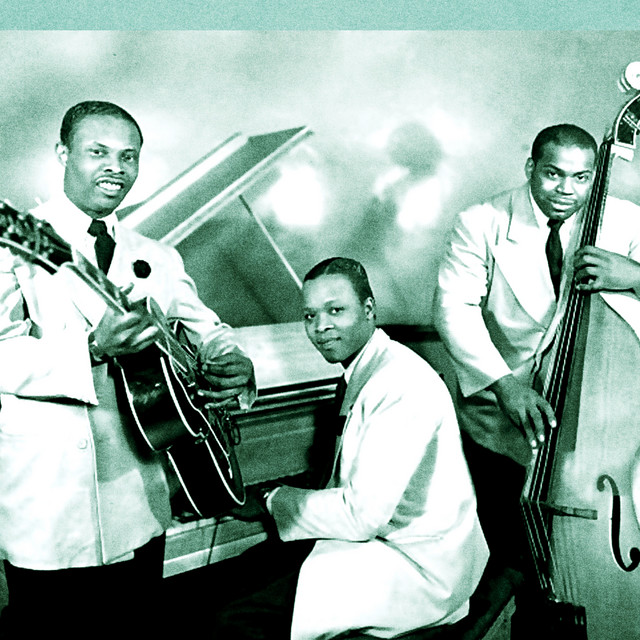
For the legendary <a href="spotify:artist:5v8WPpMk60cqZbuZLdXjKY">Willie Dixon</a>, the Big Three Trio was an important launching pad for a fantastic career. Pianist <a href="spotify:artist:2AWxtGHxzDeuzMU5UisOSY">Leonard "Baby Doo" Caston</a> and guitarist Bernardo Dennis (replaced after a year by Ollie Crawford) joined upright bassist <a href="spotify:artist:5v8WPpMk60cqZbuZLdXjKY">Dixon</a> to form the popular trio in 1946. <a href="spotify:artist:2AWxtGHxzDeuzMU5UisOSY">Caston</a> was just out of the service (where he'd played on U.S.O. tours during World War II); <a href="spotify:artist:5v8WPpMk60cqZbuZLdXjKY">Dixon</a> had been a conscientious objector. <a href="spotify:artist:5v8WPpMk60cqZbuZLdXjKY">Dixon</a> had previously worked with <a href="spotify:artist:2AWxtGHxzDeuzMU5UisOSY">Caston</a> in the Five Breezes and with Dennis in the Four Jumps of Jive.
Sharing vocal (they specialized in three-part harmonies) and writing duties democratically, the trio signed with Jim Bullet's Bullet imprint in 1946 for a solitary session before making a giant jump in stature to Columbia Records in 1947. Their polished, pop-oriented presentation resulted in one national hit, "You Sure Look Good to Me," in 1948, and a slew of other releases that stretched into 1952 (toward the end, they were shuttled over to the less prestigious OKeh subsidiary).
Incidentally, <a href="spotify:artist:5v8WPpMk60cqZbuZLdXjKY">Dixon</a> dusted off two songs the trio waxed for OKeh, "Violent Love" and "My Love Will Never Die," and handed them to <a href="spotify:artist:1h0hOL3bVcYlg4xcSjU7fP">Otis Rush</a> a few years later when the bassist was working as a producer at Eli Toscano's Cobra Records. <a href="spotify:artist:1h0hOL3bVcYlg4xcSjU7fP">Rush</a>'s tortured "My Love Will Never Die" was a postwar masterpiece; the corny "Violent Love" may be the worst thing the southpaw guitarist ever committed to tape.
<a href="spotify:artist:2AWxtGHxzDeuzMU5UisOSY">Caston</a> split at the end of 1952, effectively breaking up the trio. But <a href="spotify:artist:5v8WPpMk60cqZbuZLdXjKY">Dixon</a>'s destiny was at Chess Records, where he was already making inroads as a session bassist and songwriter. Pretty soon, he'd be recognized as one of the most prolific and invaluable figures on the Windy City scene. ~ Bill Dahl, Rovi
Sharing vocal (they specialized in three-part harmonies) and writing duties democratically, the trio signed with Jim Bullet's Bullet imprint in 1946 for a solitary session before making a giant jump in stature to Columbia Records in 1947. Their polished, pop-oriented presentation resulted in one national hit, "You Sure Look Good to Me," in 1948, and a slew of other releases that stretched into 1952 (toward the end, they were shuttled over to the less prestigious OKeh subsidiary).
Incidentally, <a href="spotify:artist:5v8WPpMk60cqZbuZLdXjKY">Dixon</a> dusted off two songs the trio waxed for OKeh, "Violent Love" and "My Love Will Never Die," and handed them to <a href="spotify:artist:1h0hOL3bVcYlg4xcSjU7fP">Otis Rush</a> a few years later when the bassist was working as a producer at Eli Toscano's Cobra Records. <a href="spotify:artist:1h0hOL3bVcYlg4xcSjU7fP">Rush</a>'s tortured "My Love Will Never Die" was a postwar masterpiece; the corny "Violent Love" may be the worst thing the southpaw guitarist ever committed to tape.
<a href="spotify:artist:2AWxtGHxzDeuzMU5UisOSY">Caston</a> split at the end of 1952, effectively breaking up the trio. But <a href="spotify:artist:5v8WPpMk60cqZbuZLdXjKY">Dixon</a>'s destiny was at Chess Records, where he was already making inroads as a session bassist and songwriter. Pretty soon, he'd be recognized as one of the most prolific and invaluable figures on the Windy City scene. ~ Bill Dahl, Rovi
Monthly Listeners
2,116
Monthly Listeners History
Track the evolution of monthly listeners over the last 28 days.
Followers
850
Followers History
Track the evolution of followers over the last 28 days.
Top Cities


Related Artists







Little George Smith

Sticks McGhee

Juke Boy Bonner


JUNIOR WELLS' CHICAGO BLUES BAND

Peter Gaudion's Blues Express

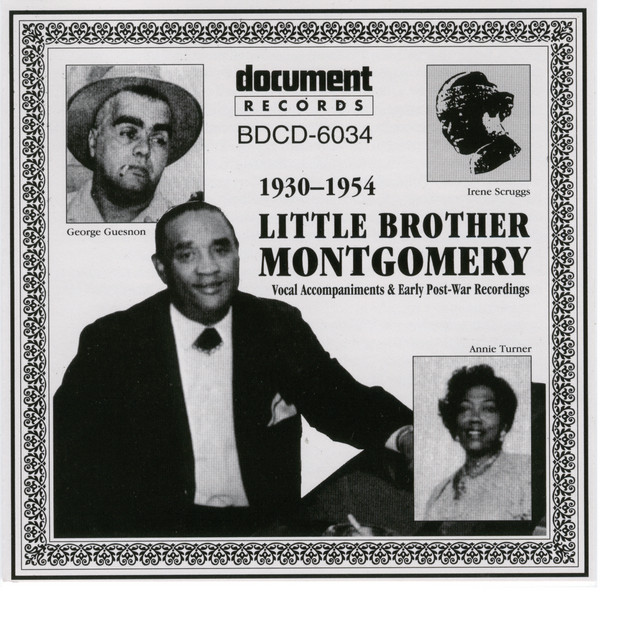
Little Brother Montgomery