Data may be outdated
Last updated: 1 month ago — Click refresh to get the latest statistics.
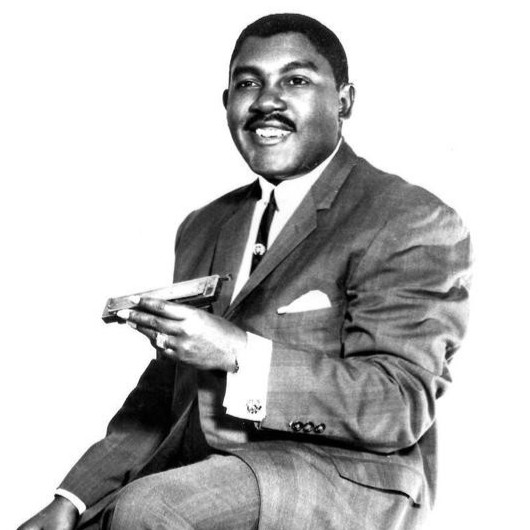
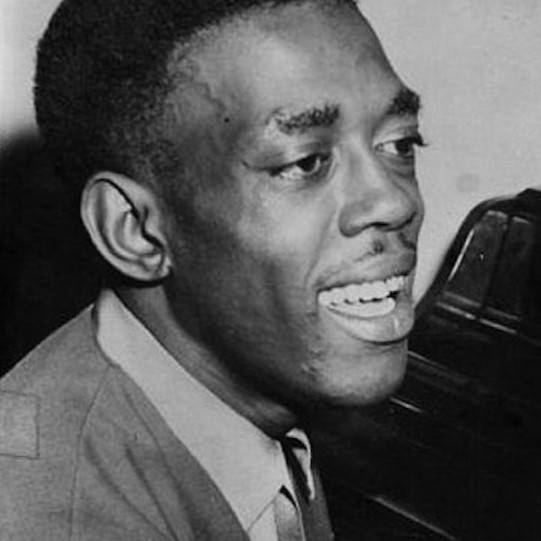
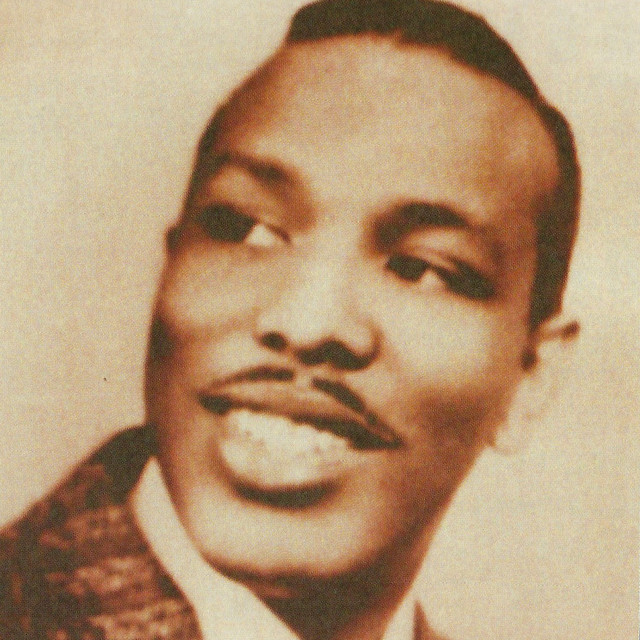
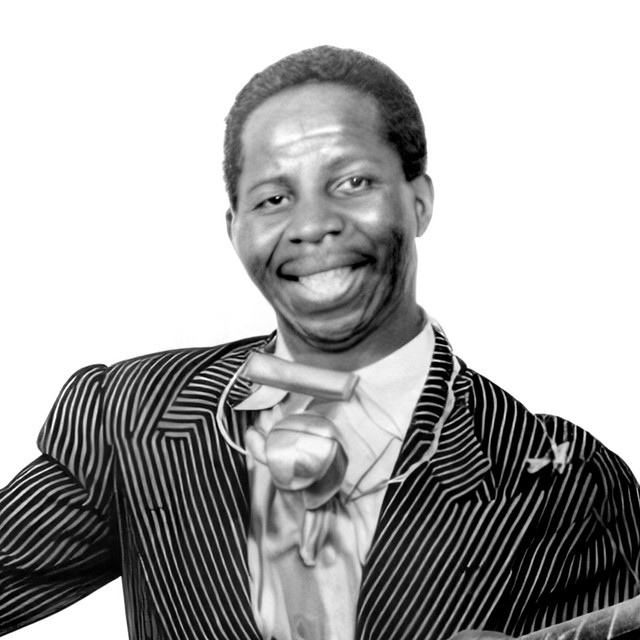
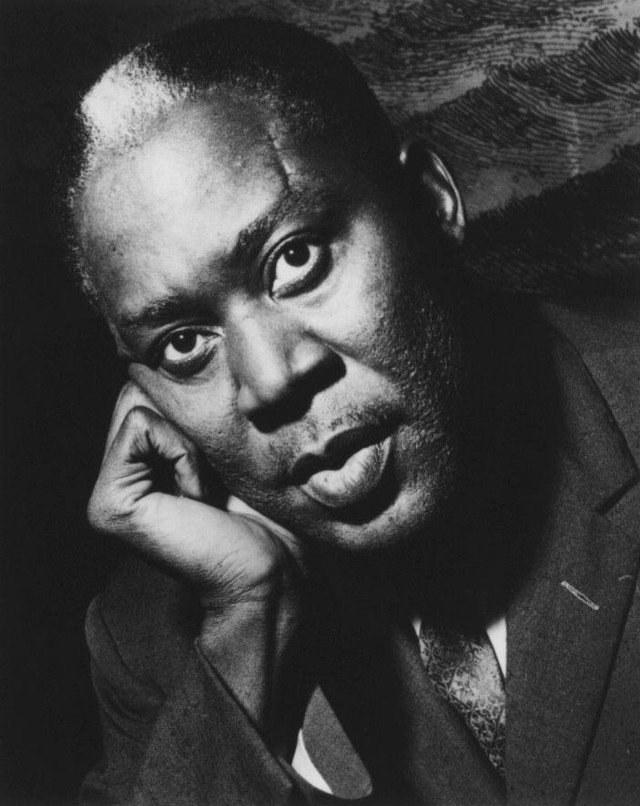
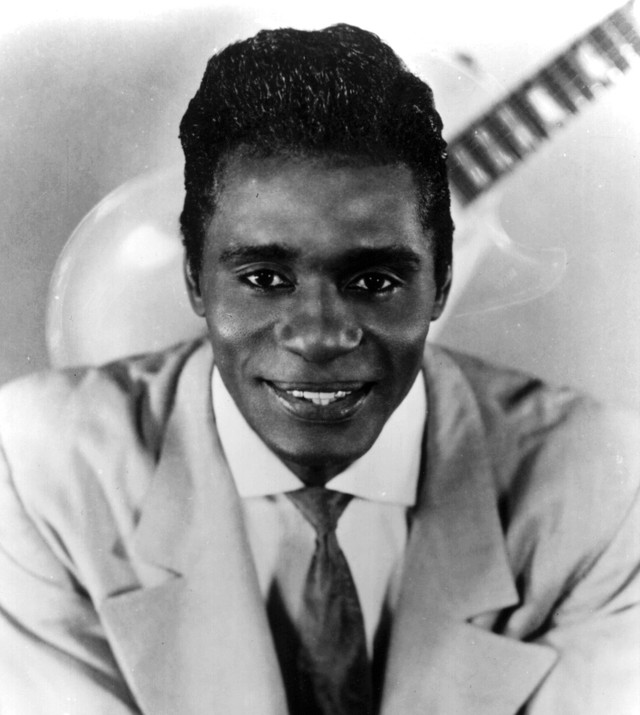
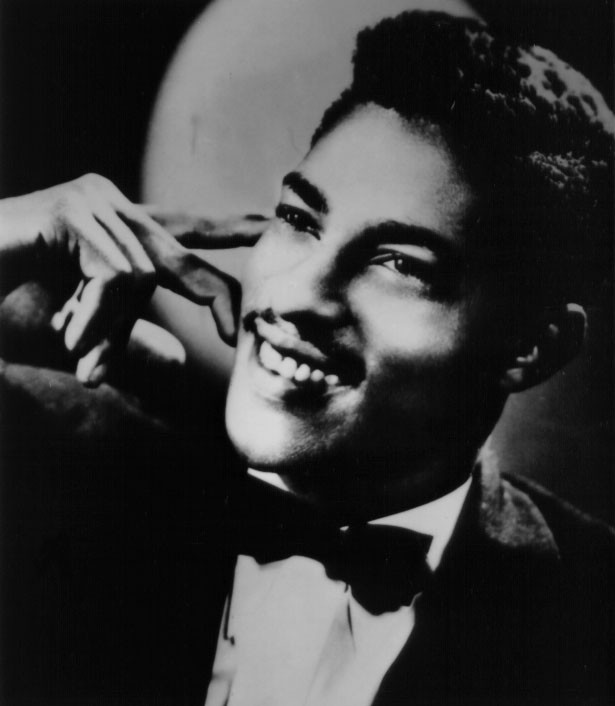
But Mabon's asking price for a night's work rose dramatically when his 1952 debut release on powerful Windy City DJ <a href="spotify:artist:5uE2DqZyBBM2fOqVTXq3HT">Al Benson</a>'s <a href="spotify:search:label%3A%22Parrot%22">Parrot</a> logo, "I Don't Know," topped the R&B charts for eight weeks after being sold to <a href="spotify:search:label%3A%22Chess%22">Chess</a>. From then on, Mabon was a <a href="spotify:search:label%3A%22Chess%22">Chess</a> artist, returning to the top R&B slot the next year with the ominous "I'm Mad" and cracking the Top Ten anew with the Mel London-penned "Poison Ivy" in 1954. Throughout his <a href="spotify:search:label%3A%22Chess%22">Chess</a> tenure, piano and sax were consistently to the fore rather than guitar and harp, emphasizing Mabon's cool R&B approach. His original version of <a href="spotify:artist:5v8WPpMk60cqZbuZLdXjKY">Willie Dixon</a>'s hoodoo-driven "The Seventh Son" bombed in 1955, as did the remainder of his fine <a href="spotify:search:label%3A%22Chess%22">Chess</a> catalog. Mabon never regained his momentum after leaving <a href="spotify:search:label%3A%22Chess%22">Chess</a>. He stopped at <a href="spotify:search:label%3A%22Federal%22">Federal</a> in 1957, <a href="spotify:search:label%3A%22Mad%22">Mad</a> in 1960, Formal in 1962 (where he stirred up some local sales with his leering "Got to Have Some"), and <a href="spotify:search:label%3A%22USA%22">USA</a> in 1963-1964. Mabon sat out much of the late '60s but came back strong after moving to Paris in 1972, recording and touring Europe prolifically until his death. ~ Bill Dahl, Rovi
Monthly Listeners
4,966
Monthly Listeners History
Track the evolution of monthly listeners over the last 28 days.
Followers
3,960
Followers History
Track the evolution of followers over the last 28 days.
Total Streams
4.8 million
Total Streams History
Track the evolution of total streams over the last 28 days. This data is calculated from all tracks listed in the artist's discography.