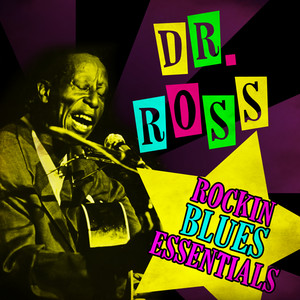
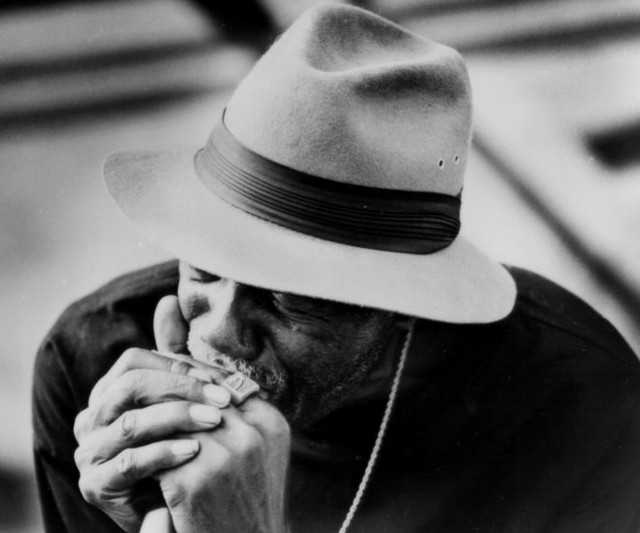
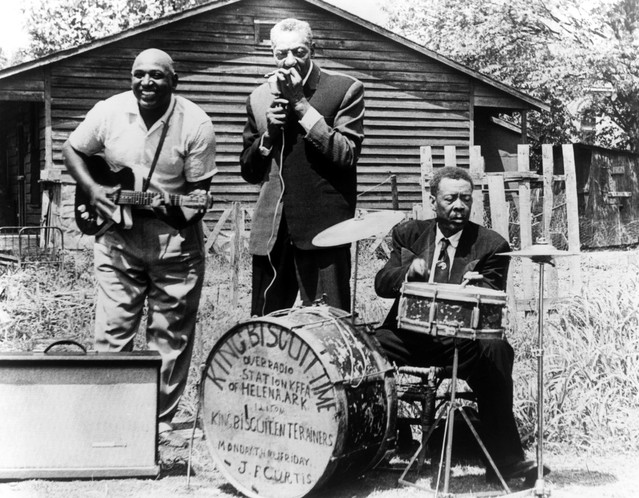
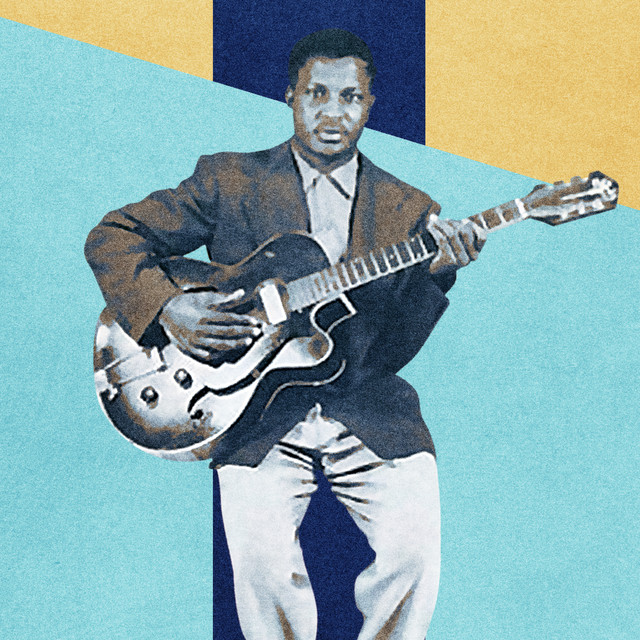
Isaiah "Doc" Ross was a throwback to a bygone era; a true one-man band, he played harmonica, acoustic guitar, bass drum, and hi-hat simultaneously, creating a mighty racket harking back to the itinerant country-blues players wandering the Delta region during the earlier years of the 20th century. Born Charles Isaiah Ross on October 21, 1925 in Tunica, Mississippi, he took early inspiration from the music of <a href="spotify:artist:0f8MDDzIc6M4uH1xH0o0gy">Robert Johnson</a>, <a href="spotify:artist:7mPFWoDGjh7ArW1yr79EX8">Blind Boy Fuller</a>, and <a href="spotify:artist:1qxTNsrSi4fNXVO0sbMsl4">Sonny Boy Williamson I</a>; primarily a harpist -- hence his nickname "The Harmonica Boss" -- he only added the other instruments in his arsenal in order to play a USO show while a member of the Army during World War II. (The "Doc" moniker was acquired because he carried his harmonicas in a doctor's bag.) Upon his release from the military, Ross settled in Memphis, where he became a popular club fixture as well as the host of his own radio show on station WDIA; during his club residency he was witness to a number of brutal murders, however, and swore off appearances in such venues during the later years of his life. During the early '50s, Ross recorded his first sides -- among them "Chicago Breakdown" -- for labels including <a href="spotify:search:label%3A%22Sun%22">Sun</a> and <a href="spotify:search:label%3A%22Chess%22">Chess</a>; in 1954 he settled in Flint, Michigan, where he went to work as a janitor for General Motors, a position he held until retiring. In 1965 he cut his first full-length LP, Call the Doctor, and that same year mounted his first European tour; as the years passed Ross performed live with decreasing frequency, however, and was infamous for backing out of shows to catch his beloved Detroit Tigers on television. Upon winning a Grammy for his 1981 album Rare Blues, he experienced a career resurgence, and played festival dates to great acclaim prior to his death on May 28, 1993. ~ Jason Ankeny, Rovi



























![Dr. Ross Boogie [1951 Version]](https://i.scdn.co/image/ab67616d00001e0265abb8b101cbc6d931811447)