Data may be outdated
Last updated: 7 months ago — Click refresh to get the latest statistics.
The Playboys were one of those odd groups that bridged the gap between the pop music of the early 1950s and the rock & roll of the late 1950s. Their roots go back to 1951, when athlete-turned-saxman Ray D'Agostino decided to form a band. With Phil Wing (later replaced by Lou Mauro) on drums, John Procopio (succeeded by Joe Franzosa) playing bass, Paul Coletti (succeeded by Irv Mellman) on piano, and D'Agostino (billed as Ray Dee), later joined by Ronnie James on guitar, and Sammy Vale as lead singer, they began working in the area around Philadelphia in the early 1950s. They mastered a style that was somewhere between small-group swing -- though they sounded bigger than four instruments -- and vocal pop, and found that there was enough work to keep them busy and solvent, especially if they were willing to travel. They got through the Korean War with a couple of personnel changes and managed to get enough gigs to survive and thrive, even making it to Las Vegas (where they crossed paths with <a href="spotify:artist:1drcMrZqfYsecBlwciiLDZ">the Treniers</a>), and over time absorbed elements of rhythm & blues into their sound. When rock & roll came along, they adopted it as well, extending themselves into the new musical style while never quite giving up their swing and pop roots. The group was signed to Cameo Records in 1958, and always seemed to be on the edge of cutting a hit -- their Cameo single "Over the Weekend" charted high in individual cities across the East Coast and into the Midwest without ever making a dent for the group nationally. They later cut sides for Martinique, United Artists, and other labels, and even tried getting aboard the "twist" bandwagon on Chancellor. The Playboys' sound was a mix of hot instrumental playing and vocalizing that ran from '40s pop to something close to rockabilly -- on their good days, they sounded like upscale rivals to Bill Haley & His Comets. The group split up in the mid-'60s, and to show just how contradictory they were for a band of that era, their guitar player jumped to a gig in <a href="spotify:artist:52lBOxCxbJg0ttXEW9CQpW">Louis Prima</a>'s band, before joining veteran rock & roll bandleader <a href="spotify:artist:6AUnyjBd08r0lqCS09ihZB">Mike Pedicin</a>. ~ Bruce Eder, Rovi
Monthly Listeners
1,219
Monthly Listeners History
Track the evolution of monthly listeners over the last 28 days.
Followers
543
Followers History
Track the evolution of followers over the last 28 days.
Top Cities
31 listeners
30 listeners
27 listeners

19 listeners
15 listeners
Related Artists
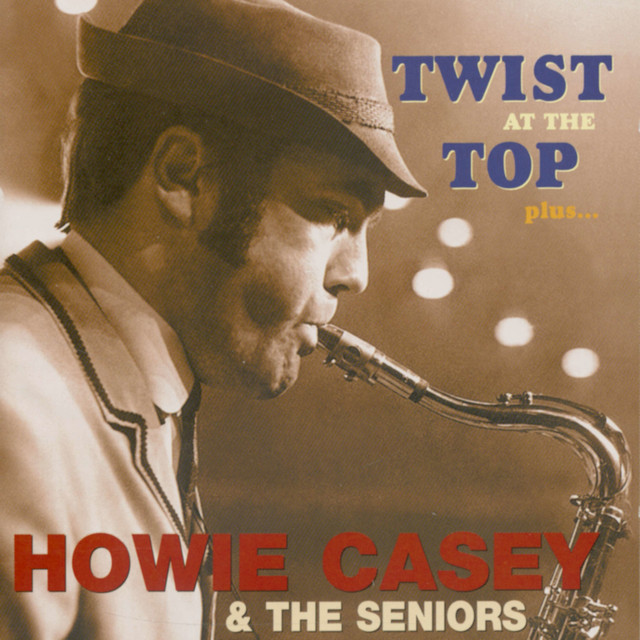
Howie Casey
Don And Dewey


Myron Lee & The Caddies


Paul Chaplain

Chuck Dallis
The Sparkles


Mel Hargus 'Pig' Robbins


Jo' Buddy's Trio Riot
John Ashley
Freddie Keil
The Daddy-O's

Bobby Wayne

Little Mac
Warren Miller

The Highlights