Data may be outdated
Last updated: 3 weeks ago — Click refresh to get the latest statistics.
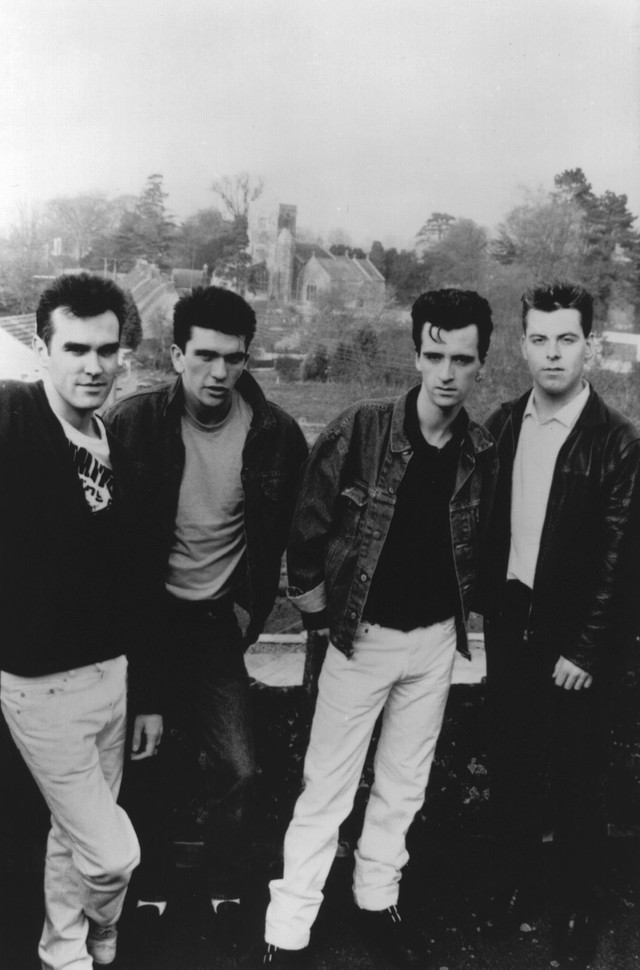
Before forming the Smiths in 1982, <a href="spotify:artist:2bA2YuQk2ID3PWNXUhQrWS">Johnny Marr</a> had played in a variety of Manchester-based rock & roll bands, including Sister Ray, Freaky Part, White Dice, and Paris Valentinos. On occasion, <a href="spotify:artist:2bA2YuQk2ID3PWNXUhQrWS">Marr</a> had come close to a record contract -- one of his bands won a competition <a href="spotify:search:label%3A%22Stiff+Records%22">Stiff Records</a> held to have <a href="spotify:artist:3BqaUtuQmqIHg7B5Bc7fP7">Nick Lowe</a> "produce your band" -- but he never quite made the leap. Though <a href="spotify:artist:3iTsJGG39nMg9YiolUgLMQ">Morrissey</a> had sung for a few weeks with the Nosebleeds and auditioned for <a href="spotify:artist:49gkczqXZrObph5J5yXf7r">Slaughter & the Dogs</a>, he had primarily contented himself with being a passionate, vocal fan of both music and film. During his teens, he wrote to Melody Maker frequently, often getting his letters published. He had written the biography/tribute James Dean Isn't Dead, which was published by the local Manchester publishing house Babylon Books in the late '70s, as well as another book on <a href="spotify:artist:0WhGV9lzljq2QKJ8ipw6jx">the New York Dolls</a>; he was also the president of the English <a href="spotify:artist:0WhGV9lzljq2QKJ8ipw6jx">New York Dolls</a> fan club. <a href="spotify:artist:3iTsJGG39nMg9YiolUgLMQ">Morrissey</a> met <a href="spotify:artist:2bA2YuQk2ID3PWNXUhQrWS">Marr</a>, who was then looking for a lyricist, through mutual friends in the spring of 1982. The pair began writing songs, eventually recording some demos with <a href="spotify:artist:6WoTvA9qinpHtSRJuldYh6">the Fall</a>'s drummer, Simon Wolstencroft. By the fall, the duo had settled on the name the Smiths and recruited <a href="spotify:artist:2bA2YuQk2ID3PWNXUhQrWS">Marr</a>'s schoolmate <a href="spotify:artist:78qMJ6ICiKRzdvfNClaj0h">Andy Rourke</a> as their bassist and Mike Joyce as their drummer.
The Smiths made their live debut late in 1982, and by the spring of 1983, the group had earned a small but loyal following in their hometown of Manchester and had begun to make inroads in London. Rejecting a record deal with the Mancunian Factory Records, the band signed with <a href="spotify:search:label%3A%22Rough+Trade%22">Rough Trade</a> for a one-off single, "Hand in Glove." With its veiled references to homosexuality and its ringing riffs, "Hand in Glove" became an underground sensation in the U.K., topping the independent charts and earning the praise of the U.K. music weeklies. Soon, <a href="spotify:artist:3iTsJGG39nMg9YiolUgLMQ">Morrissey</a>'s performances became notorious as he appeared on-stage wearing a hearing aid and with gladioli stuffed in his back pockets. His interviews were becoming famous for his forthright, often contrary opinions, which helped the band become a media sensation. By the time of the group's second single, "This Charming Man," in late 1983, the Smiths had already been the subject of controversy over "Reel Around the Fountain," a song that had been aired on a BBC radio session and was alleged to condone child abuse. It was the first time that <a href="spotify:artist:3iTsJGG39nMg9YiolUgLMQ">Morrissey</a>'s detached, literary, and ironic lyrics were misinterpreted, and it wouldn't be the last.
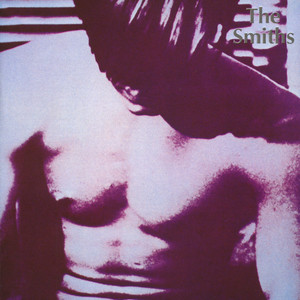
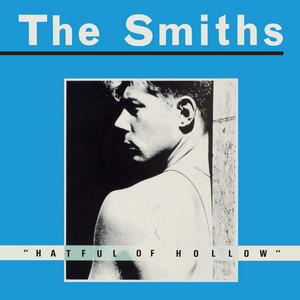
"This Charming Man" reached number 25 on the British charts in December of 1983, setting the stage for "What Difference Does It Make"'s peak at number 12 in February. The Smiths' rise to the upper reaches of the British charts was swift, and the passion of their fans, as well as the U.K. music press, indicated that the group had put an end to the synth-powered new wave that dominated Britain in the early '80s. After rejecting their initial stab at a first album, they released their debut, The Smiths, in the spring of 1984 to strong reviews and sales -- it peaked at number two. A few months later, the group backed '60s pop vocalist <a href="spotify:artist:5uxkcHbgyNbyzq1nyChvCa">Sandie Shaw</a> -- who <a href="spotify:artist:3iTsJGG39nMg9YiolUgLMQ">Morrissey</a> had publicly praised in an article -- on a version of "Hand in Glove" that was released and reached the Top 40. "Heaven Knows I'm Miserable Now" reached number ten, becoming their highest-charting single amid a storm of controversy about its B-side, "Suffer Little Children," which was about the notorious Moors Murders. More controversy arose when <a href="spotify:artist:3iTsJGG39nMg9YiolUgLMQ">Morrissey</a> denounced the hunger-relief efforts of <a href="spotify:artist:35S20clEkkSNUo23ViaslZ">Band Aid</a>, but the group's popularity was not affected. Though the Smiths had become the most popular new rock & roll group in Britain, they failed to make it outside of underground and college radio in the U.S., partially because they never launched a full-scale tour. At the end of the year, "William It Was Really Nothing" became a Top 20 hit and Hatful of Hollow, a collection of B-sides, BBC sessions, and non-LP singles, went to the Top Ten, followed shortly by "How Soon Is Now," which peaked at number 24.
Meat Is Murder, the band's second proper studio album, entered the British charts at number one in February of 1985, despite some criticism that it was weaker than The Smiths. Around the time of the release of Meat Is Murder, <a href="spotify:artist:3iTsJGG39nMg9YiolUgLMQ">Morrissey</a>'s interviews were becoming increasingly political as he trashed the Thatcher administration and campaigned for vegetarianism; he even claimed that the Smiths were all vegetarians, and he forbade the remaining members to be photographed eating meat, even though they were still carnivores. <a href="spotify:artist:2bA2YuQk2ID3PWNXUhQrWS">Marr</a>, for his part, was delving deeply into the rock & roll lifestyle and looked increasingly like a cross between <a href="spotify:artist:08avsqaGIlK2x3i2Cu7rKH">Keith Richards</a> and Brian Jones. By the time the non-LP "Shakespeare's Sister" reached number 26 in the spring of 1985, the Smiths had spawned a rash of soundalike bands, including <a href="spotify:artist:0qLNsNKm8bQcMoRFkR8Hmh">James</a>, who opened for the group on their spring 1985 tour, most of whom <a href="spotify:artist:3iTsJGG39nMg9YiolUgLMQ">Morrissey</a> supported. However, all of the media attention on the Smiths launched a mild backlash later in 1985, when "That Joke Isn't Funny Anymore" was pulled from Meat Is Murder and failed to reach the Top 40.
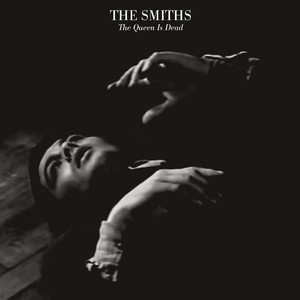
"The Boy with the Thorn in His Side" revived the band's fortunes in the fall of 1985, and their third album, The Queen Is Dead, confirmed their popularity upon its release in the spring of 1986. Greeted with enthusiastic reviews and peaking at number two on the U.K. charts, The Queen Is Dead also expanded their cult following in the U.S., cracking the Top 100. Shortly before the album was completed, former <a href="spotify:artist:7sbwBqdkynNUDgiWU3TQ5J">Aztec Camera</a> guitarist Craig Gannon became the band's rhythm guitarist, and he played with the band throughout their 1986 international tour, including a botched American tour. The non-LP "Panic," which was criticized as racist by some observers for its repeated refrain of "Burn down the disco...hang the DJ," reached number 11 late in the summer. A few months after its release, <a href="spotify:artist:2bA2YuQk2ID3PWNXUhQrWS">Marr</a> was seriously injured in a car crash. During his recuperation, Gannon was fired from the band, as was <a href="spotify:artist:78qMJ6ICiKRzdvfNClaj0h">Rourke</a>, who was suffering from heroin addiction. Though <a href="spotify:artist:78qMJ6ICiKRzdvfNClaj0h">Rourke</a> was later reinstated, Gannon was never replaced.
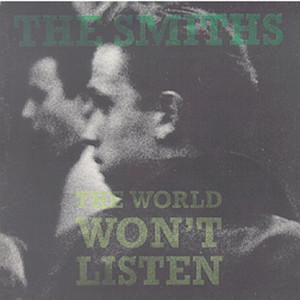
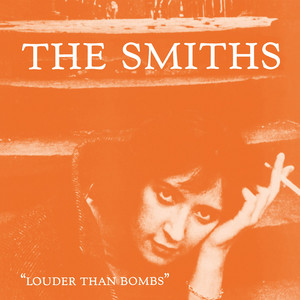
The Smiths may have been at the height of their popularity in early 1987, with the non-LP singles "Shoplifters of the World" and "Sheila Take a Bow" reaching number 11 and ten respectively, and the singles and B-sides compilation The World Won't Listen (revamped for U.S. release as Louder Than Bombs later in 1987) debuting at number two, but <a href="spotify:artist:2bA2YuQk2ID3PWNXUhQrWS">Marr</a> was growing increasingly disenchanted with the band and the music industry. Over the course of the year, <a href="spotify:artist:3iTsJGG39nMg9YiolUgLMQ">Morrissey</a> and <a href="spotify:artist:2bA2YuQk2ID3PWNXUhQrWS">Marr</a> became increasingly irritated with each other. The singer wished that <a href="spotify:artist:2bA2YuQk2ID3PWNXUhQrWS">Marr</a> would stop playing with other artists like <a href="spotify:artist:5RNFFojXkPRmlJZIwXeKQC">Bryan Ferry</a> and <a href="spotify:artist:5yXAFDZNUNyO92l5WTImkO">Billy Bragg</a>, while the guitarist was frustrated with <a href="spotify:artist:3iTsJGG39nMg9YiolUgLMQ">Morrissey</a>'s devotion to '60s pop and his hesitancy to explore new musical directions. A few weeks before the release of Strangeways, Here We Come, <a href="spotify:artist:2bA2YuQk2ID3PWNXUhQrWS">Marr</a> announced that he was leaving the Smiths. <a href="spotify:artist:3iTsJGG39nMg9YiolUgLMQ">Morrissey</a> disbanded the group shortly afterward and began a solo career, signing with <a href="spotify:search:label%3A%22Parlophone%22">Parlophone</a> in the U.K. and staying with the Smiths' U.S. label, <a href="spotify:search:label%3A%22Reprise%22">Reprise</a>. <a href="spotify:artist:2bA2YuQk2ID3PWNXUhQrWS">Marr</a> played as a sideman with a variety of artists, eventually forming <a href="spotify:artist:3xYNGCooNIzKMAtJYKSOyq">Electronic</a> with <a href="spotify:artist:0yNLKJebCb8Aueb54LYya3">New Order</a> frontman <a href="spotify:artist:0JLWCJW5fXlpK5FujWv1N3">Bernard Sumner</a>. <a href="spotify:artist:78qMJ6ICiKRzdvfNClaj0h">Rourke</a> retired from recording and Joyce became a member of the reunited <a href="spotify:artist:2DxlS3lTLFIq70S7ap5H3y">Buzzcocks</a> in 1991.
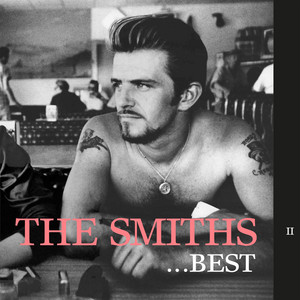
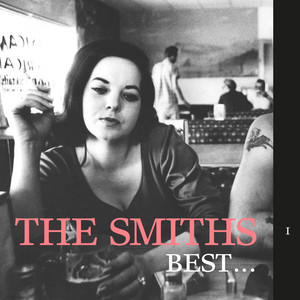
Rank, a live album recorded on the Queen Is Dead tour, was released in the fall of 1988. It debuted at number two in the U.K. A widely criticized, two-part The Best of the Smiths compilation was released in 1992; the praised Singles compilation was released in 1995. Joyce and <a href="spotify:artist:78qMJ6ICiKRzdvfNClaj0h">Rourke</a> sued <a href="spotify:artist:3iTsJGG39nMg9YiolUgLMQ">Morrissey</a> and <a href="spotify:artist:2bA2YuQk2ID3PWNXUhQrWS">Marr</a> in 1991, claiming they received only ten-percent of the group's earnings while the songwriters received 40-percent. <a href="spotify:artist:78qMJ6ICiKRzdvfNClaj0h">Rourke</a> eventually settled out of court, but Joyce won his case in late 1996. While the group remained estranged, in September 2022, <a href="spotify:artist:2bA2YuQk2ID3PWNXUhQrWS">Marr</a> performed at Madison Square Garden in New York City, with <a href="spotify:artist:78qMJ6ICiKRzdvfNClaj0h">Rourke</a> sitting in on bass. It would be one of <a href="spotify:artist:78qMJ6ICiKRzdvfNClaj0h">Andy Rourke</a>'s final public appearances; he died after a long bout with pancreatic cancer on May 19, 2023. ~ Stephen Thomas Erlewine, Rovi
Monthly Listeners
23.8 million
Monthly Listeners History
Track the evolution of monthly listeners over the last 28 days.
Followers
8.9 million
Followers History
Track the evolution of followers over the last 28 days.
Total Streams
8.9 billion
Total Streams History
Track the evolution of total streams over the last 28 days. This data is calculated from all tracks listed in the artist's discography.