Data may be outdated
Last updated: 9 months ago — Click refresh to get the latest statistics.
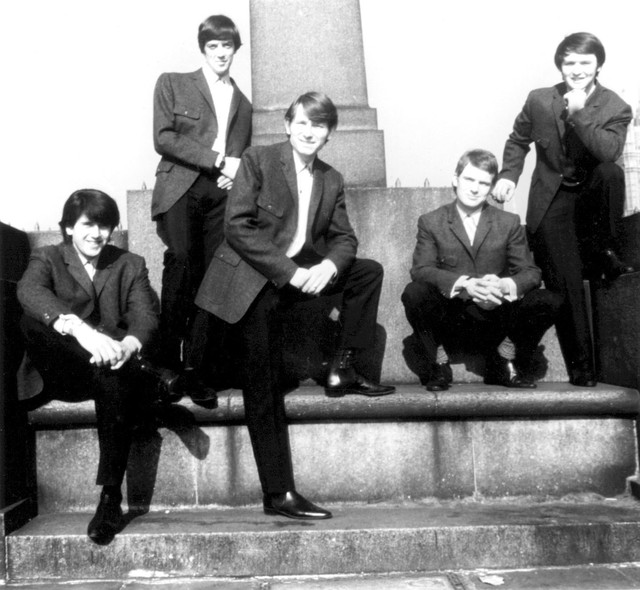
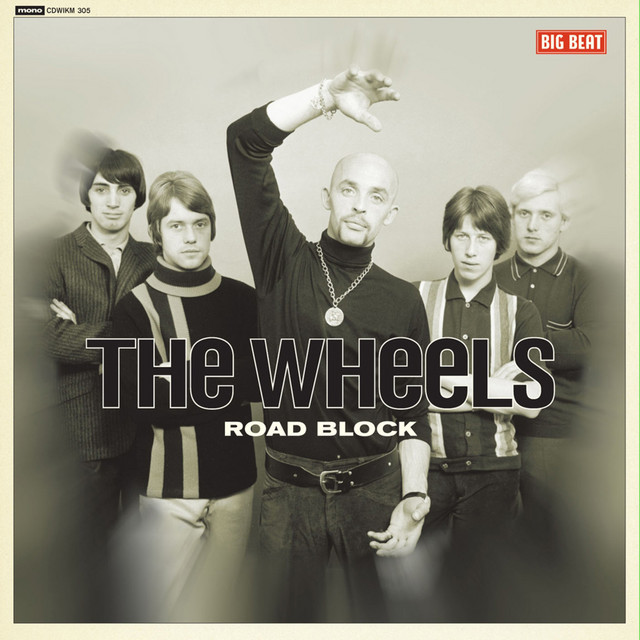
The mid-'60s Irish rock scene produced no bands that achieved international acclaim, with the major exception of <a href="spotify:artist:5BaHqGtf6UAZnHfqdPaTDA">Them</a>. In fact, very few Irish bands from the time are internationally known whatsoever, even to avid collectors, in part because few got to record more than one or two singles. Aside from <a href="spotify:artist:5BaHqGtf6UAZnHfqdPaTDA">Them</a> spinoff band <a href="spotify:artist:7ISEgPbN8s0h159gWOGuDi">the Belfast Gypsies</a>, the biggest exception to this would be <a href="spotify:artist:4d22O5s2UK1KzIoZRR8NZk">the Wheels</a>. Like <a href="spotify:artist:5BaHqGtf6UAZnHfqdPaTDA">Them</a>, they were from Belfast, and they had the good and bad fortune to bear a considerable sonic resemblance to <a href="spotify:artist:5BaHqGtf6UAZnHfqdPaTDA">Them</a>. Good, because their first three singles sound so much like early <a href="spotify:artist:5BaHqGtf6UAZnHfqdPaTDA">Them</a> sides that they can be confidently recommended to <a href="spotify:artist:5BaHqGtf6UAZnHfqdPaTDA">Them</a> fans. Bad, because the similarity was so close, that <a href="spotify:artist:4d22O5s2UK1KzIoZRR8NZk">the Wheels</a> could not be said to have developed their own persona. Although they were a good band, they were not so good that they could out-<a href="spotify:artist:5BaHqGtf6UAZnHfqdPaTDA">Them</a> <a href="spotify:artist:5BaHqGtf6UAZnHfqdPaTDA">Them</a>, and they lacked <a href="spotify:artist:5BaHqGtf6UAZnHfqdPaTDA">Them</a>'s originality, particularly as found in <a href="spotify:artist:5BaHqGtf6UAZnHfqdPaTDA">Them</a>'s singer/songwriter genius <a href="spotify:artist:44NX2ffIYHr6D4n7RaZF7A">Van Morrison</a>.
The Wheels were part of the same Belfast scene that gave birth to <a href="spotify:artist:5BaHqGtf6UAZnHfqdPaTDA">Them</a>, and in fact, <a href="spotify:artist:44NX2ffIYHr6D4n7RaZF7A">Van Morrison</a> sometimes sat in with <a href="spotify:artist:4d22O5s2UK1KzIoZRR8NZk">the Wheels</a> on sax. In 1964, they began making trips to the north of England to build up a following there, and in 1965, they were signed to <a href="spotify:search:label%3A%22Columbia%22">Columbia</a> in the U.K. The Wheels had a raw R&B-rock attack quite similar to that heard on <a href="spotify:artist:5BaHqGtf6UAZnHfqdPaTDA">Them</a>'s first records, down to the jagged guitar and sinister organ. Brian Rossi's vocals were also akin to <a href="spotify:artist:44NX2ffIYHr6D4n7RaZF7A">Van Morrison</a>'s most aggressive ones, though <a href="spotify:artist:43wp8UNZlKGueRUXKf9Nmb">Rossi</a> was not as subtle or strong. It could not have helped dodge <a href="spotify:artist:5BaHqGtf6UAZnHfqdPaTDA">Them</a> comparisons, however, to make their first single a cover of <a href="spotify:artist:5BaHqGtf6UAZnHfqdPaTDA">Them</a>'s "Gloria," backed by "Don't You Know," a Tommy Scott composition that <a href="spotify:artist:5BaHqGtf6UAZnHfqdPaTDA">Them</a> also recorded.
The Wheels' second single, "Bad Little Woman"/"Road Block" (released in February 1966), featured original material from the quintet, though even then it was only a little less <a href="spotify:artist:5BaHqGtf6UAZnHfqdPaTDA">Them</a>-like than their debut. "Bad Little Woman" was a minor-key takeoff on the "Gloria" rhythm, while "Road Block" was similar in mood and construction to <a href="spotify:artist:5BaHqGtf6UAZnHfqdPaTDA">Them</a>'s "Mystic Eyes." For what they were, though, they were good, raving tracks. Oddly, an alternate -- and better -- version of "Bad Little Woman" was issued in the U.S. on Aurora Records, with the band's name changed to the Wheel-A-Ways to avoid confusion with <a href="spotify:artist:7tdO7d7r0vhwov7RIZWH6V">Mitch Ryder & the Detroit Wheels</a>. This American version, with its creepy descending guitar slides and frenzied rave-up, in which the tempo nearly speeds off the highway as <a href="spotify:artist:43wp8UNZlKGueRUXKf9Nmb">Rossi</a>'s vocals turn into screams, is one of the peak obscure treasures of mid-'60s British R&B. "Bad Little Woman" was covered for a small hit in the U.S. by <a href="spotify:artist:0NRN3tnDVDspHMCfyu2ZwT">the Shadows of Knight</a> (who, of course, had also had a big hit with "Gloria," although they probably learned it from the <a href="spotify:artist:5BaHqGtf6UAZnHfqdPaTDA">Them</a> version).
Brian Rossi left <a href="spotify:artist:4d22O5s2UK1KzIoZRR8NZk">the Wheels</a> after the second single, and keyboardist Eric Wrixon, who had been in <a href="spotify:artist:5BaHqGtf6UAZnHfqdPaTDA">Them</a> for a while, joined. Their third and final single was a cover of <a href="spotify:artist:7sdACJuitGO70fExV5Pn6j">Paul Revere</a>'s "Kicks," backed by yet another song <a href="spotify:artist:5BaHqGtf6UAZnHfqdPaTDA">Them</a> had done, "Call My Name." Brian Rossi did rejoin for a while before <a href="spotify:artist:4d22O5s2UK1KzIoZRR8NZk">the Wheels</a> split in 1967; Wheels <a href="spotify:artist:0DKO1EioF3Moh7RG7fapJS">Herbie Armstrong</a> and Rod Demick made a duo album in the '70s, and <a href="spotify:artist:04kWWhnACFsQZlReaxSqsc">Armstrong</a> would later play guitar with <a href="spotify:artist:44NX2ffIYHr6D4n7RaZF7A">Van Morrison</a> on albums in the late '70s and early '80s. The Wheels got some belated international exposure when several of their sides were included on reissues of obscure British R&B. All seven tracks from their singles (including the alternate version of "Bad Little Woman" done as the Wheel-A-Ways), and five previously unreleased outtakes, appear on Belfast Beat Maritime Blues, a compilation of mid-'60s tracks by Belfast bands. ~ Richie Unterberger, Rovi
The Wheels were part of the same Belfast scene that gave birth to <a href="spotify:artist:5BaHqGtf6UAZnHfqdPaTDA">Them</a>, and in fact, <a href="spotify:artist:44NX2ffIYHr6D4n7RaZF7A">Van Morrison</a> sometimes sat in with <a href="spotify:artist:4d22O5s2UK1KzIoZRR8NZk">the Wheels</a> on sax. In 1964, they began making trips to the north of England to build up a following there, and in 1965, they were signed to <a href="spotify:search:label%3A%22Columbia%22">Columbia</a> in the U.K. The Wheels had a raw R&B-rock attack quite similar to that heard on <a href="spotify:artist:5BaHqGtf6UAZnHfqdPaTDA">Them</a>'s first records, down to the jagged guitar and sinister organ. Brian Rossi's vocals were also akin to <a href="spotify:artist:44NX2ffIYHr6D4n7RaZF7A">Van Morrison</a>'s most aggressive ones, though <a href="spotify:artist:43wp8UNZlKGueRUXKf9Nmb">Rossi</a> was not as subtle or strong. It could not have helped dodge <a href="spotify:artist:5BaHqGtf6UAZnHfqdPaTDA">Them</a> comparisons, however, to make their first single a cover of <a href="spotify:artist:5BaHqGtf6UAZnHfqdPaTDA">Them</a>'s "Gloria," backed by "Don't You Know," a Tommy Scott composition that <a href="spotify:artist:5BaHqGtf6UAZnHfqdPaTDA">Them</a> also recorded.
The Wheels' second single, "Bad Little Woman"/"Road Block" (released in February 1966), featured original material from the quintet, though even then it was only a little less <a href="spotify:artist:5BaHqGtf6UAZnHfqdPaTDA">Them</a>-like than their debut. "Bad Little Woman" was a minor-key takeoff on the "Gloria" rhythm, while "Road Block" was similar in mood and construction to <a href="spotify:artist:5BaHqGtf6UAZnHfqdPaTDA">Them</a>'s "Mystic Eyes." For what they were, though, they were good, raving tracks. Oddly, an alternate -- and better -- version of "Bad Little Woman" was issued in the U.S. on Aurora Records, with the band's name changed to the Wheel-A-Ways to avoid confusion with <a href="spotify:artist:7tdO7d7r0vhwov7RIZWH6V">Mitch Ryder & the Detroit Wheels</a>. This American version, with its creepy descending guitar slides and frenzied rave-up, in which the tempo nearly speeds off the highway as <a href="spotify:artist:43wp8UNZlKGueRUXKf9Nmb">Rossi</a>'s vocals turn into screams, is one of the peak obscure treasures of mid-'60s British R&B. "Bad Little Woman" was covered for a small hit in the U.S. by <a href="spotify:artist:0NRN3tnDVDspHMCfyu2ZwT">the Shadows of Knight</a> (who, of course, had also had a big hit with "Gloria," although they probably learned it from the <a href="spotify:artist:5BaHqGtf6UAZnHfqdPaTDA">Them</a> version).
Brian Rossi left <a href="spotify:artist:4d22O5s2UK1KzIoZRR8NZk">the Wheels</a> after the second single, and keyboardist Eric Wrixon, who had been in <a href="spotify:artist:5BaHqGtf6UAZnHfqdPaTDA">Them</a> for a while, joined. Their third and final single was a cover of <a href="spotify:artist:7sdACJuitGO70fExV5Pn6j">Paul Revere</a>'s "Kicks," backed by yet another song <a href="spotify:artist:5BaHqGtf6UAZnHfqdPaTDA">Them</a> had done, "Call My Name." Brian Rossi did rejoin for a while before <a href="spotify:artist:4d22O5s2UK1KzIoZRR8NZk">the Wheels</a> split in 1967; Wheels <a href="spotify:artist:0DKO1EioF3Moh7RG7fapJS">Herbie Armstrong</a> and Rod Demick made a duo album in the '70s, and <a href="spotify:artist:04kWWhnACFsQZlReaxSqsc">Armstrong</a> would later play guitar with <a href="spotify:artist:44NX2ffIYHr6D4n7RaZF7A">Van Morrison</a> on albums in the late '70s and early '80s. The Wheels got some belated international exposure when several of their sides were included on reissues of obscure British R&B. All seven tracks from their singles (including the alternate version of "Bad Little Woman" done as the Wheel-A-Ways), and five previously unreleased outtakes, appear on Belfast Beat Maritime Blues, a compilation of mid-'60s tracks by Belfast bands. ~ Richie Unterberger, Rovi
Monthly Listeners
1,142
Monthly Listeners History
Track the evolution of monthly listeners over the last 28 days.
Followers
675
Followers History
Track the evolution of followers over the last 28 days.
Top Cities
40 listeners

21 listeners
20 listeners
14 listeners
14 listeners
Related Artists