Data may be outdated
Last updated: 2 months ago — Click refresh to get the latest statistics.
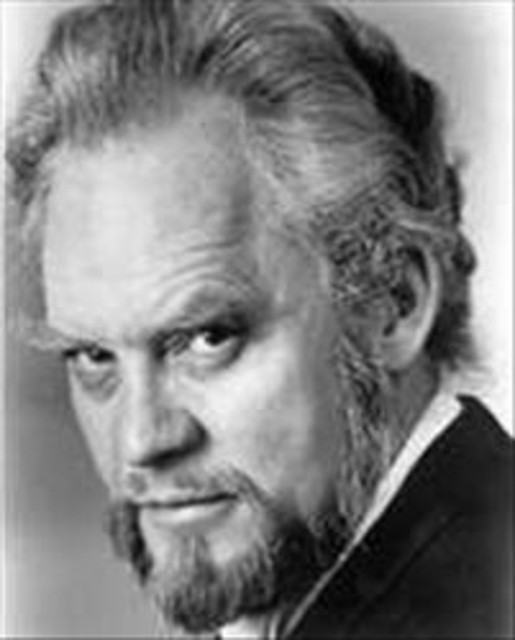
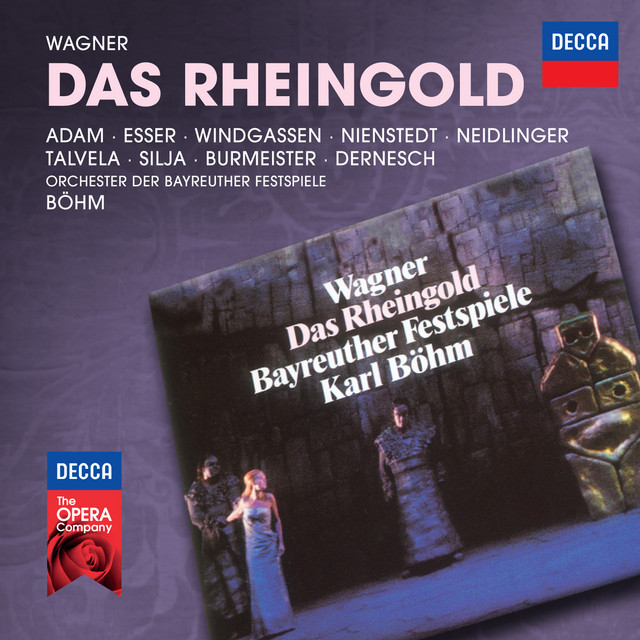
After study at the Juilliard School of Music, Stewart made his 1954 stage debut in the American premiere of <a href="spotify:artist:6pAwHPeExeUbMd5w7Iny6D">Richard Strauss</a>' Capriccio, singing theater director La Roche, a bass role. In the spring of 1954, he joined the New York City Opera, singing the Commendatore in Don Giovanni and the First Soldier in Salome (more bass parts). Chicago's Lyric Opera offered Stewart further opportunities for bass roles when he joined the company in the fall of 1954. There he sang Baptista in <a href="spotify:artist:3C1nk278lJds1UeCLYVgWD">Vittorio Giannini</a>'s The Taming of the Shrew, Raimondo in Lucia di Lammermoor, and Angelotti in Tosca. Europe seemed to offer more promise in 1956; after smaller roles, Stewart graduated to larger parts in the baritone and bass baritone registers. In 1958, he joined the Städtische Oper (now Deutsche Oper) in Berlin, making his debut as Escamillo. The Toreador was also the role for his Covent Garden debut in 1960. Stewart's first season at the Bayreuth Festival was 1960 when he appeared as Donner, Gunther, and Vanderdecken. His success that year led to a close relationship with the festival over the ensuing decade and a half; he eventually took on the role of Wotan. At the Paris Opéra, he made his debut in 1964 singing Gunther.
San Francisco played host to Stewart for several seasons, beginning in 1962 when he was kept busy with Rodrigo (Don Carlos), Valentin, Escamillo, and Ford. While his Toreador was found somewhat small-scaled, his Rodrigo and Ford aroused great enthusiasm. In the latter role, he played against Geraint Evans' feisty Falstaff and eloquently conveyed Ford's frustration and jealousy while singing handsomely. In 1981, Stewart sang the American premiere of <a href="spotify:artist:2tFIElBQr2cl7crv8T30ZI">Aribert Reimann</a>'s Lear at San Francisco. His Metropolitan Opera debut came on March 9, 1966, when he repeated his Ford, beginning 14 seasons with the company. His roles there ranged from Wotan, Hans Sachs, and Amfortas through Jochanaan and Goloud to Balstrode in Peter Grimes. All were sung with craft and expressiveness, even when they fell short of being definitive.
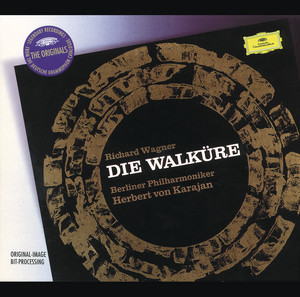
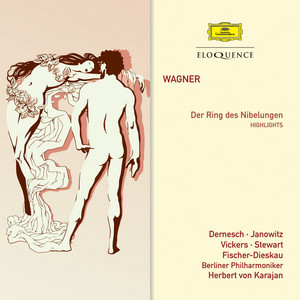
In Europe, Stewart was <a href="spotify:artist:5zCaQxjl110XTrm4LQ1CxY">Herbert von Karajan</a>'s Wotan of choice for Walküre and Siegfried in his Ring cycle, both in recording and in live performance at Salzburg. During the 1960s and 1970s, many of the baritone's other leading roles were captured in live recordings, notably his Amfortas, Vanderdecken, Gunther, Telramund, and Orest. At Santa Fe in 1967, he portrayed Cardillac in the American premiere of <a href="spotify:artist:3u1fWmwpwPOmMelTAo0Gb8">Hindemith</a>'s opera.
Monthly Listeners
4,299
Monthly Listeners History
Track the evolution of monthly listeners over the last 28 days.
Followers
1,439
Followers History
Track the evolution of followers over the last 28 days.
Total Streams
3.3 million
Total Streams History
Track the evolution of total streams over the last 28 days. This data is calculated from all tracks listed in the artist's discography.
Top Cities




Related Artists
Josephine Veasey



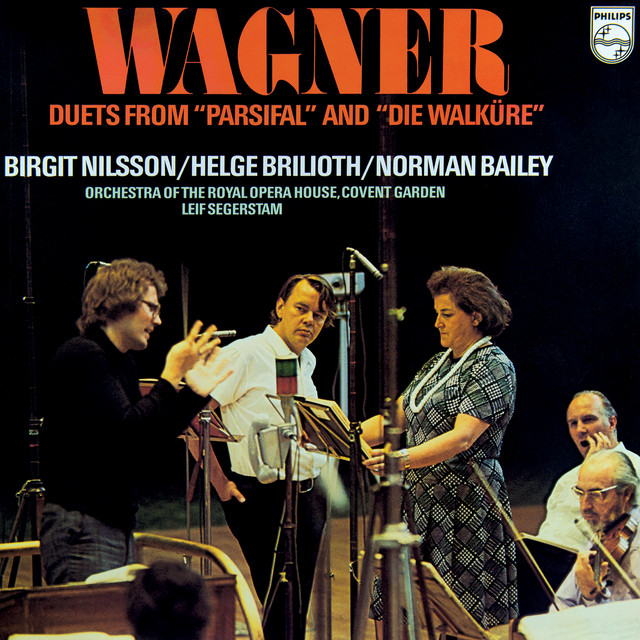
Helge Brilioth
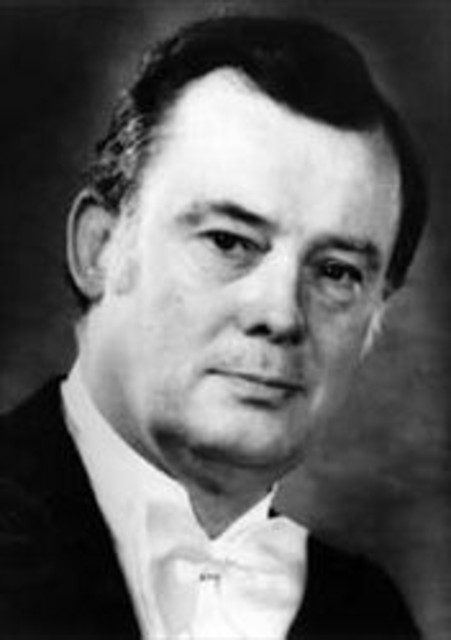
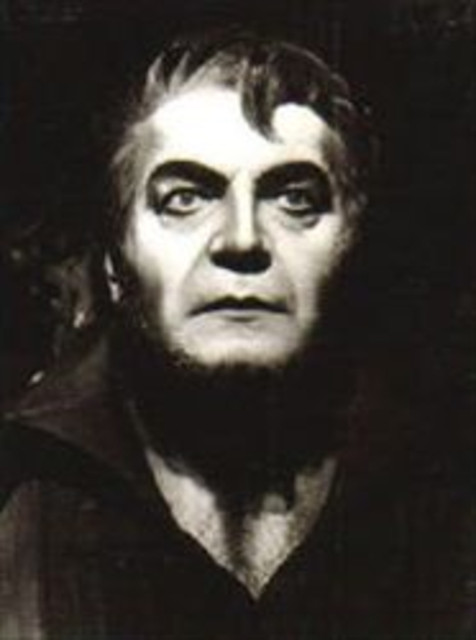


Set Svanholm
Donald Grobe
Martin Egel
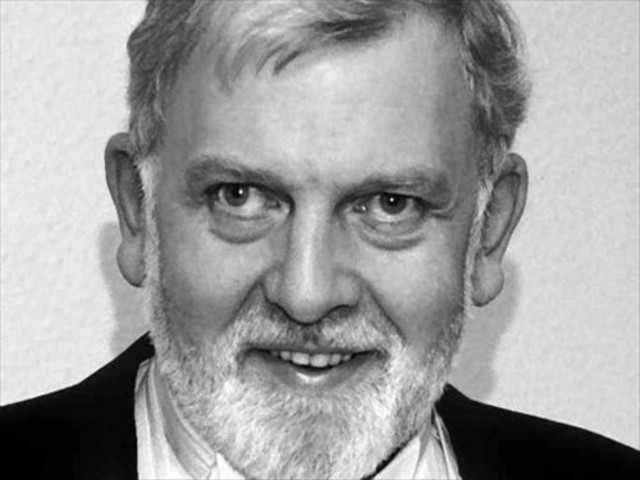
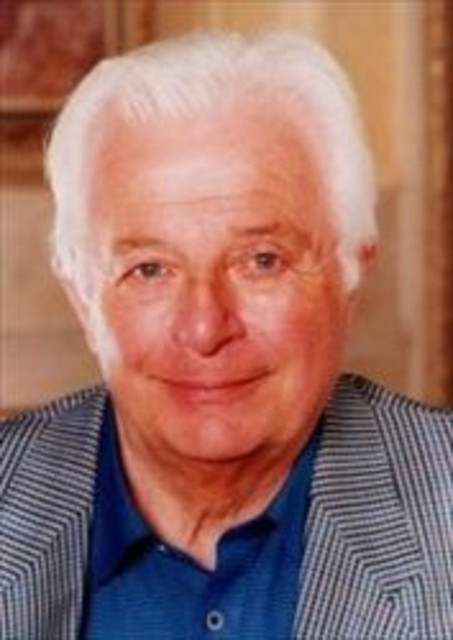
Waldemar Kmentt
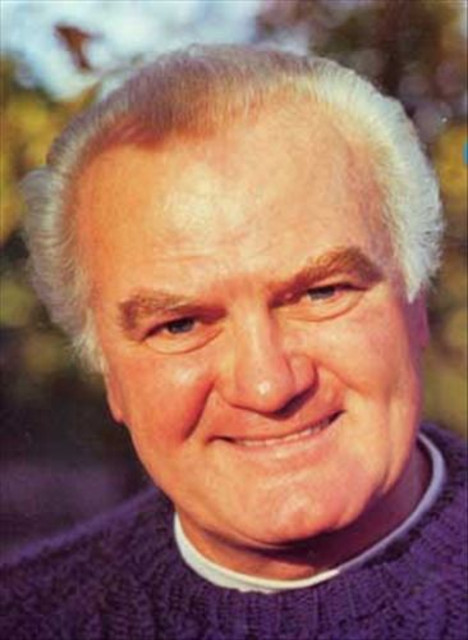
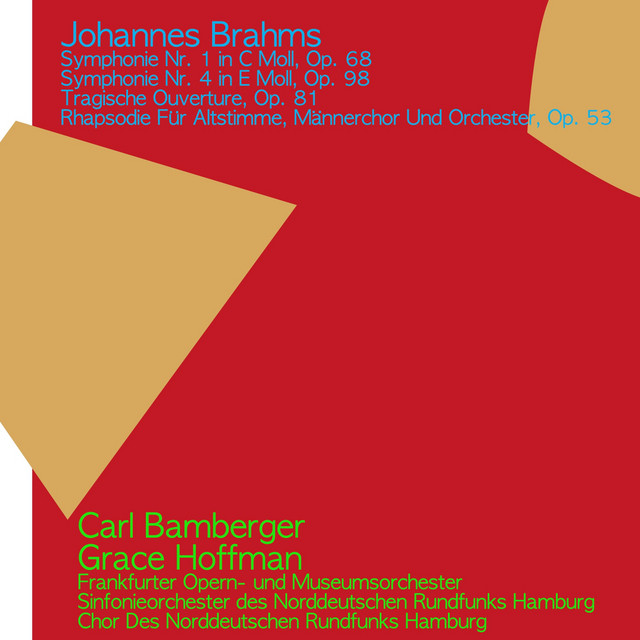
Grace Hoffman

Ralf Lukas


Marie Collier


Oralia Dominguez
Popular Tracks
384 tracks
Symphony No. 9 in D Minor, Op. 125: Presto - "O Freunde, nicht diese Töne!" - Allegro assai
Sep 18, 2020
160,136
streams
Die Walküre, WWV 86B / Act III: "Leb wohl, du kühnes, herrliches Kind!"
Jan 1, 1967
100,373
streams
Die Walküre - Erster Tag des Bühnenfestspiels: "Leb wohl, du kühnes, herrliches Kind" - Snippet
Jan 1, 2013
100,373
streams
Siegfried - Zweiter Tag des Bühnenfestspiels "Der Ring des Nibelungen" / Dritter Aufzug: "Heil dir, Sonne!" (Brünnhildes Erwachen)
Jan 1, 1989
81,190
streams


