Data may be outdated
Last updated: 9 months ago — Click refresh to get the latest statistics.
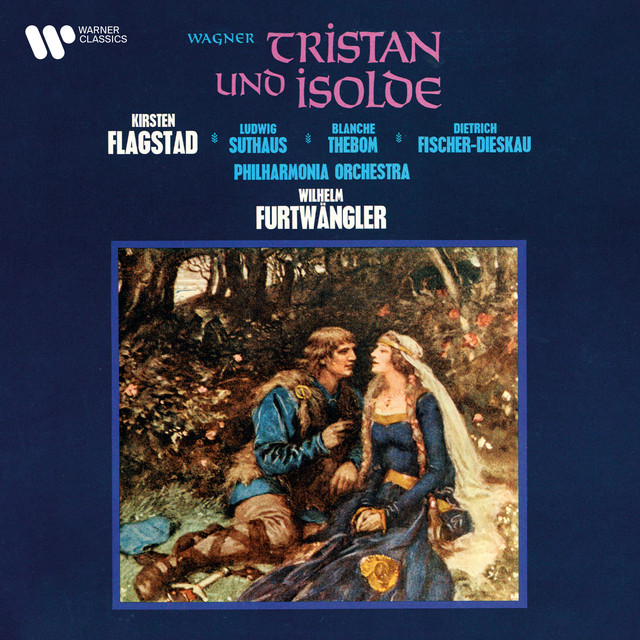
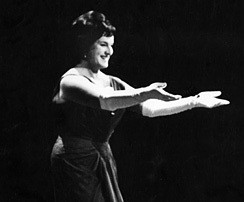
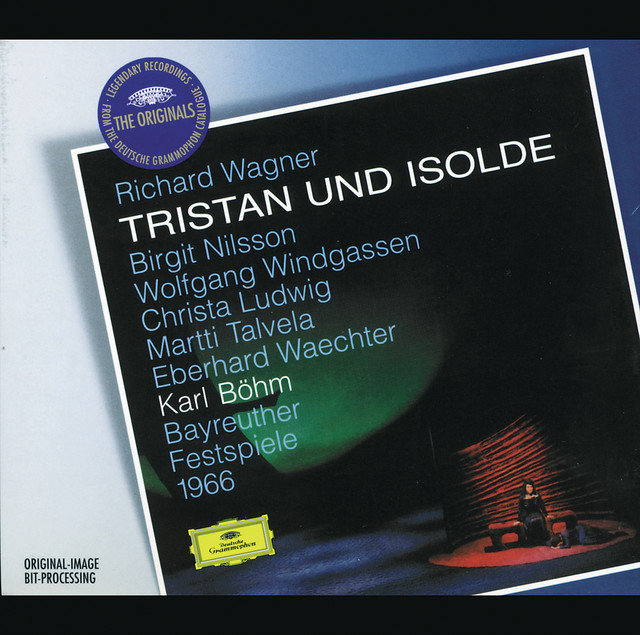
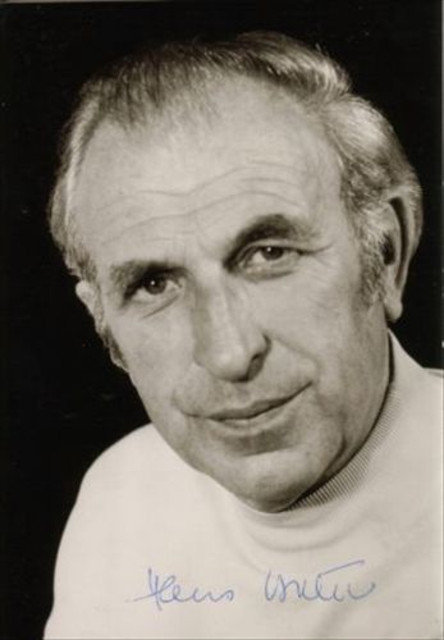
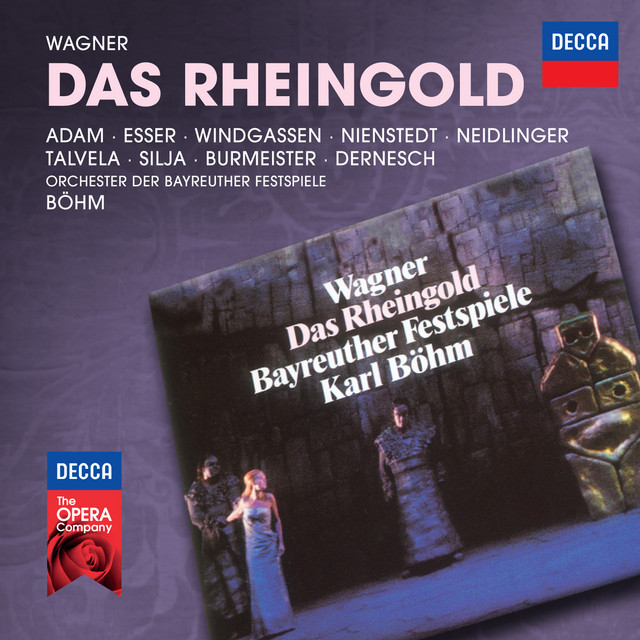
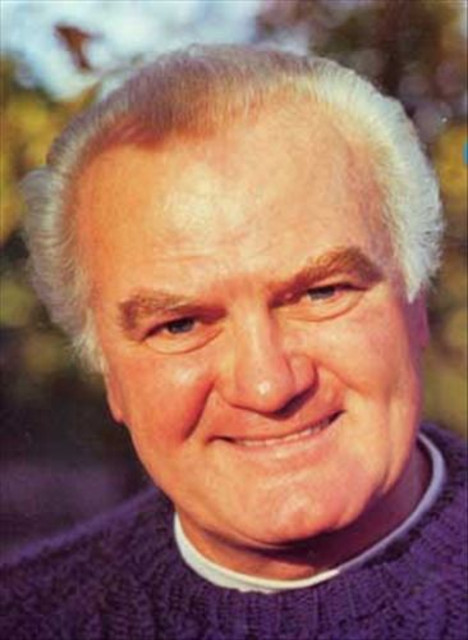
The most important singer of the German Heldentenor repertory in the 1950s and 1960s, Wolfgang Windgassen employed his not-quite-heroic instrument, believable physique, and considerable musical intelligence to forge memorable performances on-stage and in the recording studio. Although his voice lacked the sensuous appeal of <a href="spotify:artist:6c5WHLRKlc2EGkgNp1yqKo">Melchior</a>'s or <a href="spotify:artist:0qct7lhdKDGolKZm9LVnYy">Völker</a>'s, it was never unattractive and never employed to obvious effect. Indeed, it conveyed a youthfulness that suited the young Siegfried especially well. Born to German parents, both of them singers, in French Savoy, Windgassen began his vocal studies with his father Fritz. He later continued his training with Alfons Fischer and Maria Raznow at the Stuttgart Conservatory. The tenor made his debut as Alvaro in La forza del destino at Pforzheim in 1941. In 1945, he joined the Württembergisches Staatstheater in Stuttgart, steadily moving from lyric roles to more heroic parts; he remained a singer there until 1972. Upon making his debut in the first postwar season at Bayreuth in 1951, he came to international attention. His Parsifal, growing from uncomprehending innocence to maturity and service, was a moving portrayal and was recorded live by Decca Records. Windgassen became indispensable at the Bayreuth Festival, excelling as Lohengrin, the two Siegfrieds, Tannhäuser, and Tristan. There, he earned the respect and devotion of the three leading dramatic sopranos of the age: <a href="spotify:artist:38MEOndJsjoR2VY4TyDTrY">Martha Mödl</a>, <a href="spotify:artist:3d1Z9cAzU0KA1NMkfN4WZG">Astrid Varnay</a>, and <a href="spotify:artist:6ljM6B2XmSU7BtG3tZLQ1K">Birgit Nilsson</a>. Elsewhere, Windgassen made positive impressions at La Scala (where he debuted as Florestan in 1952), Paris (Parsifal in 1954), and Covent Garden, where he appeared as Tristan in 1954. Although regarded by English critics as somewhat light of voice for <a href="spotify:artist:1C1x4MVkql8AiABuTw6DgE">Wagner</a>'s heaviest tenor roles, his lyric expression and dramatic aptness were wholly admired. The <a href="spotify:artist:5wn7ofJrDNHlKovbljawzS">Metropolitan Opera</a> briefly heard him as Siegmund beginning in January 1957 (a role rather low for him) and as Siegfried. Windgassen did not return to America until 1970, when he sang Tristan to the Isolde of <a href="spotify:artist:6ljM6B2XmSU7BtG3tZLQ1K">Nilsson</a> at San Francisco. Beginning that same year, he turned to stage direction. Among Windgassen's finest recordings are his Bayreuth Parsifal, captured with a superb cast under <a href="spotify:artist:0gVO4VlBsDIMFrMIAJJzD3">Knappertsbusch</a>'s direction, his 1954 Bayreuth Lohengrin under <a href="spotify:artist:6XVxGOzn7c2rLi1GpXxm5v">Jochum</a>, his Siegfrieds under both <a href="spotify:artist:3fyr5uksidSlLzsUjRIz5A">Böhm</a> at Bayreuth and in the studio with <a href="spotify:artist:0dicUFoK5LIbqu6OoHu8VH">Solti</a>, and his Bayreuth Tristan with <a href="spotify:artist:3fyr5uksidSlLzsUjRIz5A">Böhm</a> conducting and <a href="spotify:artist:6ljM6B2XmSU7BtG3tZLQ1K">Nilsson</a> as his Isolde.
Monthly Listeners
5,346
Monthly Listeners History
Track the evolution of monthly listeners over the last 28 days.
Followers
4,702
Followers History
Track the evolution of followers over the last 28 days.
Top Cities



Related Artists
Josephine Veasey



Set Svanholm
Helge Brilioth

Donald Grobe
Grace Hoffman
Martin Egel

Ralf Lukas
Waldemar Kmentt