Data may be outdated
Last updated: 9 months ago — Click refresh to get the latest statistics.
Tylman Susato was important as a composer and very important as a music printer. Much about his origins and early years is unknown. Scholars take his name to mean "from Soest," referring to a Westphalian town in the bishopric of Cologne. This is supported from his occasionally signing himself Tylman Susato Agrippinensis, after the old name for Cologne, Colonia Aggripina. Thus, it is concluded, he was either born in Soest himself or was part of an Antwerp family originating from there.
Records show that in 1529 and 1530 he was a calligrapher at Antwerp Cathedral, and after 1531 added the position of trumpeter to his duties. In 1532 there is reference in the city archives of "Tielman van Colen," a town musician who owned several wind instruments. He continued as a town player until 1540.
In 1541 he went into the printing business, going partners with Henry ter Bruggen, an engraver and map maker who obtained a license to print music late that year, and Willem van Vissenaecken. Something went wrong with this business, and in September 1542 Susato made another partnership, with van Vissenaecken alone. They published a book of motets. This partnership also split, with Susato going into business alone and obtaining his first privilege to print music on July 20, 1543.
Susato ran this business for 18 years, establishing the first important music publishing house in the Low Countries. His publications included both anthologies and books devoted to single composers. One of his projects was a series he called the Musyck boexken, comprising Flemish songs. In the preface to the first one he asked Flemish composers to send him songs "suitable for publication" to show that "our Flemish tongue" was as suitable for music as French, Latin, or Italian. Another of his publications, Souterliedekens, is a group of polyphonic and metrical Dutch psalm settings, intended for the home rather than church.
His most important original music is a set of two books of 50 cantus firmus chansons in "two or three parts," meaning with the bass part optional. This is the largest number of extant cantus firmus chansons by any composer. Susato said in his preface to them that their purpose was to teach and encourage younger people who were not experienced at singing in ensemble. As such, the polyphonic writing is imitative. In addition, Susato also wrote and arranged various dances of the time in relatively simple, more homophonic texture.
Records show that in 1529 and 1530 he was a calligrapher at Antwerp Cathedral, and after 1531 added the position of trumpeter to his duties. In 1532 there is reference in the city archives of "Tielman van Colen," a town musician who owned several wind instruments. He continued as a town player until 1540.
In 1541 he went into the printing business, going partners with Henry ter Bruggen, an engraver and map maker who obtained a license to print music late that year, and Willem van Vissenaecken. Something went wrong with this business, and in September 1542 Susato made another partnership, with van Vissenaecken alone. They published a book of motets. This partnership also split, with Susato going into business alone and obtaining his first privilege to print music on July 20, 1543.
Susato ran this business for 18 years, establishing the first important music publishing house in the Low Countries. His publications included both anthologies and books devoted to single composers. One of his projects was a series he called the Musyck boexken, comprising Flemish songs. In the preface to the first one he asked Flemish composers to send him songs "suitable for publication" to show that "our Flemish tongue" was as suitable for music as French, Latin, or Italian. Another of his publications, Souterliedekens, is a group of polyphonic and metrical Dutch psalm settings, intended for the home rather than church.
His most important original music is a set of two books of 50 cantus firmus chansons in "two or three parts," meaning with the bass part optional. This is the largest number of extant cantus firmus chansons by any composer. Susato said in his preface to them that their purpose was to teach and encourage younger people who were not experienced at singing in ensemble. As such, the polyphonic writing is imitative. In addition, Susato also wrote and arranged various dances of the time in relatively simple, more homophonic texture.
Monthly Listeners
12,987
Monthly Listeners History
Track the evolution of monthly listeners over the last 28 days.
Followers
1,524
Followers History
Track the evolution of followers over the last 28 days.
Top Cities




Related Artists
Giorgio Mainerio
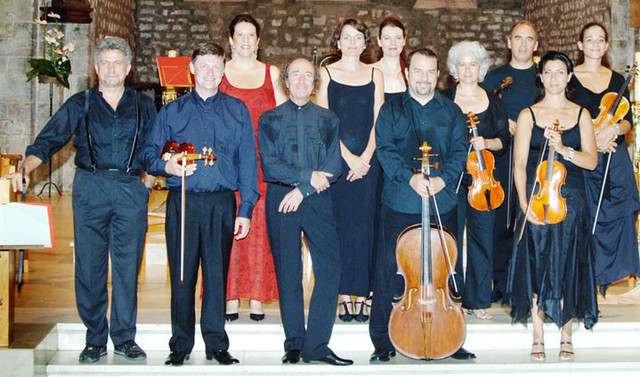
Musica Antiqua

Christian Mendoze


Francesco de la Torre
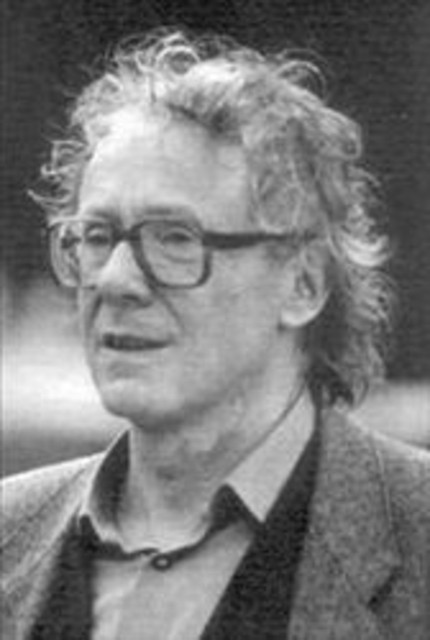
Andres Mustonen
Pierre Phalèse

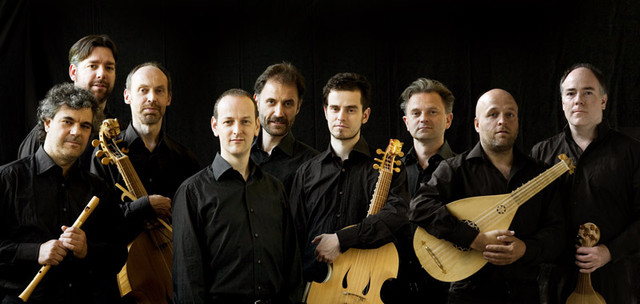
Les Witches
Pierre Attaingnant
Anonymous

Ensemble Buon tempo
The New York Renaissance Band
Erasmus Widmann
Orazio Vecchi
The Harp Consort
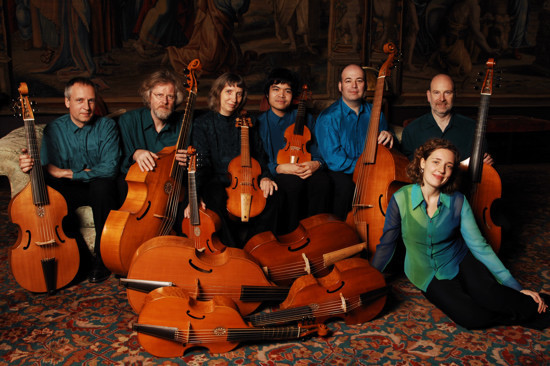
The Rose Consort Of Viols

Joculatores Upsalienses
Pierre Phalèse the Elder

Giovanni Ambrosio
Praetorius Consort
Cesare Negri