Data may be outdated
Last updated: 9 months ago — Click refresh to get the latest statistics.
A popular hokum blues artist, Washboard Sam recorded hundreds of records in the late '30s and '40s, usually with singer/guitarist <a href="spotify:artist:6HwigzRpuWoCZDqMOQc5eu">Big Bill Broonzy</a>. Out of all the washboard players of the era, Sam was the most popular, which was due not only to his to his washboard talent, but also to his skills as a songwriter, as well as his strong voice. As an accompanist, Sam not only played with <a href="spotify:artist:6HwigzRpuWoCZDqMOQc5eu">Broonzy</a>, but also with bluesmen like <a href="spotify:artist:2gSskdDhLQCx3CQd6XKDhp">Bukka White</a>, <a href="spotify:artist:5JuPv0rJXe5aWNTgu8YVqZ">Memphis Slim</a>, Willie Lacey, and <a href="spotify:artist:6GFrr6eHPyDtqguamN8vLg">Jazz Gillum</a>.
Washboard Sam (born Robert Brown) was the illegitimate son of Frank Broonzy, who also fathered <a href="spotify:artist:6HwigzRpuWoCZDqMOQc5eu">Big Bill Broonzy</a>. Sam was raised in Arkansas and worked on a farm. He moved to Memphis in the early '20s to play the blues. While in Memphis, he met <a href="spotify:artist:00UuF3fAevVz8L0f1WfiQ6">Sleepy John Estes</a> and <a href="spotify:artist:5nfU9hbvHJegn6oPdo2dh2">Hammie Nixon</a> and the trio played street corners, collecting tips from passers-by. In 1932, Sam moved to Chicago. Initially he played for tips, but soon he began performing regularly with <a href="spotify:artist:6HwigzRpuWoCZDqMOQc5eu">Big Bill Broonzy</a>. Within a few years, Sam was supporting <a href="spotify:artist:6HwigzRpuWoCZDqMOQc5eu">Broonzy</a> on the guitarist's <a href="spotify:search:label%3A%22Bluebird%22">Bluebird</a> recordings, and he began supporting a number of different musicians on their recording sessions, including pianist <a href="spotify:artist:5JuPv0rJXe5aWNTgu8YVqZ">Memphis Slim</a>, bassist Ransom Knowlin, and a handful of saxophone players, who all recorded for <a href="spotify:search:label%3A%22Bluebird%22">Bluebird</a>.
In 1935, Washboard Sam began recording for both <a href="spotify:search:label%3A%22Bluebird%22">Bluebird</a> and <a href="spotify:search:label%3A%22Vocalion+Records%22">Vocalion Records</a>, often supported by <a href="spotify:artist:6HwigzRpuWoCZDqMOQc5eu">Big Bill Broonzy</a>. Throughout the rest of the '30s and the '40s, Sam was one of the most popular Chicago bluesmen, selling numerous records and playing to packed audiences. After World War II, his audience began to shrink, largely because he had difficulty adapting to the new electric blues. In 1953, Washboard Sam recorded a session for <a href="spotify:search:label%3A%22Chess+Records%22">Chess Records</a> and then retired. In the early '60s, <a href="spotify:artist:5v8WPpMk60cqZbuZLdXjKY">Willie Dixon</a> and <a href="spotify:artist:5JuPv0rJXe5aWNTgu8YVqZ">Memphis Slim</a> tried to persuade Sam to return to the stage to capitalize on the blues revival. Initially, he refused, but in 1963, he began performing concerts in clubs and ccoffee housesin Chicago; he even played a handful of dates in Europe in early 1964. Washboard Sam made his final recordings for the small, Chicago-based <a href="spotify:artist:3GjPnuJtWUiwPm1Kn8zyG4">Spivey</a> label in 1964. The following year, his health quickly declined and he stopped recording and playing shows. In November of 1966, he died of heart disease. ~ Cub Koda, Rovi
Washboard Sam (born Robert Brown) was the illegitimate son of Frank Broonzy, who also fathered <a href="spotify:artist:6HwigzRpuWoCZDqMOQc5eu">Big Bill Broonzy</a>. Sam was raised in Arkansas and worked on a farm. He moved to Memphis in the early '20s to play the blues. While in Memphis, he met <a href="spotify:artist:00UuF3fAevVz8L0f1WfiQ6">Sleepy John Estes</a> and <a href="spotify:artist:5nfU9hbvHJegn6oPdo2dh2">Hammie Nixon</a> and the trio played street corners, collecting tips from passers-by. In 1932, Sam moved to Chicago. Initially he played for tips, but soon he began performing regularly with <a href="spotify:artist:6HwigzRpuWoCZDqMOQc5eu">Big Bill Broonzy</a>. Within a few years, Sam was supporting <a href="spotify:artist:6HwigzRpuWoCZDqMOQc5eu">Broonzy</a> on the guitarist's <a href="spotify:search:label%3A%22Bluebird%22">Bluebird</a> recordings, and he began supporting a number of different musicians on their recording sessions, including pianist <a href="spotify:artist:5JuPv0rJXe5aWNTgu8YVqZ">Memphis Slim</a>, bassist Ransom Knowlin, and a handful of saxophone players, who all recorded for <a href="spotify:search:label%3A%22Bluebird%22">Bluebird</a>.
In 1935, Washboard Sam began recording for both <a href="spotify:search:label%3A%22Bluebird%22">Bluebird</a> and <a href="spotify:search:label%3A%22Vocalion+Records%22">Vocalion Records</a>, often supported by <a href="spotify:artist:6HwigzRpuWoCZDqMOQc5eu">Big Bill Broonzy</a>. Throughout the rest of the '30s and the '40s, Sam was one of the most popular Chicago bluesmen, selling numerous records and playing to packed audiences. After World War II, his audience began to shrink, largely because he had difficulty adapting to the new electric blues. In 1953, Washboard Sam recorded a session for <a href="spotify:search:label%3A%22Chess+Records%22">Chess Records</a> and then retired. In the early '60s, <a href="spotify:artist:5v8WPpMk60cqZbuZLdXjKY">Willie Dixon</a> and <a href="spotify:artist:5JuPv0rJXe5aWNTgu8YVqZ">Memphis Slim</a> tried to persuade Sam to return to the stage to capitalize on the blues revival. Initially, he refused, but in 1963, he began performing concerts in clubs and ccoffee housesin Chicago; he even played a handful of dates in Europe in early 1964. Washboard Sam made his final recordings for the small, Chicago-based <a href="spotify:artist:3GjPnuJtWUiwPm1Kn8zyG4">Spivey</a> label in 1964. The following year, his health quickly declined and he stopped recording and playing shows. In November of 1966, he died of heart disease. ~ Cub Koda, Rovi
Monthly Listeners
1,403
Monthly Listeners History
Track the evolution of monthly listeners over the last 28 days.
Followers
3,739
Followers History
Track the evolution of followers over the last 28 days.
Top Cities


Related Artists

Jazz Gillum


The Yas Yas Girl (Merline Johnson)
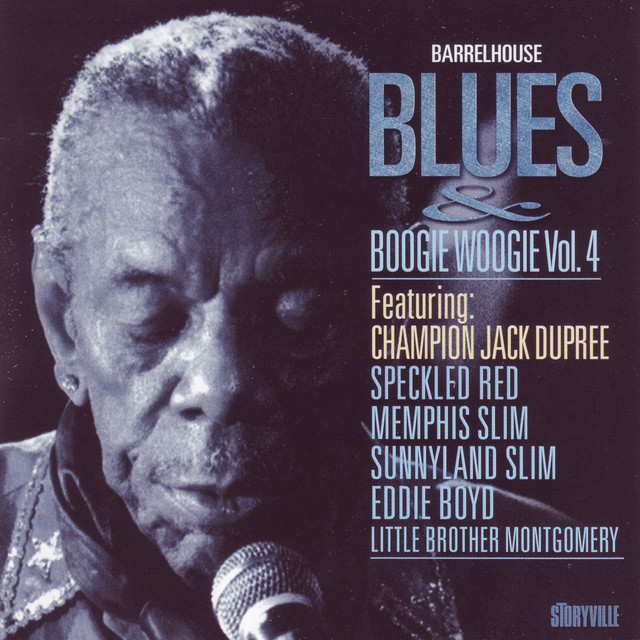
Speckled Red
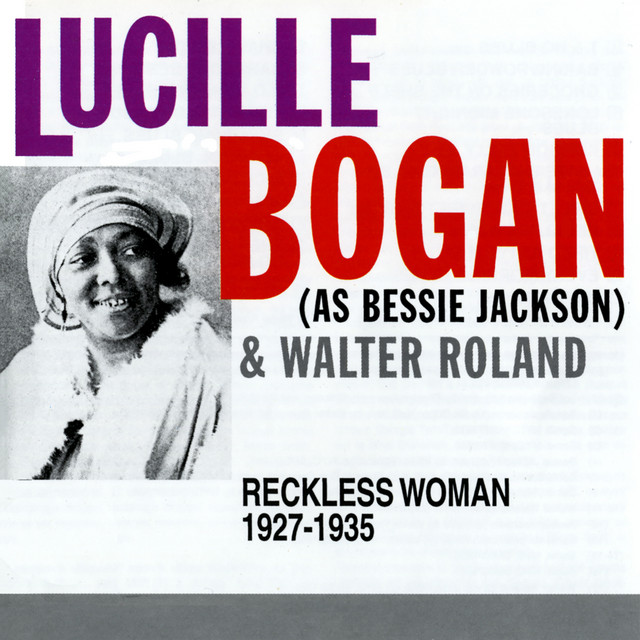
Walter Roland


Brownie McGee


Josh White
Doctor Clayton

Oscar Woods
Baby Face Leroy Foster

Sticks McGhee


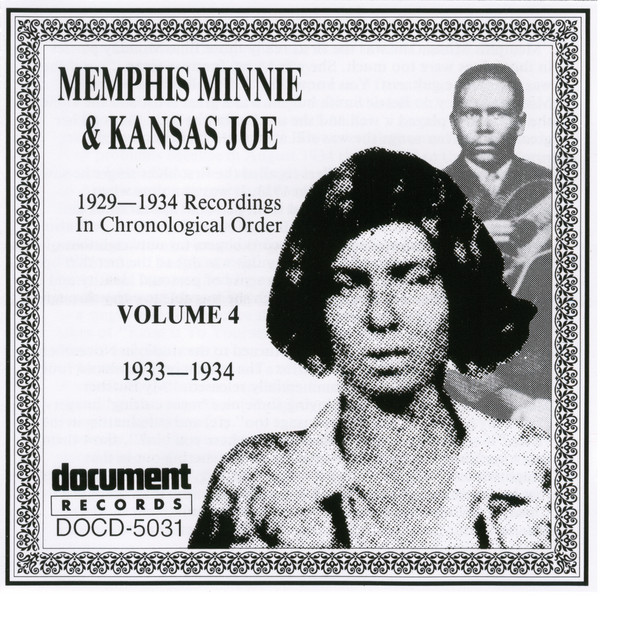


Charlie Burse & His Memphis Mudcats


Bill "Jazz" Gillum

Merline Johnson

Cousin Joe
Bessie Jackson


Daddy Stovepipe
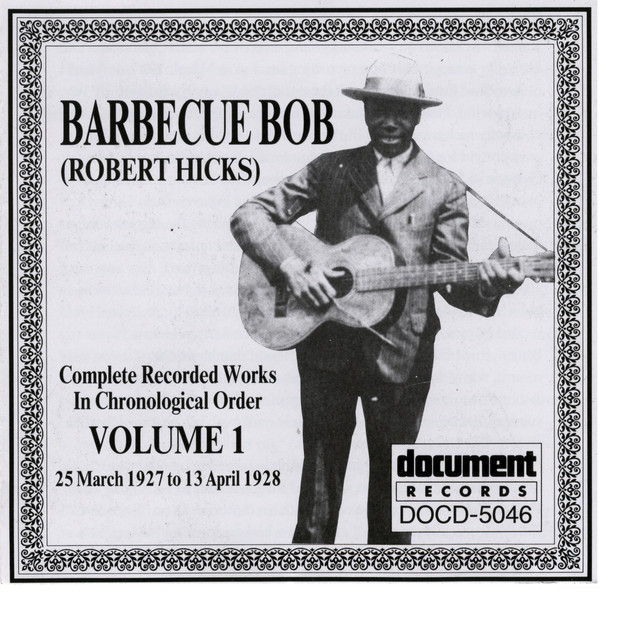


Freddie Spruell
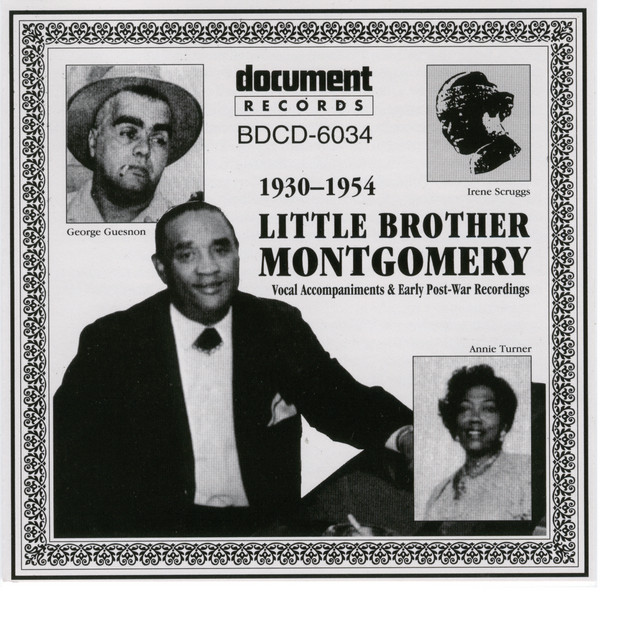
Little Brother Montgomery
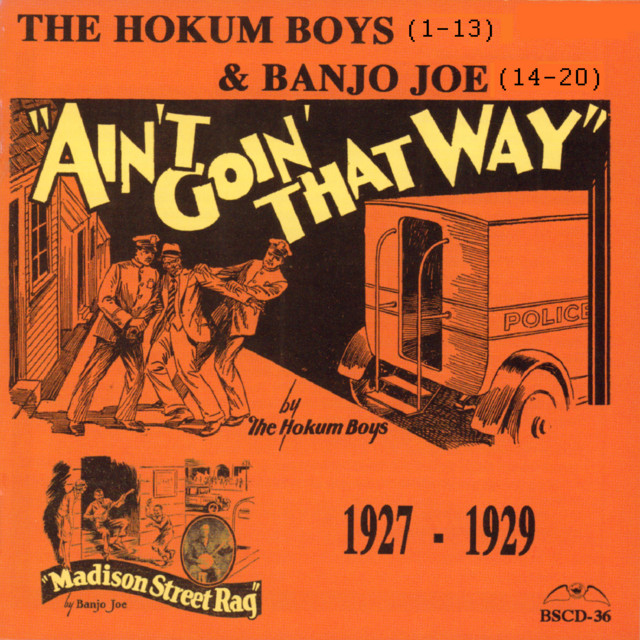
The Hokum Boys

Dan Pickett

Famous Hokum Boys