Data may be outdated
Last updated: 9 months ago — Click refresh to get the latest statistics.
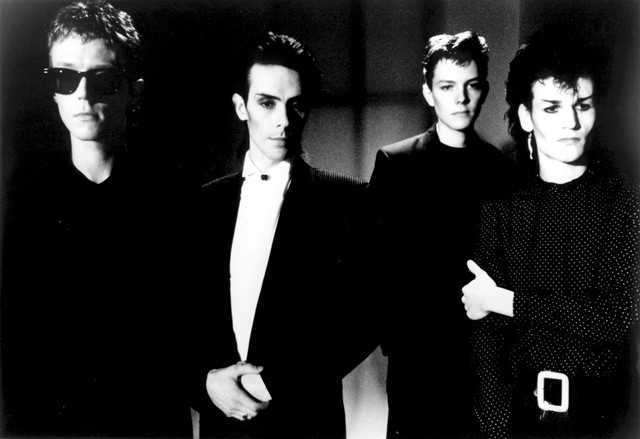
Xmal Deutschland were at the darker end of Germany's New Deutsche Welle spectrum with cutting guitars, pummeling drums, and foreboding if bewitching vocals. Appearing at the dawn of the '80s, the post-punk band, originally five women, started with a couple singles for the <a href="spotify:search:label%3A%22Zickzack%22">Zickzack</a> label in their native Hamburg before they became only the second European band (after <a href="spotify:artist:15BYnFahZPTexrVSiqxbK7">Sort Sol</a>) to record for <a href="spotify:search:label%3A%224AD%22">4AD</a>. While Xmal Deutschland's sonic and visual presentation -- plus song titles like "Incubus Succubus" -- provoked frequent classification as goth rock, the tag was as misleading for them as it was for the vast majority of their contemporaries. Despite Anja Huwe's predominantly German lyrics, the band found underground success in the U.K. with their two 4AD LPs, Fetisch (1983) and Tocsin (1984), respective number three and number one hits on the independent album chart. Viva (<a href="spotify:search:label%3A%22Phonogram%22">Phonogram</a>, 1987) and Devils (<a href="spotify:search:label%3A%22Metronome%22">Metronome</a>, 1989) saw the band take a more pop-oriented approach with a polished sound, tighter song structures, and English lyrics.
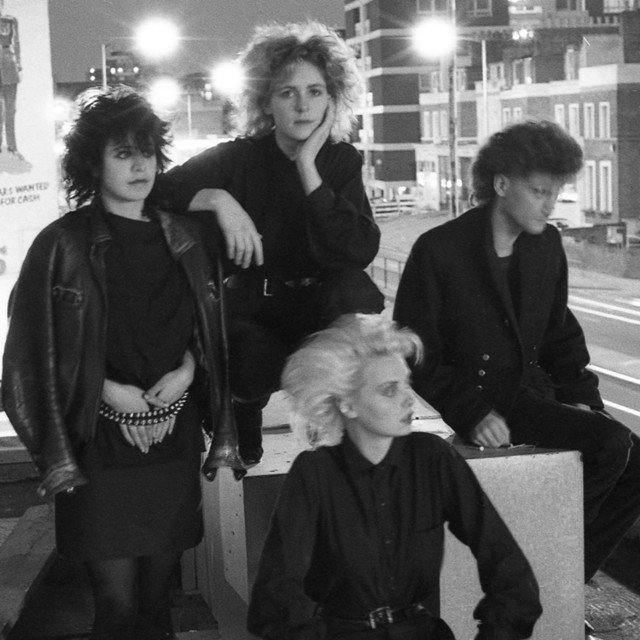
Named after an early-'60s sociopolitical treatise written by German journalist and activist Rudolf Leonhard, Xmal Deutschland were formed in 1980 by Anja Huwe (originally on bass), Caro May (drums), Manuela Rickers (guitar), Fiona Sangster (keyboards), and Rita Simon (vocals). Most of the members had met at Hamburg punk gigs. After Xmal Deutschland supported <a href="spotify:artist:29VcQUPD3y6atruSOiNEbL">Palais Schaumburg</a> and <a href="spotify:artist:6rLoWa2V54PjuENuQBKe6F">Wirtschaftswunder</a>, they agreed to record for <a href="spotify:search:label%3A%22Zickzack%22">Zickzack</a>, the local outlet for those fellow New Deutsche Welle bands. Huwe reluctantly became permanent frontperson when Simon didn't appear at the first studio session, the result of which was the churning single "Schwarze Welt," issued in March 1981. (Simon moved to bass but didn't remain in the lineup for long.) After an appearance on a <a href="spotify:search:label%3A%22Zickzack%22">Zickzack</a> compilation and a tour with <a href="spotify:artist:4KtyUYo9zaM9YggIVc7uxx">DAF</a>, Xmal Deutschland returned in May 1982 with a more driving second single, "Incubus Succubus," recorded with new bassist Wolfgang Ellerbrock. Somewhere along the way, Manuela Zwingman replaced Caro May, and before the end of the year, the band opened for <a href="spotify:artist:5Wabl1lPdNOeIn0SQ5A1mp">Cocteau Twins</a> in London and recorded their first of four BBC sessions for John Peel's Radio 1 program. Their first BBC date yielded performances of their latest A-side, future A-side "Qual," and another song that would appear on their first album.
Xmal Deutschland had attracted a deal with <a href="spotify:search:label%3A%224AD%22">4AD</a>, home to <a href="spotify:artist:5Wabl1lPdNOeIn0SQ5A1mp">Cocteau Twins</a>, as well as band favorites <a href="spotify:artist:5N5tQ9Dx1h8Od7aRmGj7Fi">Bauhaus</a> and <a href="spotify:artist:5I2hMUcztc6QbzkyLskdt4">the Birthday Party</a>, by sending the London-based label a rehearsal tape. <a href="spotify:search:label%3A%224AD%22">4AD</a> boss Ivo-Watts Russell and the band teamed to produce the debut full-length Fetisch, a confident and imposing set of danceable post-punk. Huwe's German lyrics didn't prevent a connection with English listeners, as the album entered the U.K. independent chart in April 1983 and peaked at number three during a long stay of eight months. Lead single "Qual" cracked the Top Ten of the independent singles chart, and swift non-album follow-up "Incubus Succubus II" -- a less stark version of the band's second <a href="spotify:search:label%3A%22Zickzack%22">Zickzack</a> single -- reached number five. The band then made their second album, Tocsin, with Peter Bellendir in place of Manuela Zwingman (who would later join <a href="spotify:artist:2KIezwdswV0DunSBLSe4pR">All About Eve</a>). Produced by Mick Glossop, whose extensive c.v. included <a href="spotify:artist:4VuMnSnoTGrma3a79UhfMs">Magazine</a>'s Real Life, <a href="spotify:artist:1uJKSAvQROYPgm7qhZkqd3">Ruts</a>' The Crack, and <a href="spotify:artist:2vwI9jlKSgJbne3dlTzaLO">Skids</a>' The Absolute Game, Tocsin sported a sharp sound with an increased prioritization of traditional song structures. It topped the independent chart and crossed over to number 86 on the main U.K. chart.
Success of Tocsin notwithstanding, Ivo Watts-Russell was unenthused about the increasingly commercial direction in which Xmal Deutschland were headed. <a href="spotify:search:label%3A%224AD%22">4AD</a> exited the picture, and the band set up their own label, Exile (subsequently <a href="spotify:search:label%3A%22Xile%22">Xile</a>). Over 1985 and 1986, they released the three-song 12" EP Sequenz, produced by Glossop, and then the gentler-yet "Matador," produced by <a href="spotify:artist:0RUEHcBiENFEqxgicqS2ig">the Stranglers</a>' <a href="spotify:artist:6AtjcomJ1mUSPsTAGVIhJN">Hugh Cornwell</a>. The first of those two became the band's second number five showing on the U.K. independent chart. In 1987, with support from <a href="spotify:search:label%3A%22Phonogram%22">Phonogram</a>, the band released their third album, Viva, featuring remixes of songs from the '85-'86 singles, a higher percentage of English lyrics, and production assistance from Gavin McKillop. After its release, Xmal Deutschland became a duo; Manuela Rickers and Peter Bellendir left and resurfaced with Whiteouts, and Fiona Sangster left music altogether. Remaining members Anja Huwe and Wolfgang Ellerbrock added <a href="spotify:artist:5iFfm3Vts3ENHnORSrvdMs">Abwärts</a> guitarist Frank Ziegert to put together the 1989 album Devils, issued in Germany on <a href="spotify:search:label%3A%22Metronome%22">Metronome</a>. (Ziegert had mixed the band's second single.) Xmal Deutschland split the next year, enabling Huwe to establish a career in visual art. In 2024, the <a href="spotify:search:label%3A%22Sacred+Bones%22">Sacred Bones</a> label compiled Early Singles 1981-1982, which coincided with the release of Codes, Huwe's first solo album, featuring guitar from Rickers. ~ Andy Kellman, Rovi
Named after an early-'60s sociopolitical treatise written by German journalist and activist Rudolf Leonhard, Xmal Deutschland were formed in 1980 by Anja Huwe (originally on bass), Caro May (drums), Manuela Rickers (guitar), Fiona Sangster (keyboards), and Rita Simon (vocals). Most of the members had met at Hamburg punk gigs. After Xmal Deutschland supported <a href="spotify:artist:29VcQUPD3y6atruSOiNEbL">Palais Schaumburg</a> and <a href="spotify:artist:6rLoWa2V54PjuENuQBKe6F">Wirtschaftswunder</a>, they agreed to record for <a href="spotify:search:label%3A%22Zickzack%22">Zickzack</a>, the local outlet for those fellow New Deutsche Welle bands. Huwe reluctantly became permanent frontperson when Simon didn't appear at the first studio session, the result of which was the churning single "Schwarze Welt," issued in March 1981. (Simon moved to bass but didn't remain in the lineup for long.) After an appearance on a <a href="spotify:search:label%3A%22Zickzack%22">Zickzack</a> compilation and a tour with <a href="spotify:artist:4KtyUYo9zaM9YggIVc7uxx">DAF</a>, Xmal Deutschland returned in May 1982 with a more driving second single, "Incubus Succubus," recorded with new bassist Wolfgang Ellerbrock. Somewhere along the way, Manuela Zwingman replaced Caro May, and before the end of the year, the band opened for <a href="spotify:artist:5Wabl1lPdNOeIn0SQ5A1mp">Cocteau Twins</a> in London and recorded their first of four BBC sessions for John Peel's Radio 1 program. Their first BBC date yielded performances of their latest A-side, future A-side "Qual," and another song that would appear on their first album.
Xmal Deutschland had attracted a deal with <a href="spotify:search:label%3A%224AD%22">4AD</a>, home to <a href="spotify:artist:5Wabl1lPdNOeIn0SQ5A1mp">Cocteau Twins</a>, as well as band favorites <a href="spotify:artist:5N5tQ9Dx1h8Od7aRmGj7Fi">Bauhaus</a> and <a href="spotify:artist:5I2hMUcztc6QbzkyLskdt4">the Birthday Party</a>, by sending the London-based label a rehearsal tape. <a href="spotify:search:label%3A%224AD%22">4AD</a> boss Ivo-Watts Russell and the band teamed to produce the debut full-length Fetisch, a confident and imposing set of danceable post-punk. Huwe's German lyrics didn't prevent a connection with English listeners, as the album entered the U.K. independent chart in April 1983 and peaked at number three during a long stay of eight months. Lead single "Qual" cracked the Top Ten of the independent singles chart, and swift non-album follow-up "Incubus Succubus II" -- a less stark version of the band's second <a href="spotify:search:label%3A%22Zickzack%22">Zickzack</a> single -- reached number five. The band then made their second album, Tocsin, with Peter Bellendir in place of Manuela Zwingman (who would later join <a href="spotify:artist:2KIezwdswV0DunSBLSe4pR">All About Eve</a>). Produced by Mick Glossop, whose extensive c.v. included <a href="spotify:artist:4VuMnSnoTGrma3a79UhfMs">Magazine</a>'s Real Life, <a href="spotify:artist:1uJKSAvQROYPgm7qhZkqd3">Ruts</a>' The Crack, and <a href="spotify:artist:2vwI9jlKSgJbne3dlTzaLO">Skids</a>' The Absolute Game, Tocsin sported a sharp sound with an increased prioritization of traditional song structures. It topped the independent chart and crossed over to number 86 on the main U.K. chart.
Success of Tocsin notwithstanding, Ivo Watts-Russell was unenthused about the increasingly commercial direction in which Xmal Deutschland were headed. <a href="spotify:search:label%3A%224AD%22">4AD</a> exited the picture, and the band set up their own label, Exile (subsequently <a href="spotify:search:label%3A%22Xile%22">Xile</a>). Over 1985 and 1986, they released the three-song 12" EP Sequenz, produced by Glossop, and then the gentler-yet "Matador," produced by <a href="spotify:artist:0RUEHcBiENFEqxgicqS2ig">the Stranglers</a>' <a href="spotify:artist:6AtjcomJ1mUSPsTAGVIhJN">Hugh Cornwell</a>. The first of those two became the band's second number five showing on the U.K. independent chart. In 1987, with support from <a href="spotify:search:label%3A%22Phonogram%22">Phonogram</a>, the band released their third album, Viva, featuring remixes of songs from the '85-'86 singles, a higher percentage of English lyrics, and production assistance from Gavin McKillop. After its release, Xmal Deutschland became a duo; Manuela Rickers and Peter Bellendir left and resurfaced with Whiteouts, and Fiona Sangster left music altogether. Remaining members Anja Huwe and Wolfgang Ellerbrock added <a href="spotify:artist:5iFfm3Vts3ENHnORSrvdMs">Abwärts</a> guitarist Frank Ziegert to put together the 1989 album Devils, issued in Germany on <a href="spotify:search:label%3A%22Metronome%22">Metronome</a>. (Ziegert had mixed the band's second single.) Xmal Deutschland split the next year, enabling Huwe to establish a career in visual art. In 2024, the <a href="spotify:search:label%3A%22Sacred+Bones%22">Sacred Bones</a> label compiled Early Singles 1981-1982, which coincided with the release of Codes, Huwe's first solo album, featuring guitar from Rickers. ~ Andy Kellman, Rovi
Monthly Listeners
90,521
Monthly Listeners History
Track the evolution of monthly listeners over the last 28 days.
Followers
103,922
Followers History
Track the evolution of followers over the last 28 days.
Top Cities
2,321 listeners
2,298 listeners
1,348 listeners

1,287 listeners

1,238 listeners

Related Artists