Data may be outdated
Last updated: 8 months ago — Click refresh to get the latest statistics.
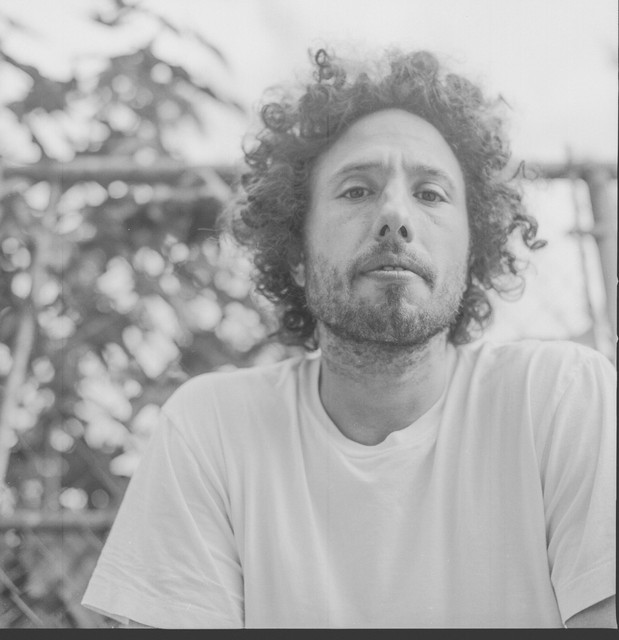
Zack de la Rocha is one of the biggest and most well-respected names in alternative music, known equally for his militant political activism and passionate vocal delivery. In the '90s he rose to fame as frontman for <a href="spotify:artist:2d0hyoQ5ynDBnkvAbJKORj">Rage Against the Machine</a>, and used that pedestal as a catalyst to further his left-wing political beliefs. To understand the motives for de la Rocha's vocal stylings, one must first trace back his philosophical roots. His story begins in Irvine, CA, during the '70s and '90s, with de la Rocha growing up as a Hispanic youth in one of the most ethnically white areas of California. His mother was an anthropology Ph.D. and his father, Belo de la Rocha, was a well-known muralist, famous for his paintings of Zapatista farmers. His parents separated at an early age and Zack split his time between his two parents. When Zack was 13 years old, his father had a nervous breakdown and subjected his son to extreme religious asceticism. Soon, he could no longer cope with his father's fanaticism and chose to move in with his mother full-time.
Within a few years, de la Rocha began to express his feelings of anger and isolation by listening to hardcore punk music, including <a href="spotify:artist:07PiZYrhllpSXtELkUxlrf">Minor Threat</a>, <a href="spotify:artist:5Mhs3Eu8lU6sRCtRYsmABV">Black Flag</a>, and <a href="spotify:artist:2yJwXpWAQOOl5XFzbCxLs9">Bad Religion</a>. Before long, he had joined his first high-school band, <a href="spotify:artist:6skV6Av1DdOenxQ3FeOC4k">Hardstance</a>, where he contributed both guitars and vocals. This band later evolved into <a href="spotify:artist:6skV6Av1DdOenxQ3FeOC4k">Inside Out</a>, which would eventually release one album on Revelation Records in 1991. As he grew older, he strayed away from his rock influences and became increasingly affected by a stream of hip-hop artists, such as <a href="spotify:artist:2gINJ8xw86xawPyGvx1bla">KRS-One</a> and <a href="spotify:artist:3CQIn7N5CuRDP8wEI7FiDA">Run-D.M.C.</a> This is about the time when he bumped into <a href="spotify:artist:74NBPbyyftqJ4SpDZ4c1Ed">Tom Morello</a>, a Harvard-educated political science major and kindred soul in socialist thought. The two clicked musically and intellectually and started a band together, which de la Rocha dubbed <a href="spotify:artist:2d0hyoQ5ynDBnkvAbJKORj">Rage Against the Machine</a>. With a backdrop of heavy metal riffs and <a href="spotify:artist:74NBPbyyftqJ4SpDZ4c1Ed">Morello</a>'s clever distortion techniques, de la Rocha's hip-hop-tinged vocals singed with unparalleled intensity. It wasn't long before the two were on the main stage at Lollapalooza II and became one of the most politically volatile bands ever to receive extensive radio and MTV airtime.
Soon, de la Rocha became one of the most visible champions of liberal causes around the world. The band's first video, "Freedom," was a mini-documentary about the plight of Leonard Peltier, a Native American convicted of killing two FBI agents. De la Rocha also became a prominent spokesman for the Free <a href="spotify:artist:22cCkMaX0EIW78JqEcHurf">Mumia Abu-Jamal</a> movement and picked up his father's cause in support of Zapatista rebels in Mexico. De la Rocha's activism took him as far as the floor of the U.N., where he testified against the United States in their treatment of <a href="spotify:artist:22cCkMaX0EIW78JqEcHurf">Abu-Jamal</a>. The band's music and message were so closely intertwined that de la Rocha did not consider his albums successes unless they resulted in tangible political change. Their second and third albums both peaked at number one, but the political windfall was not what he had hoped for. Increasingly restless, he embarked upon collaborative projects with <a href="spotify:artist:2gINJ8xw86xawPyGvx1bla">KRS-One</a> and <a href="spotify:artist:1JfH8gevkDviqs50A5NO0L">Chuck D</a>. By the end of 2000, de la Rocha announced that he was leaving the band.
In 2001, de la Rocha was recording, on separate occasions, with <a href="spotify:artist:78xUyw6FkVZrRAtziFdtdu">Roots</a> drummer ?uestlove and former <a href="spotify:artist:0y0VESpVYa8xyNAxu77kcS">Company Flow</a> frontman <a href="spotify:artist:57UnSUpae3SbRekxNa5Kgl">El-P</a>, as well as with producers <a href="spotify:artist:5CE2IfdYZEQGIDsfiRm8SI">DJ Shadow</a>, <a href="spotify:artist:4fv5w0LJib9OMbXQegqZ01">Dan the Automator</a>, <a href="spotify:artist:5UjqeSp9dX6Nrge7WdDukr">Roni Size</a>, and <a href="spotify:artist:6GEykX11lQqp92UVOQQCC7">DJ Premier</a>. Rumors of a potential release date circulated, but the project was ultimately scrapped. Soon after, de la Rocha took on another endeavor with <a href="spotify:artist:0X380XXQSNBYuleKzav5UO">Nine Inch Nails</a> mastermind <a href="spotify:artist:0hRijdwO8UsJMudc3476ma">Trent Reznor</a>, but of the 20 songs that the duo recorded, only "We Want It All" saw the light of day, on the 2004 compilation Songs and Artists That Inspired Fahrenheit 9/11. Aside from making some appearances at political rallies and guesting on other artists' albums -- including Blazing Arrow by <a href="spotify:artist:42Np3r8zXnaKcjLQsQSjyG">Blackalicious</a> and In the Mode by Roni Size & Reprazent -- de la Rocha remained relatively quiet as a solo artist until 2008, when he teamed up with onetime <a href="spotify:artist:75U40yZLLPglFgXbDVnmVs">Mars Volta</a> drummer Jon Theodore to form <a href="spotify:artist:6cQ3KWVz7xm7TrML8XxgsW">One Day as a Lion</a>. ~ Kieran McCarthy, Rovi
Within a few years, de la Rocha began to express his feelings of anger and isolation by listening to hardcore punk music, including <a href="spotify:artist:07PiZYrhllpSXtELkUxlrf">Minor Threat</a>, <a href="spotify:artist:5Mhs3Eu8lU6sRCtRYsmABV">Black Flag</a>, and <a href="spotify:artist:2yJwXpWAQOOl5XFzbCxLs9">Bad Religion</a>. Before long, he had joined his first high-school band, <a href="spotify:artist:6skV6Av1DdOenxQ3FeOC4k">Hardstance</a>, where he contributed both guitars and vocals. This band later evolved into <a href="spotify:artist:6skV6Av1DdOenxQ3FeOC4k">Inside Out</a>, which would eventually release one album on Revelation Records in 1991. As he grew older, he strayed away from his rock influences and became increasingly affected by a stream of hip-hop artists, such as <a href="spotify:artist:2gINJ8xw86xawPyGvx1bla">KRS-One</a> and <a href="spotify:artist:3CQIn7N5CuRDP8wEI7FiDA">Run-D.M.C.</a> This is about the time when he bumped into <a href="spotify:artist:74NBPbyyftqJ4SpDZ4c1Ed">Tom Morello</a>, a Harvard-educated political science major and kindred soul in socialist thought. The two clicked musically and intellectually and started a band together, which de la Rocha dubbed <a href="spotify:artist:2d0hyoQ5ynDBnkvAbJKORj">Rage Against the Machine</a>. With a backdrop of heavy metal riffs and <a href="spotify:artist:74NBPbyyftqJ4SpDZ4c1Ed">Morello</a>'s clever distortion techniques, de la Rocha's hip-hop-tinged vocals singed with unparalleled intensity. It wasn't long before the two were on the main stage at Lollapalooza II and became one of the most politically volatile bands ever to receive extensive radio and MTV airtime.
Soon, de la Rocha became one of the most visible champions of liberal causes around the world. The band's first video, "Freedom," was a mini-documentary about the plight of Leonard Peltier, a Native American convicted of killing two FBI agents. De la Rocha also became a prominent spokesman for the Free <a href="spotify:artist:22cCkMaX0EIW78JqEcHurf">Mumia Abu-Jamal</a> movement and picked up his father's cause in support of Zapatista rebels in Mexico. De la Rocha's activism took him as far as the floor of the U.N., where he testified against the United States in their treatment of <a href="spotify:artist:22cCkMaX0EIW78JqEcHurf">Abu-Jamal</a>. The band's music and message were so closely intertwined that de la Rocha did not consider his albums successes unless they resulted in tangible political change. Their second and third albums both peaked at number one, but the political windfall was not what he had hoped for. Increasingly restless, he embarked upon collaborative projects with <a href="spotify:artist:2gINJ8xw86xawPyGvx1bla">KRS-One</a> and <a href="spotify:artist:1JfH8gevkDviqs50A5NO0L">Chuck D</a>. By the end of 2000, de la Rocha announced that he was leaving the band.
In 2001, de la Rocha was recording, on separate occasions, with <a href="spotify:artist:78xUyw6FkVZrRAtziFdtdu">Roots</a> drummer ?uestlove and former <a href="spotify:artist:0y0VESpVYa8xyNAxu77kcS">Company Flow</a> frontman <a href="spotify:artist:57UnSUpae3SbRekxNa5Kgl">El-P</a>, as well as with producers <a href="spotify:artist:5CE2IfdYZEQGIDsfiRm8SI">DJ Shadow</a>, <a href="spotify:artist:4fv5w0LJib9OMbXQegqZ01">Dan the Automator</a>, <a href="spotify:artist:5UjqeSp9dX6Nrge7WdDukr">Roni Size</a>, and <a href="spotify:artist:6GEykX11lQqp92UVOQQCC7">DJ Premier</a>. Rumors of a potential release date circulated, but the project was ultimately scrapped. Soon after, de la Rocha took on another endeavor with <a href="spotify:artist:0X380XXQSNBYuleKzav5UO">Nine Inch Nails</a> mastermind <a href="spotify:artist:0hRijdwO8UsJMudc3476ma">Trent Reznor</a>, but of the 20 songs that the duo recorded, only "We Want It All" saw the light of day, on the 2004 compilation Songs and Artists That Inspired Fahrenheit 9/11. Aside from making some appearances at political rallies and guesting on other artists' albums -- including Blazing Arrow by <a href="spotify:artist:42Np3r8zXnaKcjLQsQSjyG">Blackalicious</a> and In the Mode by Roni Size & Reprazent -- de la Rocha remained relatively quiet as a solo artist until 2008, when he teamed up with onetime <a href="spotify:artist:75U40yZLLPglFgXbDVnmVs">Mars Volta</a> drummer Jon Theodore to form <a href="spotify:artist:6cQ3KWVz7xm7TrML8XxgsW">One Day as a Lion</a>. ~ Kieran McCarthy, Rovi
Monthly Listeners
55,460
Monthly Listeners History
Track the evolution of monthly listeners over the last 28 days.
Followers
92,112
Followers History
Track the evolution of followers over the last 28 days.
Top Cities
893 listeners

789 listeners

772 listeners

739 listeners

710 listeners
Related Artists

Rob Sonic