Country
Brazil
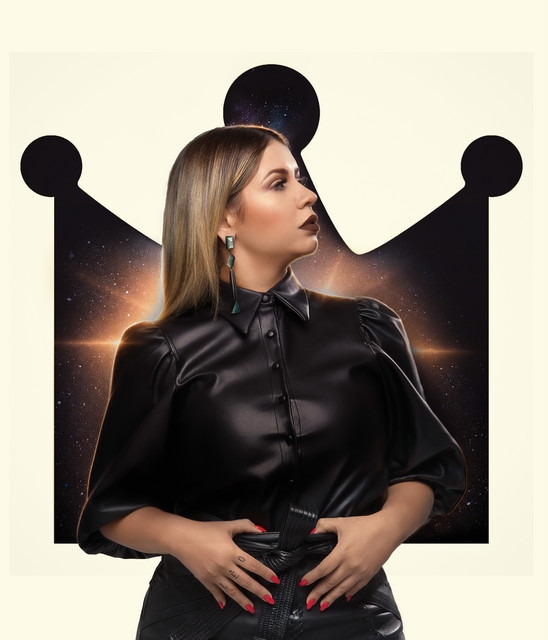
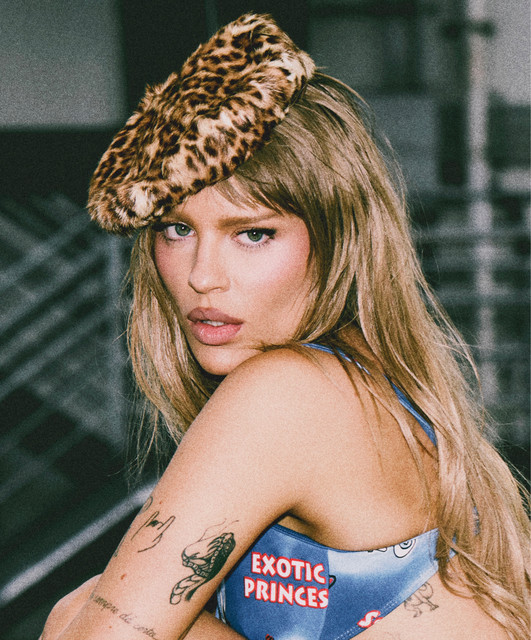
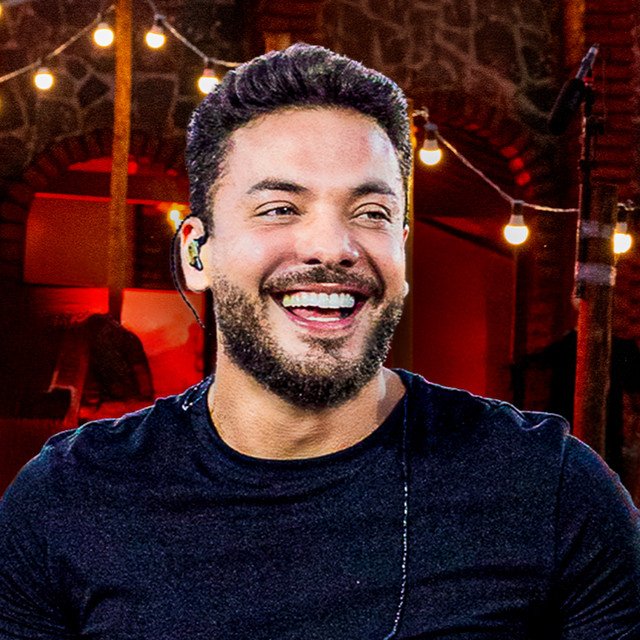
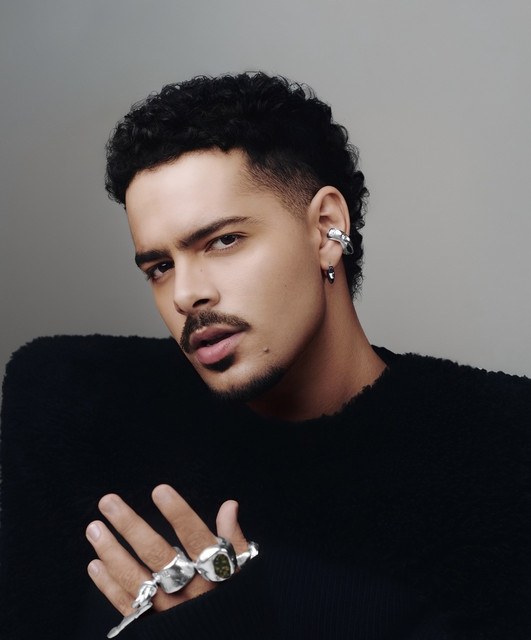
Top Artists from Brazil
Showing 25 of 2,268 artists









About Brazil
Brazil is a country of rhythms, a vast landscape where music lives in the air as much as in the venues. With an estimated population of about 214 million, it is one of the most culturally diverse nations on the planet, and its sounds mirror that richness. The music of Brazil is a sprawling tapestry, built from Afro-Brazilian traditions, European melodies, Indigenous chants, and the many flavors brought by waves of migration. It is a living genre creator, constantly remixing itself while remaining unmistakably Brazilian.
Samba remains the heartbeat of urban Brazil, a joyful, assertive groove that has traveled from Rio de Janeiro’s streets to stages around the world. Its percussion-driven foundation—surdos, caixas, tamborims—creates a collective feel that bursts into parades during Carnival, when the Sambódromo da Marquês de Sapucaí erupts in sequins, color, and thunderous rhythm. Choro, the “music of humor and technique,” offers intricate melodies and improvisation in clubs and small concert halls. In the Northeast, forró and baião carry candlelit dance-floor warmth, while sertanejo, often described as Brazil’s country music, commands vast arenas with sing-alongs and guitars.
Brazil’s most influential global export in the 1960s and 70s was Bossa Nova, a refined fusion of jazz harmonies with coastal mood. Antonio Carlos Jobim, João Gilberto, and Vinícius de Moraes helped popularize a sound that would reshape international pop and jazz. The later Tropicália movement, led by Caetano Veloso, Gilberto Gil, Gal Costa, and Os Mutantes, challenged conventions by blending rock, psychedelia, regional folk, and political commentary, leaving an indelible mark on global alternative music.
The contemporary Brazilian scene is a mosaic as well. In MPB (Música Popular Brasileira), artists like Milton Nascimento, Elis Regina, Djavan, and Caetano Veloso continue to explore lyrical depth and harmonious experimentation. In popular music, names such as Anitta, Ivete Sangalo, Ludmilla, and leaders of funk carioca—MCs and producers who pushed a dance-floor orientated, bass-forward sound—have carried Brazilian rhythms into clubs and streaming playlists worldwide. In the realms of rock and metal, bands like Sepultura and Angra garnered international followings, while hip-hop and rap have found voices in Emicida, Racionais MC’s, and Criolo, who weave sharp social commentary with innovative flows.
Brazil hosts some of the world’s most iconic music events. Rio de Janeiro’s Carnival is not just a party but a grand performance where samba schools compete with brass and percussion in a national spectacle. Rock in Rio, born in the 1980s, became a global festival symbolizing Brazil’s ability to host large-scale international lineups. Lollapalooza Brasil in São Paulo has brought a wide range of genres to larger audiences, connecting Brazilian fans with artists from around the world. Venues like Theatro Municipal do Rio de Janeiro and Theatro Municipal de São Paulo, as well as cultural spaces such as Sesc Pompeia and Ibirapuera’s Auditório, offer stages for everything from orchestral concerts to intimate singer‑songwriter sets.
Brazil’s music is not merely a catalog of styles; it’s a dynamic force that has influenced jazz, popular music worldwide, and the way rhythm drives social life.
Samba remains the heartbeat of urban Brazil, a joyful, assertive groove that has traveled from Rio de Janeiro’s streets to stages around the world. Its percussion-driven foundation—surdos, caixas, tamborims—creates a collective feel that bursts into parades during Carnival, when the Sambódromo da Marquês de Sapucaí erupts in sequins, color, and thunderous rhythm. Choro, the “music of humor and technique,” offers intricate melodies and improvisation in clubs and small concert halls. In the Northeast, forró and baião carry candlelit dance-floor warmth, while sertanejo, often described as Brazil’s country music, commands vast arenas with sing-alongs and guitars.
Brazil’s most influential global export in the 1960s and 70s was Bossa Nova, a refined fusion of jazz harmonies with coastal mood. Antonio Carlos Jobim, João Gilberto, and Vinícius de Moraes helped popularize a sound that would reshape international pop and jazz. The later Tropicália movement, led by Caetano Veloso, Gilberto Gil, Gal Costa, and Os Mutantes, challenged conventions by blending rock, psychedelia, regional folk, and political commentary, leaving an indelible mark on global alternative music.
The contemporary Brazilian scene is a mosaic as well. In MPB (Música Popular Brasileira), artists like Milton Nascimento, Elis Regina, Djavan, and Caetano Veloso continue to explore lyrical depth and harmonious experimentation. In popular music, names such as Anitta, Ivete Sangalo, Ludmilla, and leaders of funk carioca—MCs and producers who pushed a dance-floor orientated, bass-forward sound—have carried Brazilian rhythms into clubs and streaming playlists worldwide. In the realms of rock and metal, bands like Sepultura and Angra garnered international followings, while hip-hop and rap have found voices in Emicida, Racionais MC’s, and Criolo, who weave sharp social commentary with innovative flows.
Brazil hosts some of the world’s most iconic music events. Rio de Janeiro’s Carnival is not just a party but a grand performance where samba schools compete with brass and percussion in a national spectacle. Rock in Rio, born in the 1980s, became a global festival symbolizing Brazil’s ability to host large-scale international lineups. Lollapalooza Brasil in São Paulo has brought a wide range of genres to larger audiences, connecting Brazilian fans with artists from around the world. Venues like Theatro Municipal do Rio de Janeiro and Theatro Municipal de São Paulo, as well as cultural spaces such as Sesc Pompeia and Ibirapuera’s Auditório, offer stages for everything from orchestral concerts to intimate singer‑songwriter sets.
Brazil’s music is not merely a catalog of styles; it’s a dynamic force that has influenced jazz, popular music worldwide, and the way rhythm drives social life.