Country
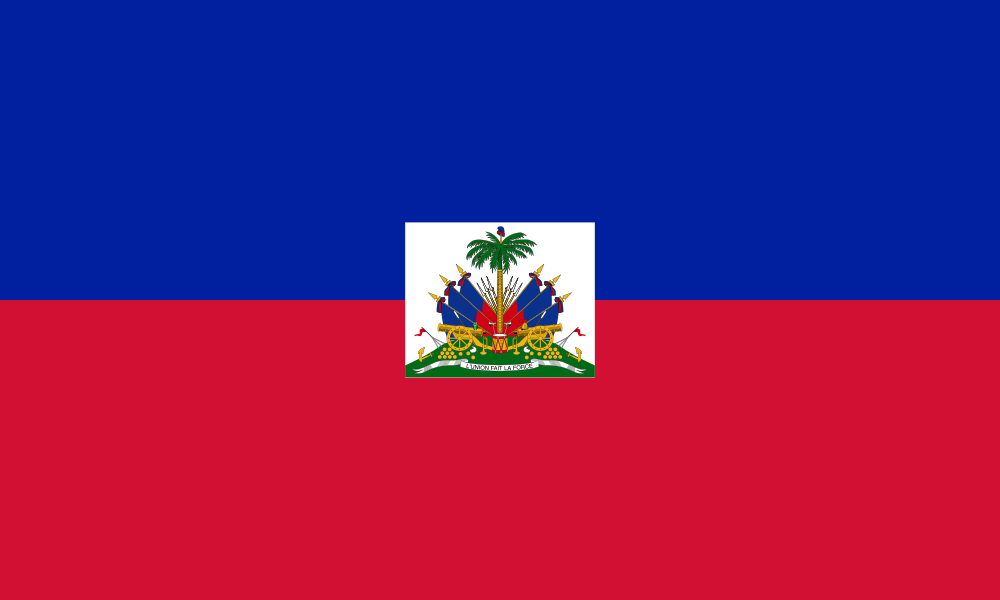
Haiti
Top Artists from Haiti
Showing 16 of 16 artists







About Haiti
Haiti sits at the western end of Hispaniola, a Caribbean nation where mountainous shorelines meet the sea and music is woven into daily life. With a population of about 11.5 million, the country pulses with rhythms that have traveled far beyond its shores. Port-au-Prince remains the epicenter of the scene, but vibrant sounds spill from Pétion-Ville, Cap-Haïtien, and towns along the southern coast. In a land that has weathered earthquakes, political upheaval, and resilience, music has become a language of unity, celebration, and storytelling—spoken in back-alley studios, sunlit market stages, and intimate neighborhood bars.
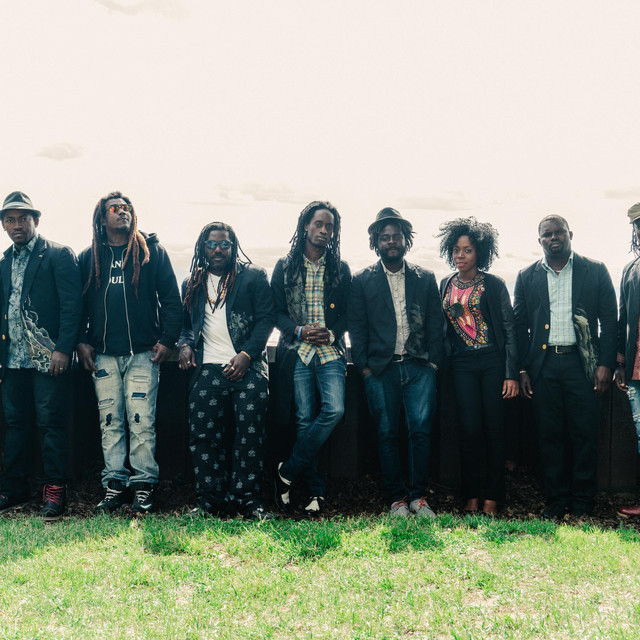
Musically, Haiti gave the world konpa (often written as konpa/compas), a danceable, horn-driven rhythm born in the 1950s when Nemours Jean-Baptiste fused folk-derived grooves with brass and guitars. The sound quickly spread through clubs and radio, shaping a nationwide dance culture and inspiring countless bands across the Caribbean. Rara, the street carnival sound that explodes during Easter, sweeps through neighborhoods with marching drums, bamboo horns, and a rousing call-and-response chorus. Mizik rasin, or “raisin music,” emerged in the late 1980s and 1990s as a bridge between voodoo-inflected percussion, rock, funk, and social commentary; Boukan Ginen and Boukman Eksperyans became emblematic voices of cultural resistance and renewal. Today’s Haitian sound often blends these roots with hip-hop, reggae, and world music influences, thriving in a dynamic diaspora that keeps the conversation alive across continents.
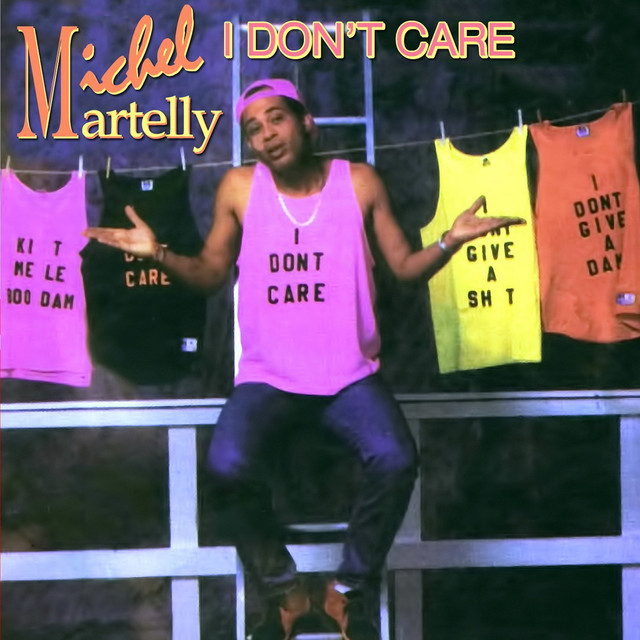
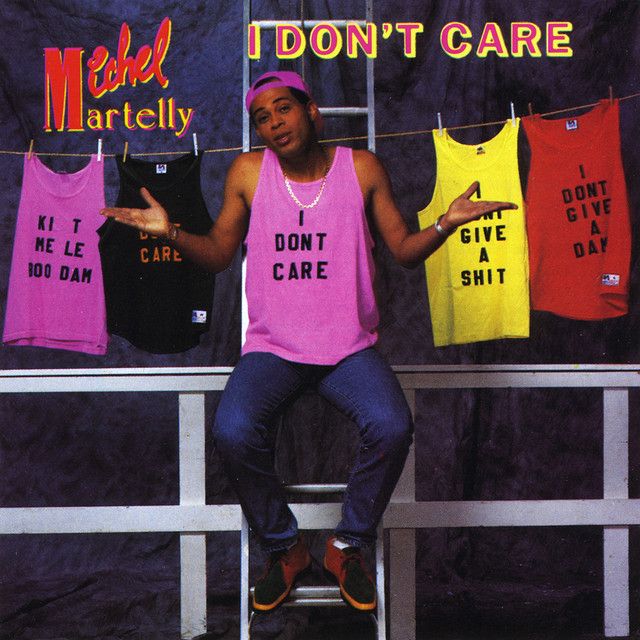
Among Haiti’s most famous figures are artists who carried local rhythms onto global stages. Wyclef Jean, born in Croix-des-Bossales, helped fuse Haitian musical textures with hip-hop through the Fugees and his solo work, expanding awareness of Haitian linguistic and melodic flavors. Emeline Michel’s soulful, powerful voice has become a global ambassador for Haitian song, earning audiences from Paris to Port-au-Prince. Michel Martelly, known as Sweet Micky, rose from popular music to become a prominent political figure, while his stage persona left an imprint on the lively concert culture that continues to thrive after his presidency. On the bands side, Tabou Combo and Magnum Band defined classic konpa with dense horn lines and infectious grooves that kept dance floors hopping for decades. Later generations—Carimi, Skah-Shah, and others—carried the tradition forward with contemporary productions and international collaborations. Across genres, Haitian rasin groups like RAM and Boukan Ginen maintained a vital link between music, history, and social commentary.
Live music thrives year-round. Kanaval, Haiti’s storied carnival season, floods the streets with extravagant costumes, street parades, and big-band performances, while rara processions echo through communities in the Holy Week lead-up and beyond. In the capital and its surroundings, legendary clubs, outdoor stages, and intimate venues host nightly shows that attract locals and visitors seeking the immediacy of Haitian sound. The country’s music is not merely entertainment—it is a living archive and a forward-looking engine, a testament to creativity and resilience.
Ultimately, Haiti’s music has shaped Caribbean styles, jazz, and modern popular music, and it continues to inspire artists worldwide through its relentless energy, storytelling voice, and unmistakable rhythm. For music lovers, the island offers a treasure trove of grooves, histories, and performances that invite deep listening and joyous dancing alike.
Musically, Haiti gave the world konpa (often written as konpa/compas), a danceable, horn-driven rhythm born in the 1950s when Nemours Jean-Baptiste fused folk-derived grooves with brass and guitars. The sound quickly spread through clubs and radio, shaping a nationwide dance culture and inspiring countless bands across the Caribbean. Rara, the street carnival sound that explodes during Easter, sweeps through neighborhoods with marching drums, bamboo horns, and a rousing call-and-response chorus. Mizik rasin, or “raisin music,” emerged in the late 1980s and 1990s as a bridge between voodoo-inflected percussion, rock, funk, and social commentary; Boukan Ginen and Boukman Eksperyans became emblematic voices of cultural resistance and renewal. Today’s Haitian sound often blends these roots with hip-hop, reggae, and world music influences, thriving in a dynamic diaspora that keeps the conversation alive across continents.
Among Haiti’s most famous figures are artists who carried local rhythms onto global stages. Wyclef Jean, born in Croix-des-Bossales, helped fuse Haitian musical textures with hip-hop through the Fugees and his solo work, expanding awareness of Haitian linguistic and melodic flavors. Emeline Michel’s soulful, powerful voice has become a global ambassador for Haitian song, earning audiences from Paris to Port-au-Prince. Michel Martelly, known as Sweet Micky, rose from popular music to become a prominent political figure, while his stage persona left an imprint on the lively concert culture that continues to thrive after his presidency. On the bands side, Tabou Combo and Magnum Band defined classic konpa with dense horn lines and infectious grooves that kept dance floors hopping for decades. Later generations—Carimi, Skah-Shah, and others—carried the tradition forward with contemporary productions and international collaborations. Across genres, Haitian rasin groups like RAM and Boukan Ginen maintained a vital link between music, history, and social commentary.
Live music thrives year-round. Kanaval, Haiti’s storied carnival season, floods the streets with extravagant costumes, street parades, and big-band performances, while rara processions echo through communities in the Holy Week lead-up and beyond. In the capital and its surroundings, legendary clubs, outdoor stages, and intimate venues host nightly shows that attract locals and visitors seeking the immediacy of Haitian sound. The country’s music is not merely entertainment—it is a living archive and a forward-looking engine, a testament to creativity and resilience.
Ultimately, Haiti’s music has shaped Caribbean styles, jazz, and modern popular music, and it continues to inspire artists worldwide through its relentless energy, storytelling voice, and unmistakable rhythm. For music lovers, the island offers a treasure trove of grooves, histories, and performances that invite deep listening and joyous dancing alike.