Country
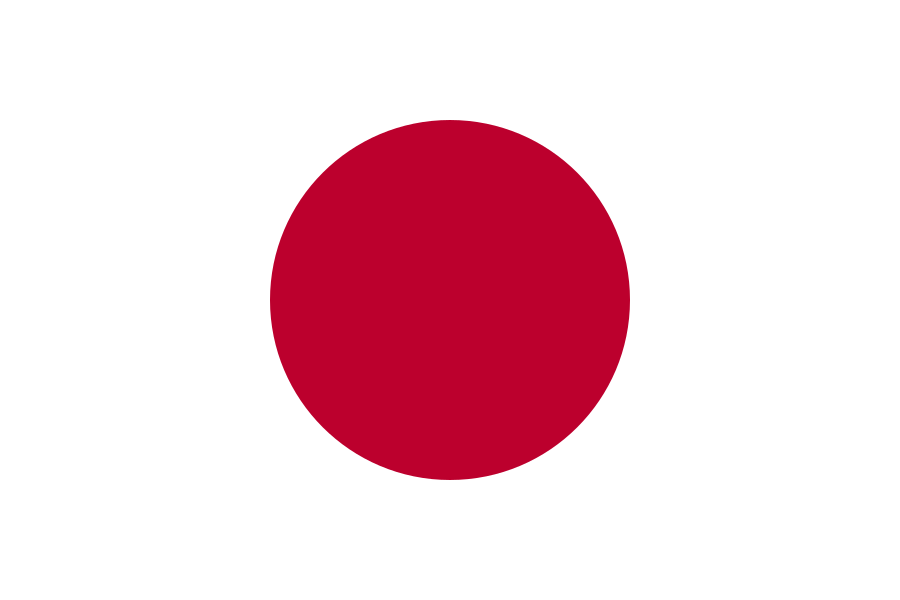
Japan
Top Artists from Japan
Showing 25 of 6,609 artists





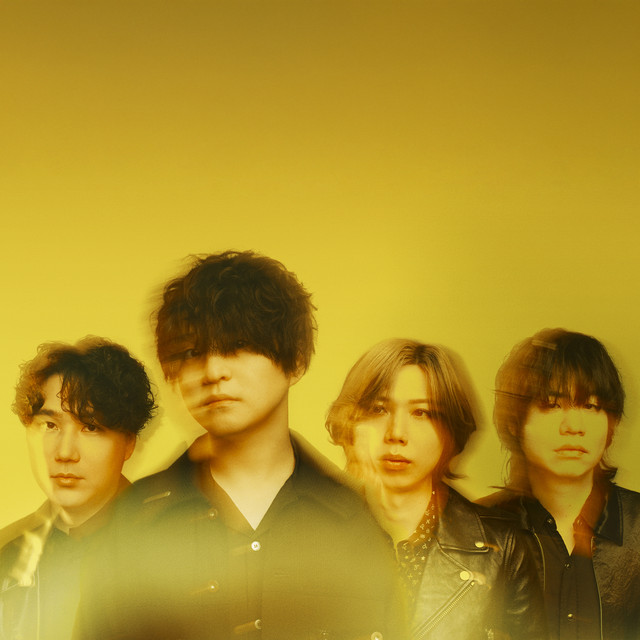
14

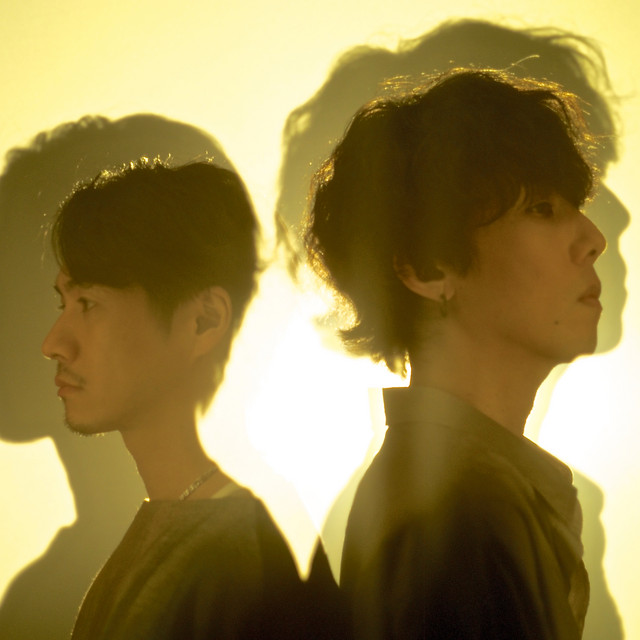
ヨルシカ
3.8 million
5.1 million listeners

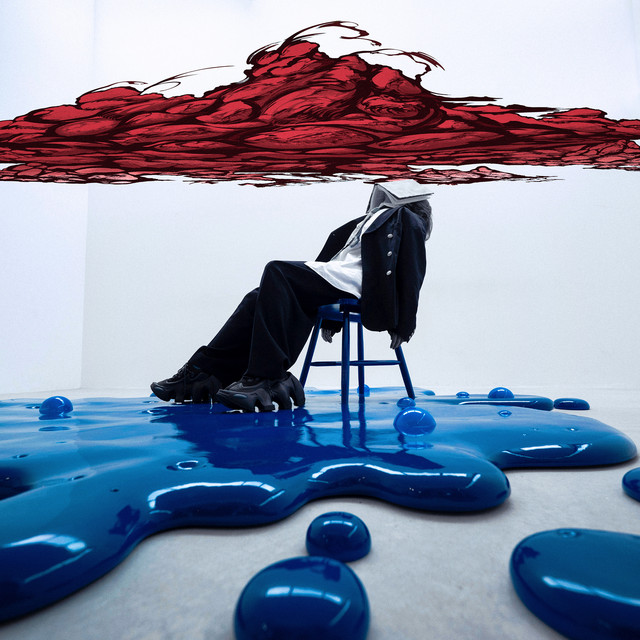
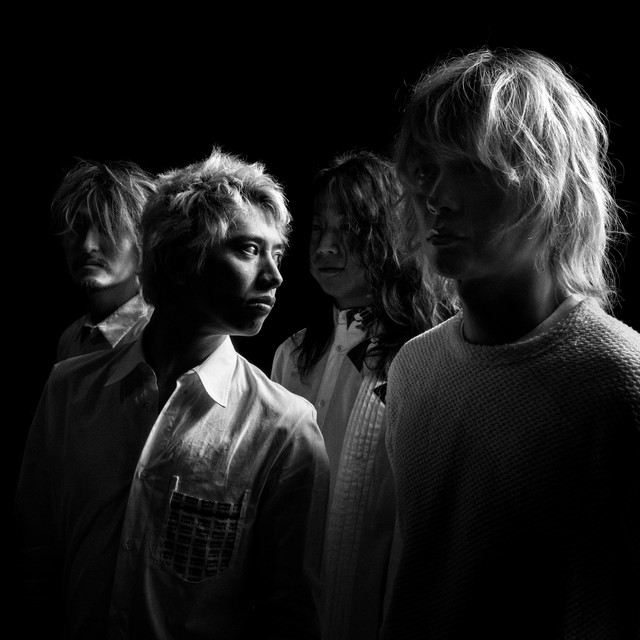
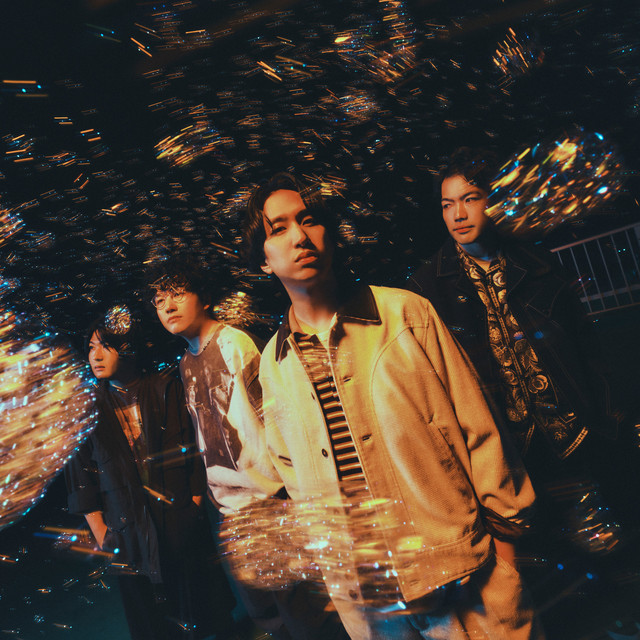
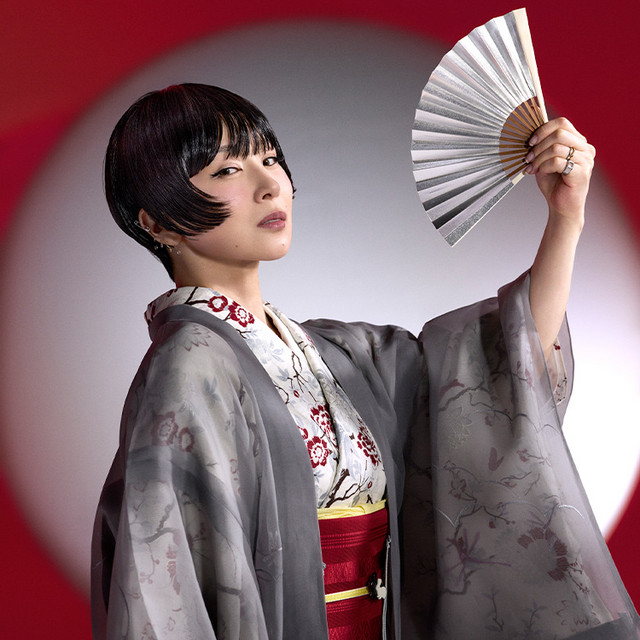

About Japan
Japan is a nation of contrasts where neon-lit streets and centuries-old temples sit side by side, and music travels from quiet corners to colossal stages with remarkable speed. Home to roughly 125 million people, Japan’s population fuels an exceptionally diverse and border-pushing sonic culture. From gagaku court music and shakuhachi meditation tunes to the electric pulse of contemporary J-Pop and cutting-edge electronic scenes, the country treats sound as a core part of daily life and ritual as well as a frontier for experimentation.
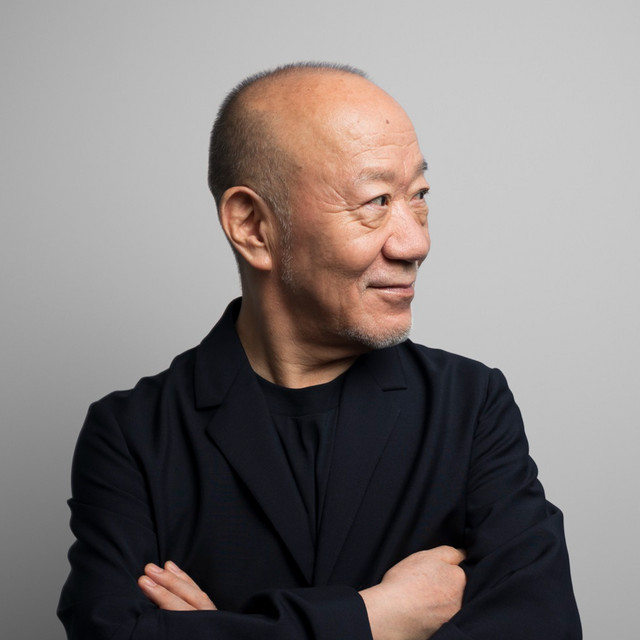
Historically, Japan’s musical DNA blends tradition with innovation. Ancient ensembles provided the soundtrack for ceremonial court life, while centuries of folk song, theater, and martial arts drumming preserved a lively regional vocabulary. In today’s urban centers, those roots braid with hypermodern forms: shimmering city pop of the late 1970s and 1980s, the shiny sheen of J-Pop, and the kinetic drive of J-Rock and visual kei. Japanese composers have long shaped film and animation music, with figures such as Joe Hisaishi and Ryuichi Sakamoto becoming international ambassadors for a sensibility that marries cinematic breadth with intimate detail.
For newcomers and veterans of the scene alike, Japan offers a gallery of artists who have helped redefine global sound. Utada Hikaru’s melodic sophistication bridged Japanese and Western pop, while Kenshi Yonezu has forged a lyrical universe that blends indie sensibility with pop accessibility. In rock’s broad spectrum, X Japan and B’z set stadium benchmarks, and L’Arc-en-Ciel’s anthems remain touchstones for generations. In the realm of experimental and electronic music, Yellow Magic Orchestra’s pioneering synth textures still echo in contemporary productions, and late-century icons like Cornelius helped forge the chic, eclectic “Shibuya-kei” mood that remains influential. The modern scene is rich with producers and artists who cross genres—Rin’ has a place in the indie vein, while Radwimps’ dynamic scores for anime films gained worldwide recognition. The Japanese rap and hip-hop communities, too, have grown into significant cultural currents through artists and producers who fuse jazz, rock, and pop with urban storytelling. And in the realm of cinema and anime, composers such as Yoko Kanno and Koji Kondo have become universal names.
Culturally, Japan hosts some of the world’s most important music events and venues. The Nippon Budokan in Tokyo remains a landmark for live performance and a symbol of cross-cultural exchange—The Beatles famously helped put it on the map in 1966. Major festivals such as Fuji Rock Festival in Naeba, Niigata, and Summer Sonic, a dual-city festival rotating between Tokyo and Osaka, bring international and Japanese acts into an explosive dialogue each year. On television and in concert halls, events like NHK’s Kōhaku Uta Gassen anchor the year in music for a broad audience. Jazz and blues communities thrive in Tokyo’s Cotton Club and Blue Note, while the city’s club scene—Womb, AgeHa, and smaller rooms—continues to nurture electronic music’s global edge. The country’s impact on music is not merely historical; it is a living, evolving force that continually shapes and reframes the way audiences engage with sound.
Historically, Japan’s musical DNA blends tradition with innovation. Ancient ensembles provided the soundtrack for ceremonial court life, while centuries of folk song, theater, and martial arts drumming preserved a lively regional vocabulary. In today’s urban centers, those roots braid with hypermodern forms: shimmering city pop of the late 1970s and 1980s, the shiny sheen of J-Pop, and the kinetic drive of J-Rock and visual kei. Japanese composers have long shaped film and animation music, with figures such as Joe Hisaishi and Ryuichi Sakamoto becoming international ambassadors for a sensibility that marries cinematic breadth with intimate detail.
For newcomers and veterans of the scene alike, Japan offers a gallery of artists who have helped redefine global sound. Utada Hikaru’s melodic sophistication bridged Japanese and Western pop, while Kenshi Yonezu has forged a lyrical universe that blends indie sensibility with pop accessibility. In rock’s broad spectrum, X Japan and B’z set stadium benchmarks, and L’Arc-en-Ciel’s anthems remain touchstones for generations. In the realm of experimental and electronic music, Yellow Magic Orchestra’s pioneering synth textures still echo in contemporary productions, and late-century icons like Cornelius helped forge the chic, eclectic “Shibuya-kei” mood that remains influential. The modern scene is rich with producers and artists who cross genres—Rin’ has a place in the indie vein, while Radwimps’ dynamic scores for anime films gained worldwide recognition. The Japanese rap and hip-hop communities, too, have grown into significant cultural currents through artists and producers who fuse jazz, rock, and pop with urban storytelling. And in the realm of cinema and anime, composers such as Yoko Kanno and Koji Kondo have become universal names.
Culturally, Japan hosts some of the world’s most important music events and venues. The Nippon Budokan in Tokyo remains a landmark for live performance and a symbol of cross-cultural exchange—The Beatles famously helped put it on the map in 1966. Major festivals such as Fuji Rock Festival in Naeba, Niigata, and Summer Sonic, a dual-city festival rotating between Tokyo and Osaka, bring international and Japanese acts into an explosive dialogue each year. On television and in concert halls, events like NHK’s Kōhaku Uta Gassen anchor the year in music for a broad audience. Jazz and blues communities thrive in Tokyo’s Cotton Club and Blue Note, while the city’s club scene—Womb, AgeHa, and smaller rooms—continues to nurture electronic music’s global edge. The country’s impact on music is not merely historical; it is a living, evolving force that continually shapes and reframes the way audiences engage with sound.