
Country
Palestinian Territory, Occupied
Top Artists from Palestinian Territory, Occupied
Showing 25 of 25 artists










About Palestinian Territory, Occupied
Palestinian Territory, Occupied is a land where sound travels across centuries, turning everyday life into a concert and memory into song. From the olive groves of the West Bank to the crowded shores of Gaza, music glides between the sacred and the secular, between protest and celebration. The core language is Arab music, grounded in maqam, microtonal nuance, and melodic improvisation. Yet the scene is multi-layered: dabke rhythms that grip a wedding floor, the precise clapping of hands, the darbuka’s punch, and the whisper of the ney and the oud. In cafés, classrooms, and makeshift studios, composers blend traditional instrumentation with contemporary beats, electronic textures, and cross-border collaborations. The result is a living, adaptable aesthetic that speaks to both local lived experience and global curiosity.
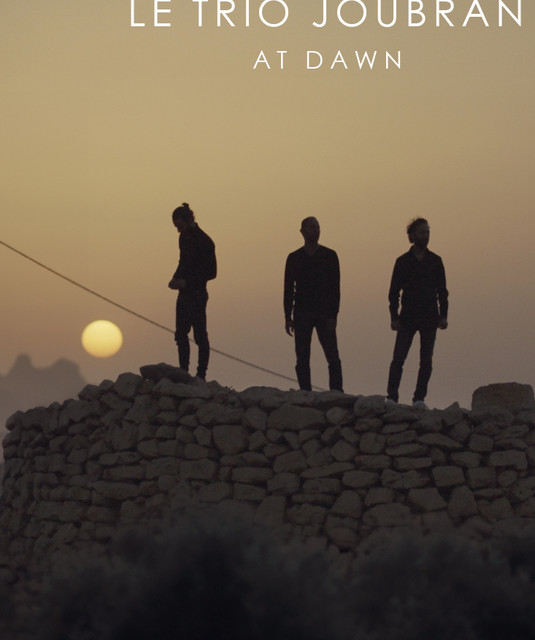
This music scene has produced artists who have touched audiences far beyond their borders. Mohammed Assaf, a Gaza-born singer, rose to fame by winning Arab Idol in 2013, demonstrating how a passion for folk-sounding ballads can connect with millions. Shadia Mansour, often called the “first lady of Palestinian rap,” uses bilingual rhymes to address identity, history, and resistance with intelligence and bite. Le Trio Joubran—three brothers known for their intimate oud playing—has taken Palestinian instrumental music to concert halls around the world, offering a spare, lyrical voice that sits at once ancient and contemporary. Kamilya Jubran, a vocalist and composer rooted in the Galilee, works across genres, weaving folk tradition with avant-garde textures and collaborating with artists in Europe and the Arab world. The hip-hop group DAM, born in a context of occupation and diaspora, has crafted sharp social critique that helped define Palestinian rap as a thoughtful, global conversation. These artists, among others, illuminate how Palestine’s sounds travel through diasporic networks, film scores, and world-music circuits, expanding the concept of what Middle Eastern music can be.
Venues and events reflect a culture of resilience and shared listening. Across Ramallah, Bethlehem, Nablus, and Gaza City, intimate clubs, cultural centers, and university spaces host concerts that range from shoebox-sized acoustic sets to full-band performances. Outdoor summer nights often bring open-air gigs, street performances, and spontaneous jam sessions that turn public squares into stages. Festivals and cultural programs—often organized by NGOs, universities, and arts collectives—showcase a spectrum from traditional folk songs to experimental electronic music, inviting audiences to hear how Palestinian identity is renegotiated through sound.
Population-wise, the Palestinian territories are home to roughly five million people, with Gaza hosting about two million and the West Bank around three million. This mix—dense urban centers, refugee communities, and a dynamic, globally connected youth culture—fuels a vibrant, multi-genre music scene. For music lovers, a visit here is a chance to hear deeply rooted melodies infuse modern production, and to meet artists who sing with courage, curiosity, and an insistence on cultural continuity. From street performances to studio collaborations with producers, Palestinian musicians continually push boundaries, inviting listeners to reflect on memory and hope. Their music is not only entertainment; it is testimony, solidarity, and a living archive for generations.
This music scene has produced artists who have touched audiences far beyond their borders. Mohammed Assaf, a Gaza-born singer, rose to fame by winning Arab Idol in 2013, demonstrating how a passion for folk-sounding ballads can connect with millions. Shadia Mansour, often called the “first lady of Palestinian rap,” uses bilingual rhymes to address identity, history, and resistance with intelligence and bite. Le Trio Joubran—three brothers known for their intimate oud playing—has taken Palestinian instrumental music to concert halls around the world, offering a spare, lyrical voice that sits at once ancient and contemporary. Kamilya Jubran, a vocalist and composer rooted in the Galilee, works across genres, weaving folk tradition with avant-garde textures and collaborating with artists in Europe and the Arab world. The hip-hop group DAM, born in a context of occupation and diaspora, has crafted sharp social critique that helped define Palestinian rap as a thoughtful, global conversation. These artists, among others, illuminate how Palestine’s sounds travel through diasporic networks, film scores, and world-music circuits, expanding the concept of what Middle Eastern music can be.
Venues and events reflect a culture of resilience and shared listening. Across Ramallah, Bethlehem, Nablus, and Gaza City, intimate clubs, cultural centers, and university spaces host concerts that range from shoebox-sized acoustic sets to full-band performances. Outdoor summer nights often bring open-air gigs, street performances, and spontaneous jam sessions that turn public squares into stages. Festivals and cultural programs—often organized by NGOs, universities, and arts collectives—showcase a spectrum from traditional folk songs to experimental electronic music, inviting audiences to hear how Palestinian identity is renegotiated through sound.
Population-wise, the Palestinian territories are home to roughly five million people, with Gaza hosting about two million and the West Bank around three million. This mix—dense urban centers, refugee communities, and a dynamic, globally connected youth culture—fuels a vibrant, multi-genre music scene. For music lovers, a visit here is a chance to hear deeply rooted melodies infuse modern production, and to meet artists who sing with courage, curiosity, and an insistence on cultural continuity. From street performances to studio collaborations with producers, Palestinian musicians continually push boundaries, inviting listeners to reflect on memory and hope. Their music is not only entertainment; it is testimony, solidarity, and a living archive for generations.