Genre
3 step
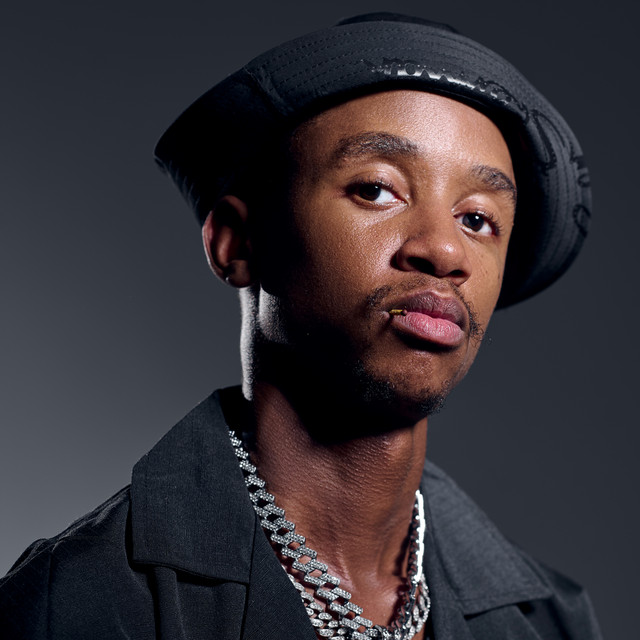
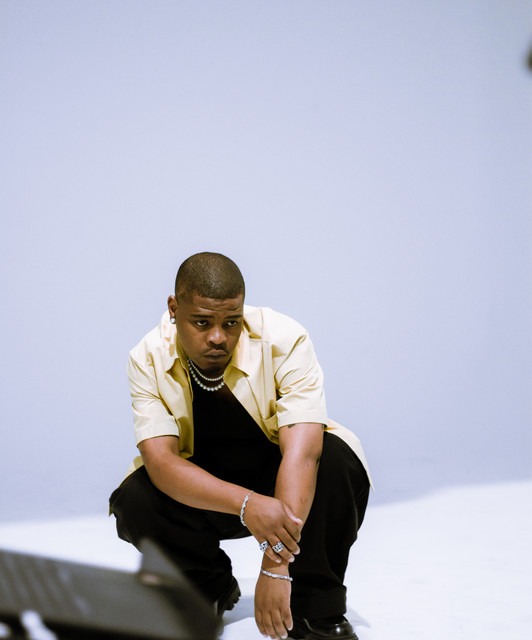
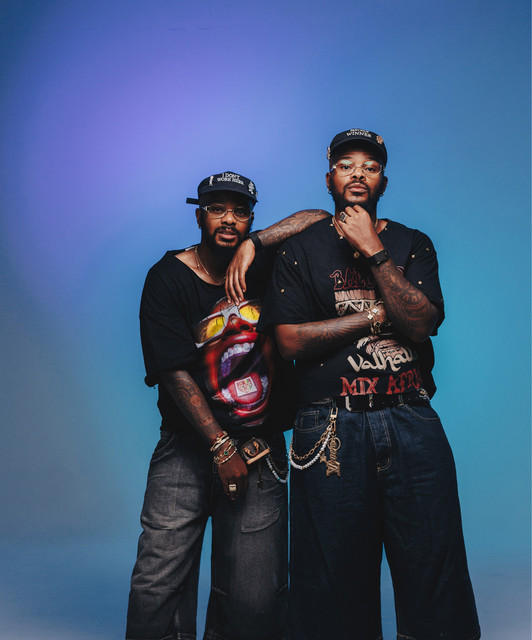
Top 3 step Artists
Showing 25 of 1,346 artists






















About 3 step
Three-step, or 3-step, is a distinctive branch of UK garage that carved out its own pocket in the late 1990s and early 2000s. It sits on the same family tree as 2-step and other garage offshoots, but it favors a more fractured, triplet-tinged groove that feels both urgent and hypnotic. If 2-step feels like a game of tic-tac-toe with offbeat riddims, 3-step feels like a jagged staircase: three quick beats shaping a four-beat bar, creating a rolling, jittery motion that invites a shoulder-shrugging head-nod from the dancefloor.
The defining sound of 3-step sits in its rhythm and texture. Drum patterns are broken and syncopated, with a triplet or three-beat feel that gives the groove a push-pull momentum. Tempo usually sits in the 135–142 BPM range, giving it more lift than midtempo house but still leaving room for a heavy, subby bass. Percussion is crisp and tactile—offbeat hi-hats, stuttering snares, and kicks that land with a deliberate, slightly delayed punch. Melodies can be spare, often built from short synth stabs, warm chord stabs, and vocal fragments cut to sound almost like short samples rather than full phrases. The basslines are deep and rounded, designed to rumble through club systems while leaving space for percussive detail to breathe. All of this creates a vibe that is simultaneously club-ready and intimate, drawing listeners into a pocket where the beat feels both swift and intimate.
Origins of 3-step trace back to the London and broader UK garage scenes at the turn of the millennium. It emerged as producers experimented beyond the smoother, more linear 2-step patterns, embracing darker atmospherics, sharper edits, and a more modular, triplet-driven rhythm. Pirate radio, late-night club nights, and small LABELs across the UK provided the incubator for the sound, which soon resonated with audiences in other parts of Europe and beyond. As with many UK garage offshoots, 3-step fed into the larger bass-forward movement that would influence later subgenres such as bassline and various strains of UK bass, while still maintaining its roots in the dancefloor-focused garage tradition.
Key artists and ambassadors often cited in discussions of 3-step include a cadre of producers and DJs who helped shape the sound in its early phase and kept it alive in later years. Early figures such as El-B and Zed Bias are frequently named for their role in pushing the garage-breakbeat vocabulary that 3-step rides on. Other contributors who helped popularize or furtively push the sound in the 2000s and beyond include Wookie and Groove Chronicles, who worked within the same sonic ecosystem, and later DJs like DJ Q and Brackles who kept the 3-step sensibility alive in club sets and new productions. While labels and scenes vary, the genre’s ambassadors have consistently emphasized the groove’s looseness, swing, and dancefloor efficacy.
Geographically, 3-step has found its strongest footing in the United Kingdom—especially in London, but also in other UK cities with vibrant garage scenes. It has also enjoyed appreciable followings in parts of Europe—Germany, the Netherlands, France, and beyond—where local scenes embraced the fractured rhythm and bass-forward aesthetics. In the age of online mixing and streaming, 3-step has accrued a global listening base, with enthusiasts in North America and Asia rediscovering or reinterpreting the sound through modern compilations, remixes, and new productions. For the curious listener, seeking out 3-step tracks is a doorway into a leg of UK garage that prizes swing, space, and a rolling three-beat drive.
The defining sound of 3-step sits in its rhythm and texture. Drum patterns are broken and syncopated, with a triplet or three-beat feel that gives the groove a push-pull momentum. Tempo usually sits in the 135–142 BPM range, giving it more lift than midtempo house but still leaving room for a heavy, subby bass. Percussion is crisp and tactile—offbeat hi-hats, stuttering snares, and kicks that land with a deliberate, slightly delayed punch. Melodies can be spare, often built from short synth stabs, warm chord stabs, and vocal fragments cut to sound almost like short samples rather than full phrases. The basslines are deep and rounded, designed to rumble through club systems while leaving space for percussive detail to breathe. All of this creates a vibe that is simultaneously club-ready and intimate, drawing listeners into a pocket where the beat feels both swift and intimate.
Origins of 3-step trace back to the London and broader UK garage scenes at the turn of the millennium. It emerged as producers experimented beyond the smoother, more linear 2-step patterns, embracing darker atmospherics, sharper edits, and a more modular, triplet-driven rhythm. Pirate radio, late-night club nights, and small LABELs across the UK provided the incubator for the sound, which soon resonated with audiences in other parts of Europe and beyond. As with many UK garage offshoots, 3-step fed into the larger bass-forward movement that would influence later subgenres such as bassline and various strains of UK bass, while still maintaining its roots in the dancefloor-focused garage tradition.
Key artists and ambassadors often cited in discussions of 3-step include a cadre of producers and DJs who helped shape the sound in its early phase and kept it alive in later years. Early figures such as El-B and Zed Bias are frequently named for their role in pushing the garage-breakbeat vocabulary that 3-step rides on. Other contributors who helped popularize or furtively push the sound in the 2000s and beyond include Wookie and Groove Chronicles, who worked within the same sonic ecosystem, and later DJs like DJ Q and Brackles who kept the 3-step sensibility alive in club sets and new productions. While labels and scenes vary, the genre’s ambassadors have consistently emphasized the groove’s looseness, swing, and dancefloor efficacy.
Geographically, 3-step has found its strongest footing in the United Kingdom—especially in London, but also in other UK cities with vibrant garage scenes. It has also enjoyed appreciable followings in parts of Europe—Germany, the Netherlands, France, and beyond—where local scenes embraced the fractured rhythm and bass-forward aesthetics. In the age of online mixing and streaming, 3-step has accrued a global listening base, with enthusiasts in North America and Asia rediscovering or reinterpreting the sound through modern compilations, remixes, and new productions. For the curious listener, seeking out 3-step tracks is a doorway into a leg of UK garage that prizes swing, space, and a rolling three-beat drive.