Genre
alabama rap
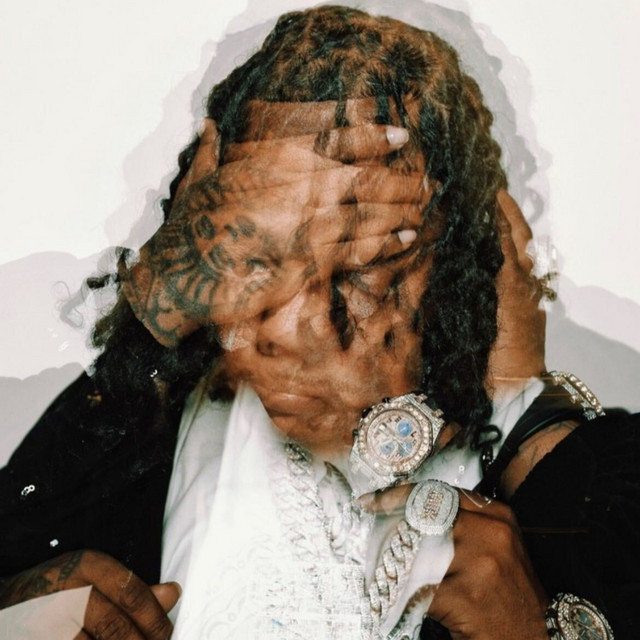
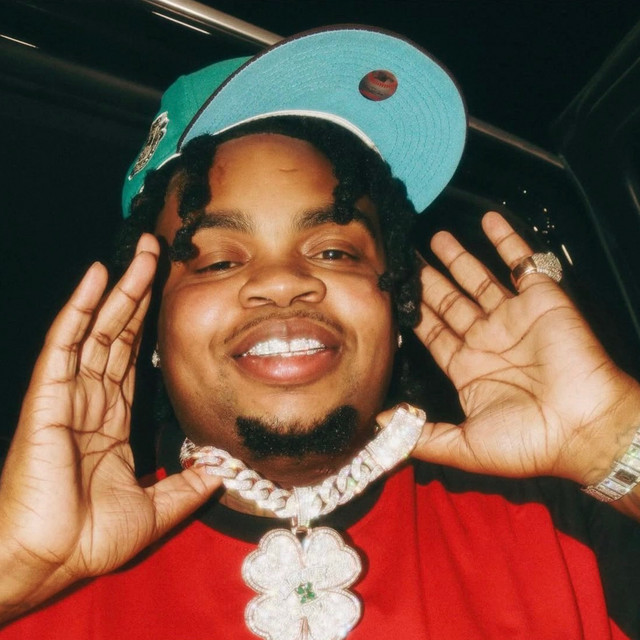
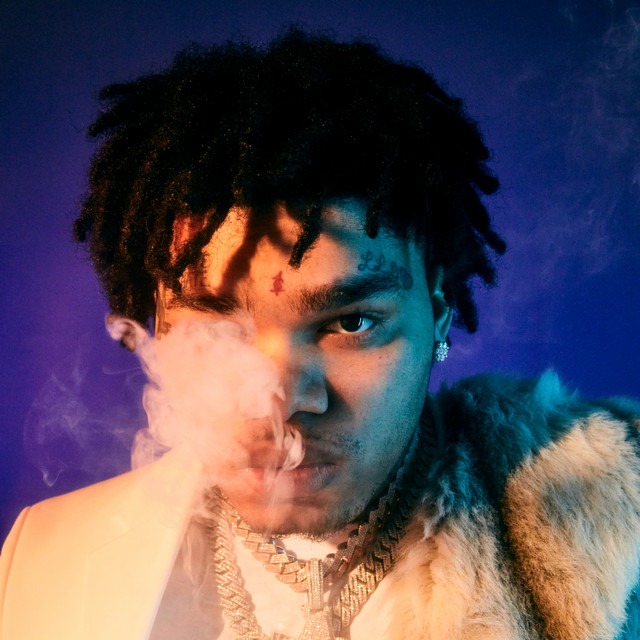
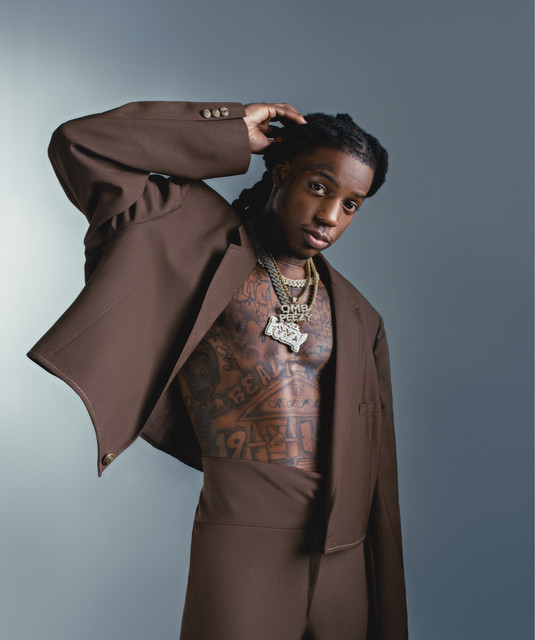
Top Alabama rap Artists
Showing 25 of 52 artists









About Alabama rap
Alabama rap is a distinctly Southern voice within the broader tapestry of American hip hop, rooted in the State of Alabama’s cityscapes and rural counterpoints. It emerged as part of the Dirty South expansion in the late 1990s and early 2000s, when regional scenes around Birmingham, Mobile, Montgomery, and Huntsville began to coalesce their own street narratives, production styles, and slang. Like many regional scenes, it grew from local clubs, mixtapes, and independent labels, then rode the online turn toward wider recognition in the 2010s. The sound has always been about resilience and charisma: gritty storytelling delivered over heavy 808s, snap-laden snares, and lean melodic hooks that can switch from hard-edged raps to sing-song refrains in a heartbeat.
Musically, Alabama rap sits at the crossroads of traditional Southern storytelling and modern trap sensibilities. You hear punchy drum machines, booming bass, and sparse, hypnotic melodies that invite both raucous club energy and intimate head-nod listening. The genre often foregrounds real-life color: neighborhoods, cars, family, work, and the daily grind. It borrows from the broader Gulf Coast and Deep South vibes—music that makes you feel the heat, the street, and the slow burn of ambition. While the production can lean rugged and streetwise, Alabama rap has also embraced melodic cues and more polished studio work as streaming platforms have expanded artists’ reach beyond the state lines.
Two names frequently cited as ambassadors of Alabama rap are Rich Boy and Yung Bleu. Rich Boy, a Mobile native, burst into national consciousness in the mid-2000s with a swaggering, club-ready style that helped put Alabama on the map for many listeners outside the region. Yung Bleu, also from Mobile, carried the banner into the streaming era with tighter melodies, shared collaborations, and a broader mainstream presence in the late 2010s and beyond. Beyond these figures, the state has nurtured a number of rising acts across Birmingham, Montgomery, and other hubs, many of whom operate in the same space—combining local pride with wider ambitions and collaborating with producers and artists from the broader Southern scene.
In terms of reception, Alabama rap remains strongest within the United States, particularly across the Southeast, where shared cultural references and dialects help the music resonate. Its international footprint is more niche but real, aided by global streaming and social media that connect fans of Southern hip hop from Europe to Africa and the Caribbean. The genre is less about one single breakout moment and more about a distributed, evolving ecosystem: DIY mixtapes, independent labels, cross-state collaborations, and a steady stream of tracks that reflect Alabama’s unique vantage point within the American South.
Today’s Alabama rap is a living, evolving chapter of Southern hip hop—rooted in local ground, yet accessible to the world through a combination of raw storytelling, confident delivery, and the universal language of a hard-hitting beat. For enthusiasts, it’s a reminder that the heart of the South has more to say than ever before, delivered with the grit and nuance that only Alabama rappers can bring.
Musically, Alabama rap sits at the crossroads of traditional Southern storytelling and modern trap sensibilities. You hear punchy drum machines, booming bass, and sparse, hypnotic melodies that invite both raucous club energy and intimate head-nod listening. The genre often foregrounds real-life color: neighborhoods, cars, family, work, and the daily grind. It borrows from the broader Gulf Coast and Deep South vibes—music that makes you feel the heat, the street, and the slow burn of ambition. While the production can lean rugged and streetwise, Alabama rap has also embraced melodic cues and more polished studio work as streaming platforms have expanded artists’ reach beyond the state lines.
Two names frequently cited as ambassadors of Alabama rap are Rich Boy and Yung Bleu. Rich Boy, a Mobile native, burst into national consciousness in the mid-2000s with a swaggering, club-ready style that helped put Alabama on the map for many listeners outside the region. Yung Bleu, also from Mobile, carried the banner into the streaming era with tighter melodies, shared collaborations, and a broader mainstream presence in the late 2010s and beyond. Beyond these figures, the state has nurtured a number of rising acts across Birmingham, Montgomery, and other hubs, many of whom operate in the same space—combining local pride with wider ambitions and collaborating with producers and artists from the broader Southern scene.
In terms of reception, Alabama rap remains strongest within the United States, particularly across the Southeast, where shared cultural references and dialects help the music resonate. Its international footprint is more niche but real, aided by global streaming and social media that connect fans of Southern hip hop from Europe to Africa and the Caribbean. The genre is less about one single breakout moment and more about a distributed, evolving ecosystem: DIY mixtapes, independent labels, cross-state collaborations, and a steady stream of tracks that reflect Alabama’s unique vantage point within the American South.
Today’s Alabama rap is a living, evolving chapter of Southern hip hop—rooted in local ground, yet accessible to the world through a combination of raw storytelling, confident delivery, and the universal language of a hard-hitting beat. For enthusiasts, it’s a reminder that the heart of the South has more to say than ever before, delivered with the grit and nuance that only Alabama rappers can bring.