Genre
vocal jazz
Top Vocal jazz Artists
Showing 25 of 2,554 artists



About Vocal jazz
Vocal jazz is the art of singing within the jazz tradition, where the voice serves as both melody carrier and improvising instrument. It values phrasing, timing, color, and storytelling as much as technical prowess. A great vocal jazz performance feels like a conversation, with the singer negotiating tempo, harmony, and space with the accompanying piano, bass, drums, and horns.
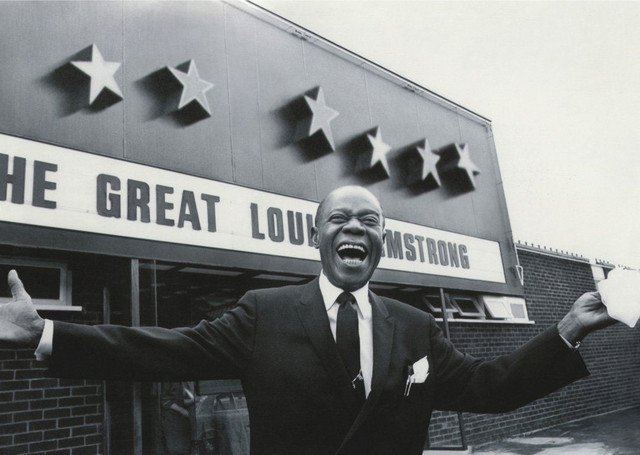
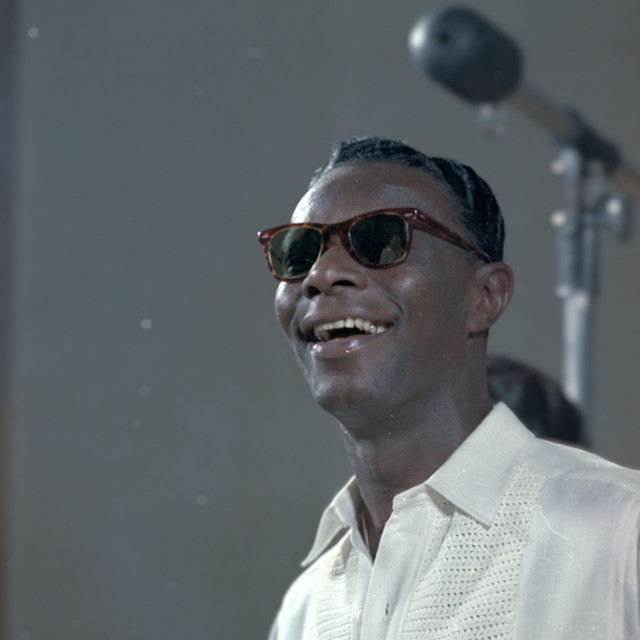
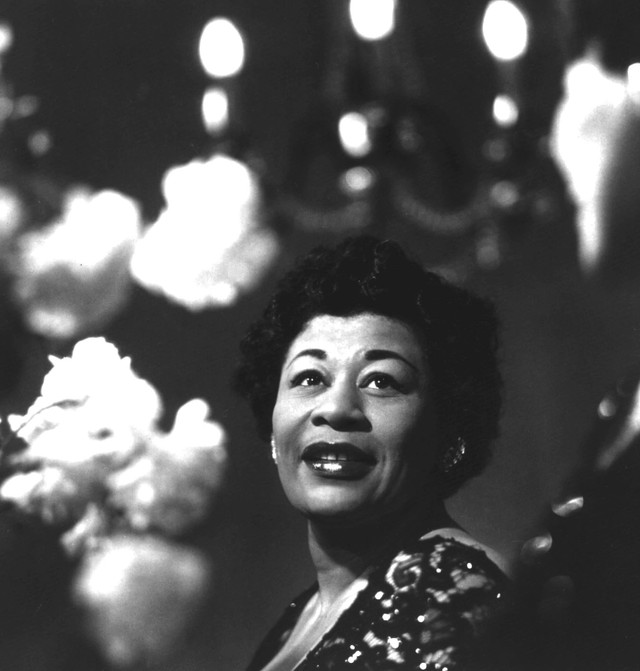
Its roots lie in the early 20th century, in New Orleans and the broader American South, where blues, spirituals, and vaudeville fused with the nascent jazz language. By the 1920s and 1930s, as recordings and radio spread, confident vocalists began to define what a jazz singer could be. Billie Holiday arrived with a bruised, intimate intensity that could bend a lyric to its emotional core; Ethel Waters combined blues sensibility with swing timing; Louis Armstrong’s voice helped shape the cadence of a song in tandem with his horn. As the big-band era blossomed, the art of vocal interpretation reached new heights with Ella Fitzgerald, whose luminous technique, precise diction, and expansive range set a gold standard, and with Sarah Vaughan, whose velvet tone and extraordinary control redefined virtuosity in song. Nat King Cole demonstrated how a pianist’s sensibility could breathe elegance into a vocal line, bringing jazz-inflected repertoire to wider pop audiences.
The postwar period saw further innovation. Bebop and beyond opened doors to faster, more playful approaches to melodies, while vocalese—turning instrumental solos into lyrics—pioneered by Lambert, Hendricks & Ross—proved the voice could inhabit the same improvisational space as horns and reeds. Singers such as Nina Simone brought political engagement and dramatic intensity to the form; Julie London offered a smoky, intimate style that could melt into a midnight mood; Chet Baker, though primarily known as a trumpet player, also left a lasting mark as a fragile, lyrical vocalist. The Great American Songbook—compositions by Gershwin, Porter, Berlin, and their peers—remains a central repository, inviting personal interpretation and subtle reinvention through rhythm, phrasing, and mood.
Ambassadors of vocal jazz span eras and continents. In the classic period, Holiday, Fitzgerald, Vaughan, and Cole helped popularize jazz standards around the world. In later decades, Frank Sinatra, Ella’s contemporary in spirit if not genre, and later Diana Krall, Cassandra Wilson, Kurt Elling, Gregory Porter, and Cécile McLorin Salvant became custodians of the tradition, each adding their own voice to the ongoing dialogue between singer, song, and swing.
Globally, vocal jazz found especially fertile ground in the United States, where it began, but it also flourished across Europe—Britain, France, and the Nordic countries cultivating a robust scene—and in Japan and other parts of Asia, where dedicated clubs, festivals, and devoted audiences keep it vital. The genre thrives on live performance—an intimate, interactive art—yet also benefits from studio craftsmanship, where arrangements, groove, and sonic clarity illuminate the singer’s interpretive choices.
For enthusiasts, vocal jazz offers a journey through emotion, culture, and virtuosity. It celebrates the human voice as a powerful instrument of improvisation and connection, capable of swinging with the band or speaking softly to a listener’s heart.
Its roots lie in the early 20th century, in New Orleans and the broader American South, where blues, spirituals, and vaudeville fused with the nascent jazz language. By the 1920s and 1930s, as recordings and radio spread, confident vocalists began to define what a jazz singer could be. Billie Holiday arrived with a bruised, intimate intensity that could bend a lyric to its emotional core; Ethel Waters combined blues sensibility with swing timing; Louis Armstrong’s voice helped shape the cadence of a song in tandem with his horn. As the big-band era blossomed, the art of vocal interpretation reached new heights with Ella Fitzgerald, whose luminous technique, precise diction, and expansive range set a gold standard, and with Sarah Vaughan, whose velvet tone and extraordinary control redefined virtuosity in song. Nat King Cole demonstrated how a pianist’s sensibility could breathe elegance into a vocal line, bringing jazz-inflected repertoire to wider pop audiences.
The postwar period saw further innovation. Bebop and beyond opened doors to faster, more playful approaches to melodies, while vocalese—turning instrumental solos into lyrics—pioneered by Lambert, Hendricks & Ross—proved the voice could inhabit the same improvisational space as horns and reeds. Singers such as Nina Simone brought political engagement and dramatic intensity to the form; Julie London offered a smoky, intimate style that could melt into a midnight mood; Chet Baker, though primarily known as a trumpet player, also left a lasting mark as a fragile, lyrical vocalist. The Great American Songbook—compositions by Gershwin, Porter, Berlin, and their peers—remains a central repository, inviting personal interpretation and subtle reinvention through rhythm, phrasing, and mood.
Ambassadors of vocal jazz span eras and continents. In the classic period, Holiday, Fitzgerald, Vaughan, and Cole helped popularize jazz standards around the world. In later decades, Frank Sinatra, Ella’s contemporary in spirit if not genre, and later Diana Krall, Cassandra Wilson, Kurt Elling, Gregory Porter, and Cécile McLorin Salvant became custodians of the tradition, each adding their own voice to the ongoing dialogue between singer, song, and swing.
Globally, vocal jazz found especially fertile ground in the United States, where it began, but it also flourished across Europe—Britain, France, and the Nordic countries cultivating a robust scene—and in Japan and other parts of Asia, where dedicated clubs, festivals, and devoted audiences keep it vital. The genre thrives on live performance—an intimate, interactive art—yet also benefits from studio craftsmanship, where arrangements, groove, and sonic clarity illuminate the singer’s interpretive choices.
For enthusiasts, vocal jazz offers a journey through emotion, culture, and virtuosity. It celebrates the human voice as a powerful instrument of improvisation and connection, capable of swinging with the band or speaking softly to a listener’s heart.