Genre
australian singer-songwriter
Top Australian singer-songwriter Artists
Showing 25 of 42 artists
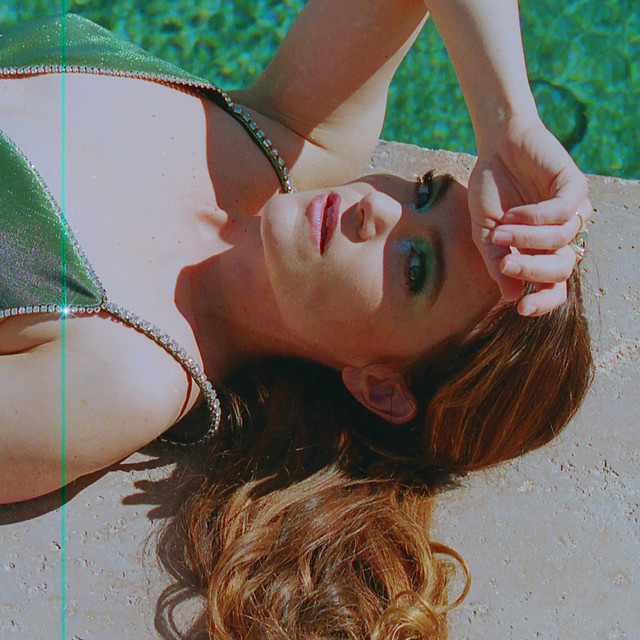
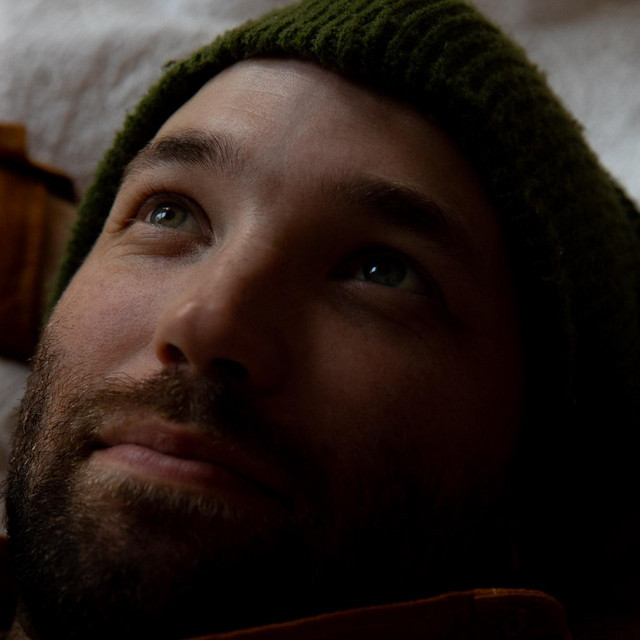

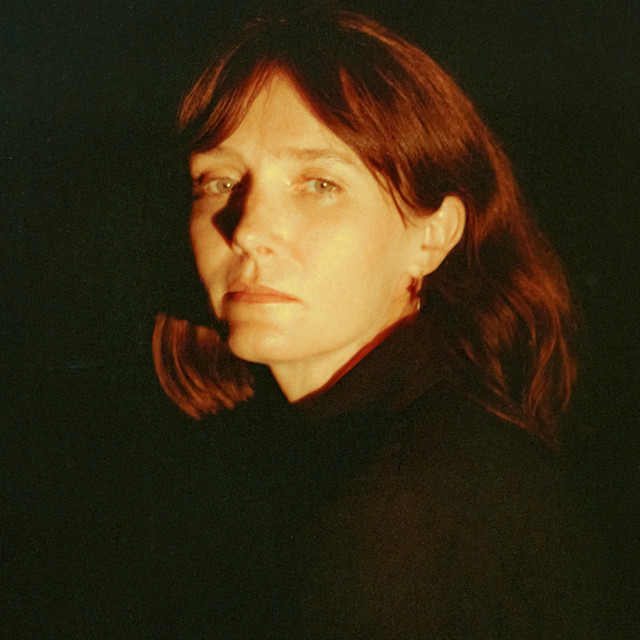
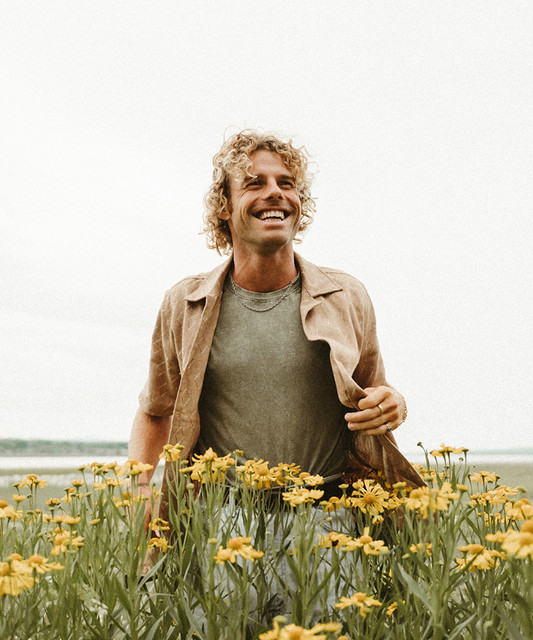






About Australian singer-songwriter
Australian singer-songwriter is a broad, mood-rich umbrella term for Australian artists who write, sing, and perform their own material across folk, indie, roots, alt-country, and intimate pop textures. It’s less a single style than a national storytelling tradition: songs that foreground keen observation, personal lyricism, and a strong sense of place—whether coastal cityscapes, red-dirt outback, or intimate living rooms.
Origins run deep. The seeds lie in Australia’s bush ballad and folk-lineage from the 19th and early 20th centuries, where poets and storytellers chronicled frontier life and everyday Australian experiences. In the postwar era, a broader folk revival helped cultivate a generation of songwriters who could craft personal, narrative-driven tunes. By the late 20th century, a distinctly Australian voice emerged within the global singer-songwriter milieu: artists who combined storytelling with a local sensibility and a willingness to experiment with arrangement. The modern scene especially took root in Melbourne, Sydney, and broader regional hubs, where intimate venues and strong independent networks nurtured sparse, direct songwriting and the DIY ethos.
Today’s Australian singer-songwriters span a spectrum—from hushed acoustic confessionals to electric-lit, drum-forward confessions. At one end you’ll find country-inflected storytellers and roots musicians who sketch character studies in honest, unadorned verse; at the other, indie or pop artists who fuse witty lyricism with memorable melodies. The through-line, however, remains the same: artists who write the material, sing with personal voice, and invite listeners into a space of reflection, narrative, and emotional honesty.
Key artists and ambassadors give you a map of the terrain. Paul Kelly stands as one of the most revered figures—often described as Australia’s troubadour—whose career spans decades and whose songs illuminate Australian life with crisp storytelling and social insight. Nick Cave, with the Bad Seeds, reimagined dark, literate storytelling for a global audience and remains a towering influence on lyric-driven songwriting. Courtney Barnett burst onto the scene with a deadpan, witty speaking-sung style that turned everyday observations into sharp, infectious anthems and helped redefine contemporary Australian songwriting on the international stage. Kasey Chambers exemplifies the country-leaning branch of the genre, blending roots, storytelling, and a warmly intimate voice. Sia, too, while widely known for pop anthems, began as a songwriter-performer crafting deeply personal, vocally cinematic material that resonated well beyond Australia. Gotye and Missy Higgins have also played ambassadorial roles, bringing Australian singer-songwriter sensibilities to broad, global audiences. Indigenous voices like Archie Roach remind listeners of the vital, ongoing stories embedded in Australia’s musical storytelling.
Where is it most popular? Domestically, the genre enjoys a deep, enduring resonance in Australia, supported by ARIA recognition, radio exposure, and a thriving live scene of festivals and intimate venues. Internationally, many artists find receptive audiences in the United States, the United Kingdom, Europe, and parts of Asia, especially within indie and singer-songwriter circuits. The rise of streaming has amplified discovery, enabling a wider global conversation around Australian storytelling through music.
If you’re new to the genre, start with Paul Kelly’s literary craft, Courtney Barnett’s observational wit, Missy Higgins’s earnest warmth, and Courtney Barnett’s collaborators around indie rock. From there, you’ll hear how Australian singer-songwriters balance place, memory, and voice—an artful blend that remains refreshingly intimate even as it travels far beyond Australia’s shores.
Origins run deep. The seeds lie in Australia’s bush ballad and folk-lineage from the 19th and early 20th centuries, where poets and storytellers chronicled frontier life and everyday Australian experiences. In the postwar era, a broader folk revival helped cultivate a generation of songwriters who could craft personal, narrative-driven tunes. By the late 20th century, a distinctly Australian voice emerged within the global singer-songwriter milieu: artists who combined storytelling with a local sensibility and a willingness to experiment with arrangement. The modern scene especially took root in Melbourne, Sydney, and broader regional hubs, where intimate venues and strong independent networks nurtured sparse, direct songwriting and the DIY ethos.
Today’s Australian singer-songwriters span a spectrum—from hushed acoustic confessionals to electric-lit, drum-forward confessions. At one end you’ll find country-inflected storytellers and roots musicians who sketch character studies in honest, unadorned verse; at the other, indie or pop artists who fuse witty lyricism with memorable melodies. The through-line, however, remains the same: artists who write the material, sing with personal voice, and invite listeners into a space of reflection, narrative, and emotional honesty.
Key artists and ambassadors give you a map of the terrain. Paul Kelly stands as one of the most revered figures—often described as Australia’s troubadour—whose career spans decades and whose songs illuminate Australian life with crisp storytelling and social insight. Nick Cave, with the Bad Seeds, reimagined dark, literate storytelling for a global audience and remains a towering influence on lyric-driven songwriting. Courtney Barnett burst onto the scene with a deadpan, witty speaking-sung style that turned everyday observations into sharp, infectious anthems and helped redefine contemporary Australian songwriting on the international stage. Kasey Chambers exemplifies the country-leaning branch of the genre, blending roots, storytelling, and a warmly intimate voice. Sia, too, while widely known for pop anthems, began as a songwriter-performer crafting deeply personal, vocally cinematic material that resonated well beyond Australia. Gotye and Missy Higgins have also played ambassadorial roles, bringing Australian singer-songwriter sensibilities to broad, global audiences. Indigenous voices like Archie Roach remind listeners of the vital, ongoing stories embedded in Australia’s musical storytelling.
Where is it most popular? Domestically, the genre enjoys a deep, enduring resonance in Australia, supported by ARIA recognition, radio exposure, and a thriving live scene of festivals and intimate venues. Internationally, many artists find receptive audiences in the United States, the United Kingdom, Europe, and parts of Asia, especially within indie and singer-songwriter circuits. The rise of streaming has amplified discovery, enabling a wider global conversation around Australian storytelling through music.
If you’re new to the genre, start with Paul Kelly’s literary craft, Courtney Barnett’s observational wit, Missy Higgins’s earnest warmth, and Courtney Barnett’s collaborators around indie rock. From there, you’ll hear how Australian singer-songwriters balance place, memory, and voice—an artful blend that remains refreshingly intimate even as it travels far beyond Australia’s shores.