Genre
bebop
Top Bebop Artists
Showing 25 of 1,262 artists
About Bebop
Bebop is jazz’s rebellious grammar: a music of rapid-fire lines, intricate harmonies, and a tension between intellect and feeling that rewrote what jazz could be. Born in the early to mid-1940s in New York City’s after-hours clubs and jam sessions, bebop grew out of the swing era’s big bands but quickly left the dance floor behind in favor of virtuosic exploration. Its birthplace is often traced to Harlem and especially the famed Minton’s Playhouse and the chemistry on 52nd Street, where players experimented after the formal gigs had ended. What emerged was not a dance tempo but a language: small combos, complex chords, and lines that zigzag through changes with dizzying speed.
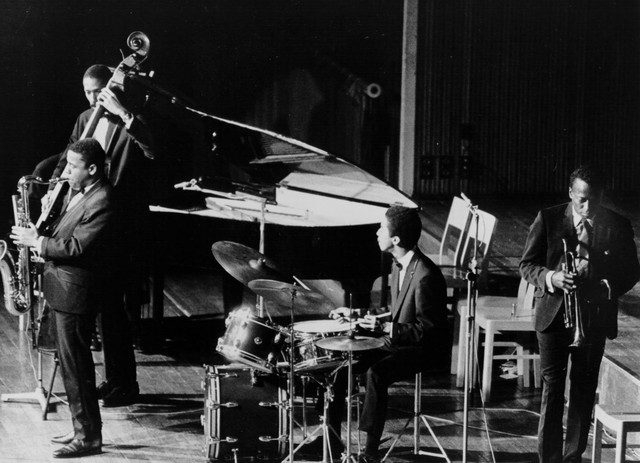
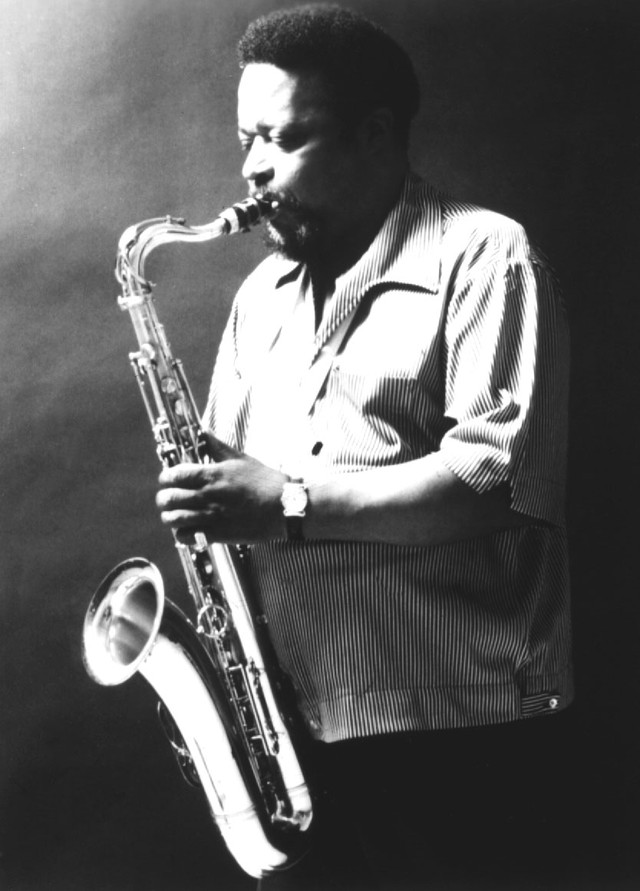
Musically, bebop favors speed and precision, but its real signature is the way melodic invention rides over sophisticated chord progressions. Instead of simply improvising over a familiar head, players developed rapid-fire solos that mounted chromatic runs, sudden rhythmic shifts, and altered dominants. The harmony pushes beyond the simpler two- and four-bar progressions of swing, often using extended chords, substitutions, and altered tones. The result is music that sounds intensely improvisatory, almost conversational, yet tightly organized around the tune’s underlying changes. Instrumentation settled into compact ensembles—trumpet, alto or tenor sax, piano, bass, and drums—though the arena of expression was global: players spoke in a new, agile bebop vocabulary.
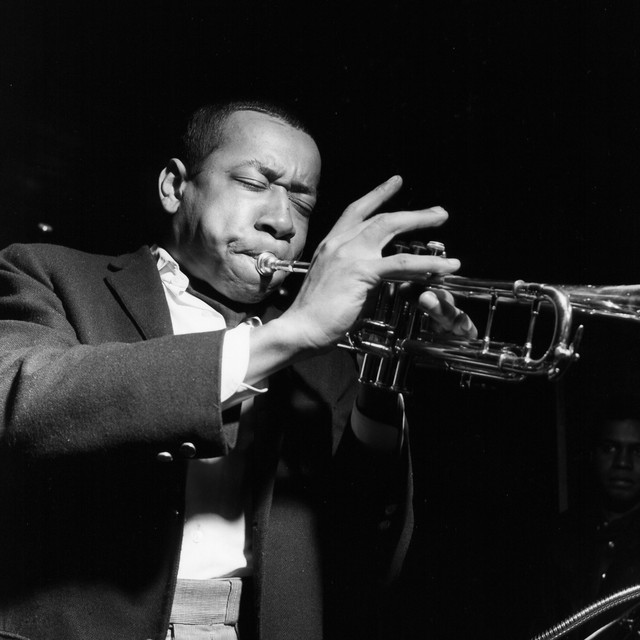
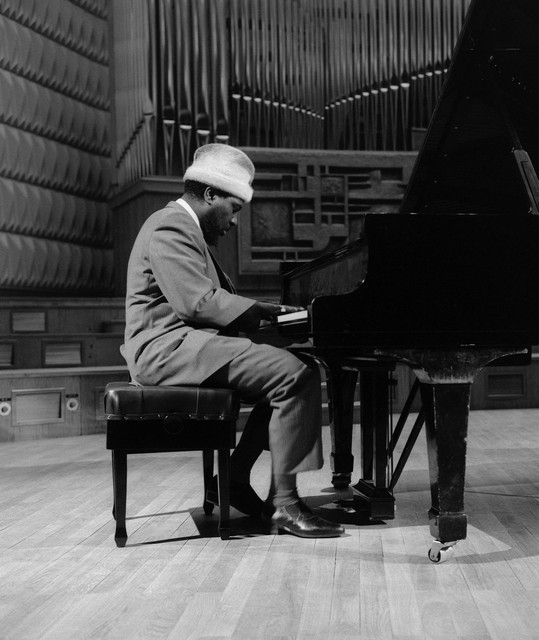
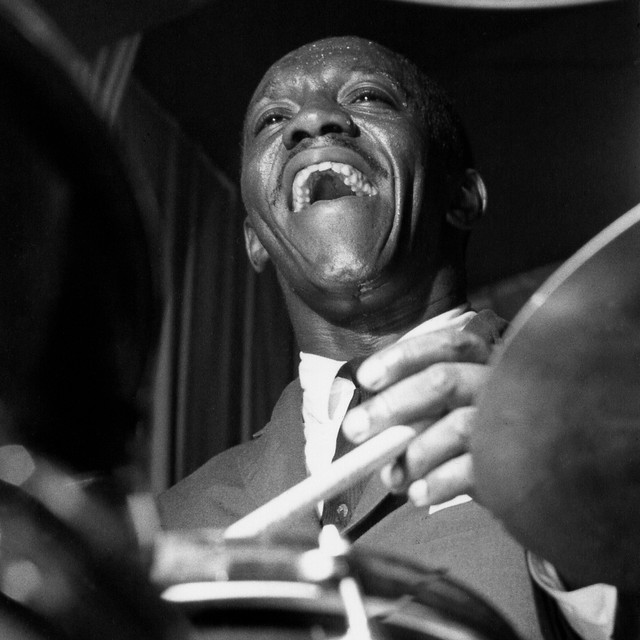
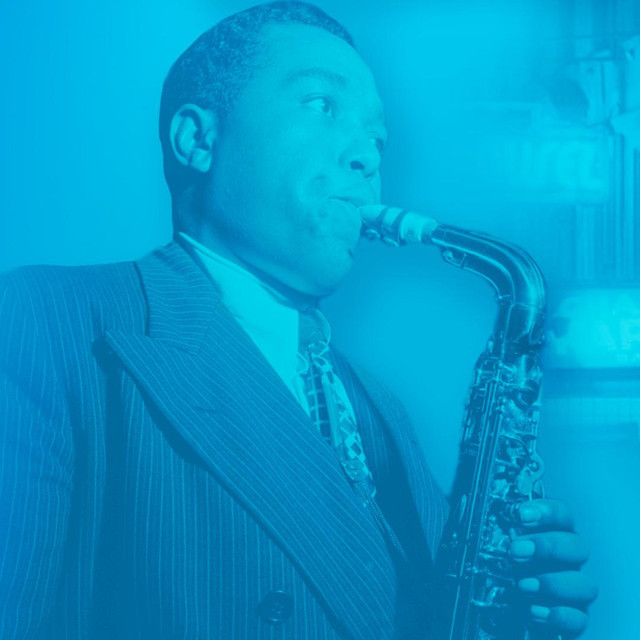
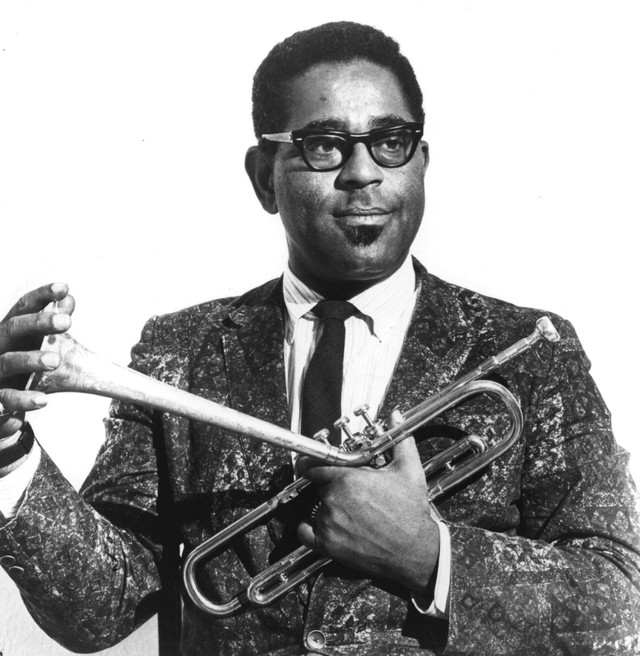
The era’s ambassadors are many, but the core pioneers are widely acknowledged as Dizzy Gillespie, Charlie Parker, and Thelonious Monk. Charlie Parker’s alto saxophone and Parker’s voracious harmonic imagination pushed lines into unprecedented territory; Dizzy Gillespie’s virtuosic trumpet, blistering toccatas, and distinctive timbre helped codify the style’s swagger and complexity. Thelonious Monk contributed a uniquely angular piano language—eccentric intervals, exacting rhythms, and memorable, idiosyncratic melodies that reframed what “tune” could be in bebop. Bud Powell’s pianism, Max Roach and Kenny Clarke’s drum innovations (the modern ride pattern and comping language), and later Art Blakey’s hard-driving sense of collective momentum all reinforced the bebop ladder. Vocalists also embraced bebop’s spirit, with vocalese and improvised syllables feeding the language of the era.
In listening, be on the lookout for the hallmark contrasts: blistering tempo, rapid ornamentation, and a spiritual balance between surprise and cohesion. Hear the “heads” that you recognize, followed by two, three, or four solos that chase and reconfigure the tune’s harmonic map. Notice contrafacts and the way tunes morph through substitutions and altered chords. And listen for the sense that bebop was as much about the argument between players as it was about beautiful melody.
Bebop’s influence spread far beyond its New York roots. It found enthusiastic audiences in Europe—Paris, London, Copenhagen, and beyond—and in Asia, with clubs in Tokyo and other cities embracing the language. Today, bebop remains essential listening for enthusiasts who relish technical mastery, inventive phrasing, and the historical pivot it represents: a movement that transformed jazz from a danceable, ensemble-led idiom into an art of improvisation, exploration, and perpetual reinvention.
Musically, bebop favors speed and precision, but its real signature is the way melodic invention rides over sophisticated chord progressions. Instead of simply improvising over a familiar head, players developed rapid-fire solos that mounted chromatic runs, sudden rhythmic shifts, and altered dominants. The harmony pushes beyond the simpler two- and four-bar progressions of swing, often using extended chords, substitutions, and altered tones. The result is music that sounds intensely improvisatory, almost conversational, yet tightly organized around the tune’s underlying changes. Instrumentation settled into compact ensembles—trumpet, alto or tenor sax, piano, bass, and drums—though the arena of expression was global: players spoke in a new, agile bebop vocabulary.
The era’s ambassadors are many, but the core pioneers are widely acknowledged as Dizzy Gillespie, Charlie Parker, and Thelonious Monk. Charlie Parker’s alto saxophone and Parker’s voracious harmonic imagination pushed lines into unprecedented territory; Dizzy Gillespie’s virtuosic trumpet, blistering toccatas, and distinctive timbre helped codify the style’s swagger and complexity. Thelonious Monk contributed a uniquely angular piano language—eccentric intervals, exacting rhythms, and memorable, idiosyncratic melodies that reframed what “tune” could be in bebop. Bud Powell’s pianism, Max Roach and Kenny Clarke’s drum innovations (the modern ride pattern and comping language), and later Art Blakey’s hard-driving sense of collective momentum all reinforced the bebop ladder. Vocalists also embraced bebop’s spirit, with vocalese and improvised syllables feeding the language of the era.
In listening, be on the lookout for the hallmark contrasts: blistering tempo, rapid ornamentation, and a spiritual balance between surprise and cohesion. Hear the “heads” that you recognize, followed by two, three, or four solos that chase and reconfigure the tune’s harmonic map. Notice contrafacts and the way tunes morph through substitutions and altered chords. And listen for the sense that bebop was as much about the argument between players as it was about beautiful melody.
Bebop’s influence spread far beyond its New York roots. It found enthusiastic audiences in Europe—Paris, London, Copenhagen, and beyond—and in Asia, with clubs in Tokyo and other cities embracing the language. Today, bebop remains essential listening for enthusiasts who relish technical mastery, inventive phrasing, and the historical pivot it represents: a movement that transformed jazz from a danceable, ensemble-led idiom into an art of improvisation, exploration, and perpetual reinvention.