Artist
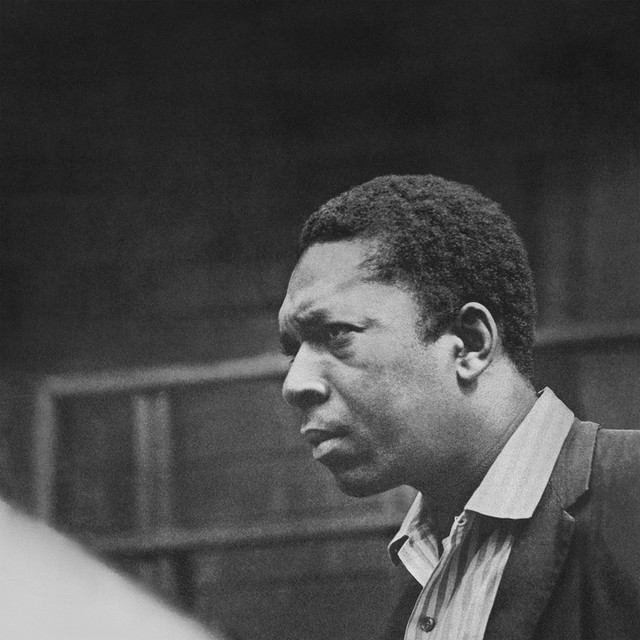
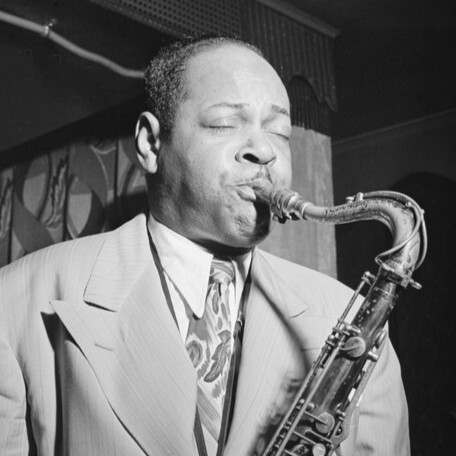
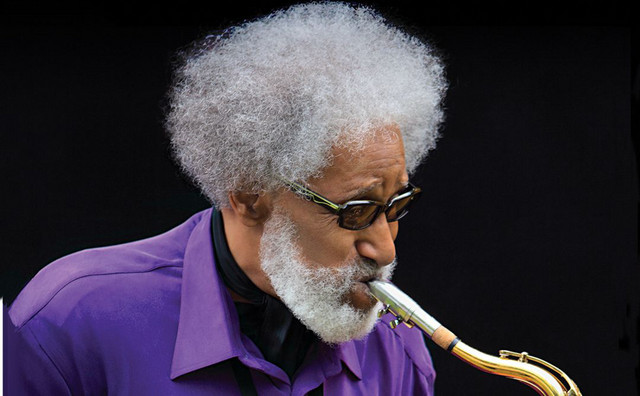
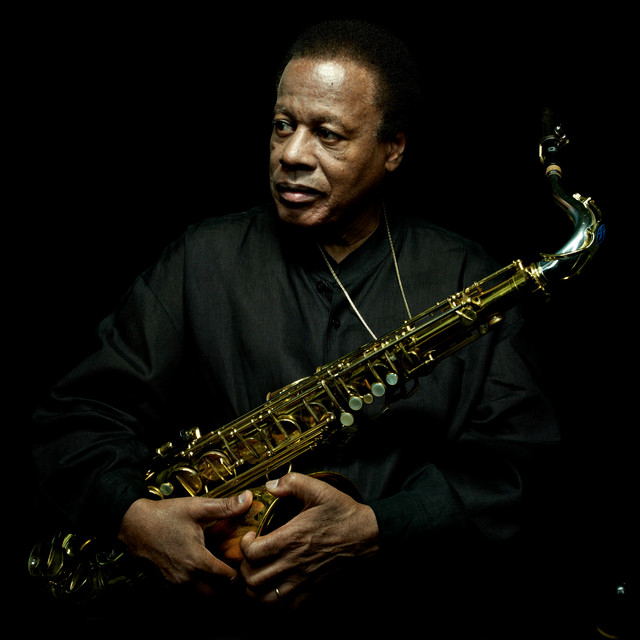
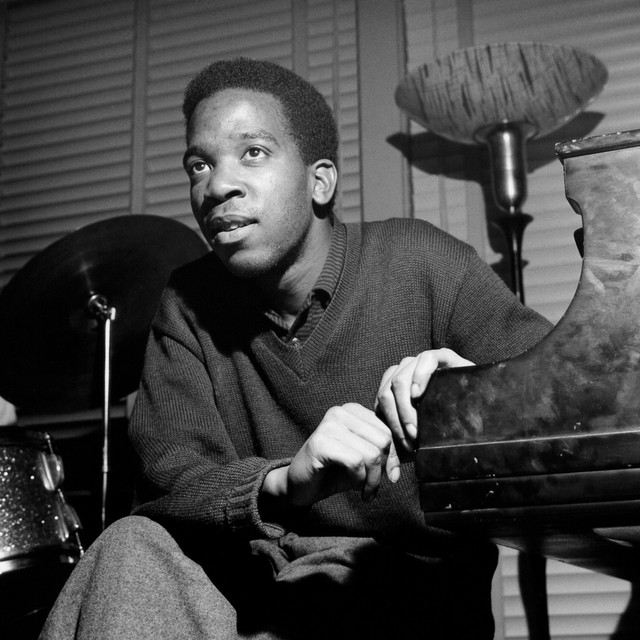
John Coltrane Quartet
Last updated: 19 hours ago
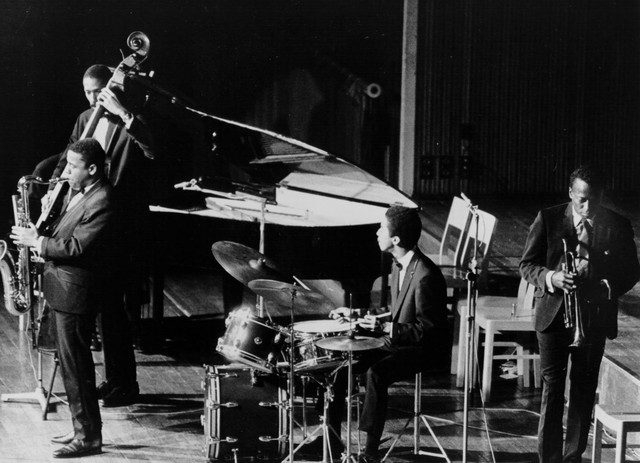
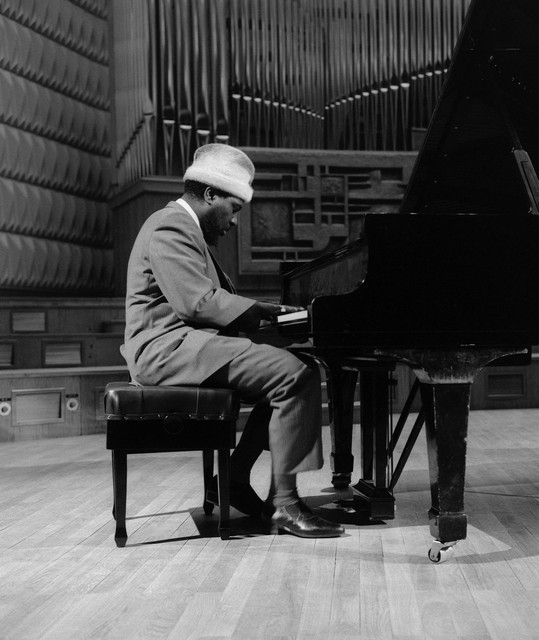
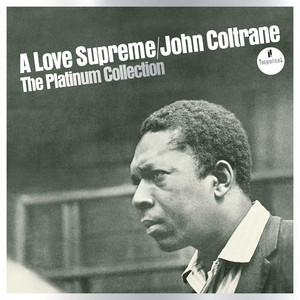
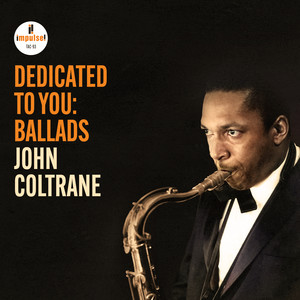
1960 was a major turning point for John Coltrane (born September 23, 1926, died July 17, 1967). It was in 1960 that the big-toned saxophone giant left Miles Davis' employ for good, made modal jazz (as opposed to hard bop) his main focus, and formed a highly influential group of his own. That group was the New York-based John Coltrane Quartet, whose original lineup included Trane on tenor and soprano sax, McCoy Tyner on piano, Elvin Jones on drums, and Steve Davis on bass. Davis didn't stay long; Coltrane went through a few more bassists (Art Davis and Reggie Workman) before hiring Jimmy Garrison in 1961. Like his former employer Miles Davis, Coltrane was a very restless musician who was determined to forge ahead -- and his 1960-1965 quartet did exactly that. In the 1950s, Coltrane's main focus had been hard bop -- "Giant Steps," recorded in 1959, is considered bop's ultimate blowing tune. But it was also in 1959 that Coltrane was prominently featured on Davis' influential modal classic Kind of Blue, and the saxman took the modal plunge in a major way when he became a full-time group leader in 1960. That year, Coltrane's new quartet recorded My Favorite Things, an Atlantic release that did as much to popularize modal playing as Kind of Blue. My Favorite Things' title track is considered a definitive example of modal post-bop, as are "Impressions," "Equinox," "Miles' Mode," and other gems that Coltrane's quartet unveiled in the early '60s.
Monthly Listeners
1.1 million
Monthly Listeners History
Track the evolution of monthly listeners over the last 28 days.
Followers
264,604
Followers History
Track the evolution of followers over the last 28 days.
Total Streams
418.1 million
Total Streams History
Track the evolution of total streams over the last 28 days. This data is calculated from all tracks listed in the artist's discography.
Top Cities
16,346 listeners

14,463 listeners

18,042 listeners
11,763 listeners
10,520 listeners