Genre
boogie-woogie
Top Boogie-woogie Artists
Showing 25 of 1,474 artists










About Boogie-woogie
Boogie-woogie is a piano-driven blues that shimmies and thunders its way across the keys, a dance-floor engine that helped shape the sound of American popular music from the late 1920s onward. It grew out of African American barrelhouse and blues culture in the rural South and found a powerful heartbeat in Chicago during the Great Migration. Characteristically, the style is built on a relentless left-hand bass ostinato—often a rapid, driving pattern in a 4/4 swing—that repeats eight to the bar, while the right hand improvises blues melodies, riffs, and stride-like figures. The result is a high-energy, confidently rhythmic sound that begs to be danced to, listened to closely, and played with both discipline and daring.
Origins and early development can be traced to the late 1920s. One of the earliest widely heard records is Pinetop Smith’s Pine Top’s Boogie Woogie (circa 1928–29), which helped popularize the form beyond its initial social circles. As the 1930s arrived, a trio of Chicago-based pianists—Meade Lux Lewis, Albert Ammons, and Pete Johnson—became the movement’s most influential ambassadors. Their recordings, clubs, and touring raised boogie-woogie from a regional novelty to a national sensation; a landmark moment was their Carnegie Hall appearance in 1938, which showcased the stamina and virtuosity of boogie-woogie to a broad audience and cemented its place in American musical history. Classic tracks such as Lewis’s Honky Tonk Train Blues and Ammons’s Boogie Woogie Stomp crystallized the form’s idiom: a formidable left hand driving the rhythm, a bright, busily melodic right hand, and a sense of swing that invites both listening and dancing.
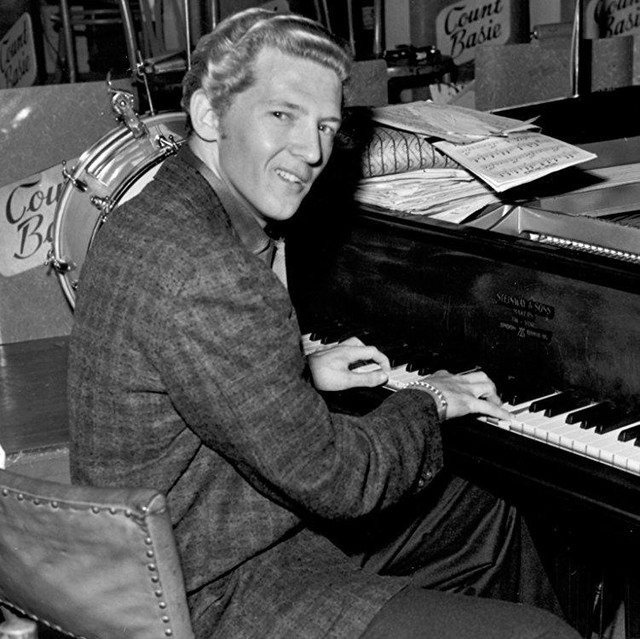
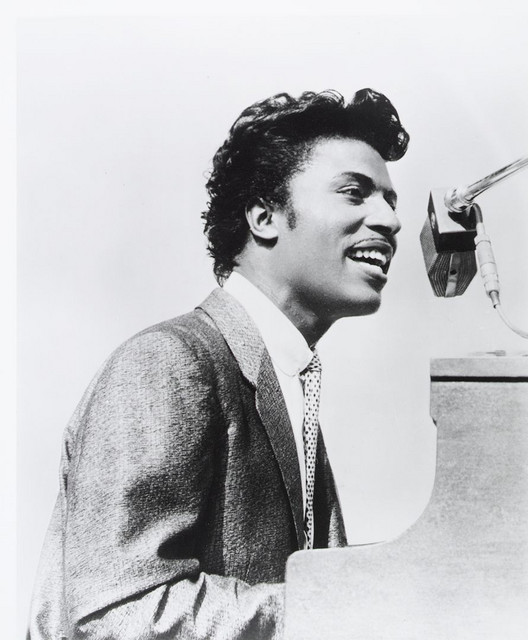
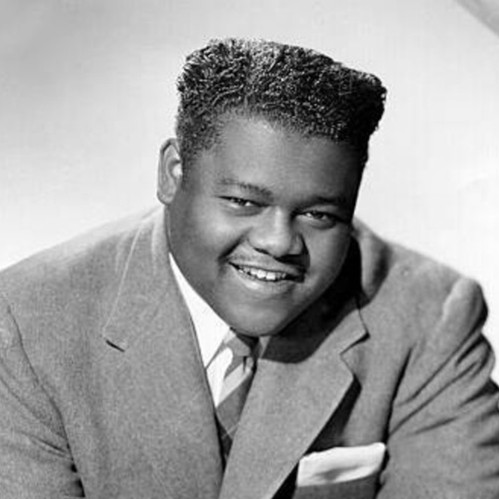
Key artists and ambassadors over the decades include not only the original Chicago pioneers but later performers who kept the tradition alive through shifts in taste. The early wave trained generations of pianists and improvisers, while the 1950s and beyond saw boogie-woogie influencing the emerging rock ’n’ roll piano style. Figures such as Jerry Lee Lewis, Fats Domino, and Little Richard carried the boogie-woogie energy into mainstream rock-adjacent territory, translating the left-hand pulse into songs that crossed genres and crossed borders. In Europe, boogie-woogie found a particularly fervent following, with a revival ethos propelled by players like Axel Zwingenberger in Germany and a network of enthusiasts across the United Kingdom, the Netherlands, and Scandinavia. The international scene today treats boogie-woogie as a living tradition, performed in solo and ensemble formats, with festivals, jam sessions, and recordings that span traditional repertoire and contemporary fusions.
Geographically, boogie-woogie’s strongest roots are in the United States, especially the Mississippi Delta region and Chicago, where its social roots ran deepest. It has since spread widely, enjoying a robust presence in Europe and influences that reached Japan and other parts of the world. The genre remains appealing to serious listeners and players who relish its technical challenges, its groove, and its direct emotional appeal. For music enthusiasts, boogie-woogie is not merely a historical curiosity but a living conversation between blues tradition, swing-era exuberance, and the perpetual pull of the piano’s expressive human voice.
Origins and early development can be traced to the late 1920s. One of the earliest widely heard records is Pinetop Smith’s Pine Top’s Boogie Woogie (circa 1928–29), which helped popularize the form beyond its initial social circles. As the 1930s arrived, a trio of Chicago-based pianists—Meade Lux Lewis, Albert Ammons, and Pete Johnson—became the movement’s most influential ambassadors. Their recordings, clubs, and touring raised boogie-woogie from a regional novelty to a national sensation; a landmark moment was their Carnegie Hall appearance in 1938, which showcased the stamina and virtuosity of boogie-woogie to a broad audience and cemented its place in American musical history. Classic tracks such as Lewis’s Honky Tonk Train Blues and Ammons’s Boogie Woogie Stomp crystallized the form’s idiom: a formidable left hand driving the rhythm, a bright, busily melodic right hand, and a sense of swing that invites both listening and dancing.
Key artists and ambassadors over the decades include not only the original Chicago pioneers but later performers who kept the tradition alive through shifts in taste. The early wave trained generations of pianists and improvisers, while the 1950s and beyond saw boogie-woogie influencing the emerging rock ’n’ roll piano style. Figures such as Jerry Lee Lewis, Fats Domino, and Little Richard carried the boogie-woogie energy into mainstream rock-adjacent territory, translating the left-hand pulse into songs that crossed genres and crossed borders. In Europe, boogie-woogie found a particularly fervent following, with a revival ethos propelled by players like Axel Zwingenberger in Germany and a network of enthusiasts across the United Kingdom, the Netherlands, and Scandinavia. The international scene today treats boogie-woogie as a living tradition, performed in solo and ensemble formats, with festivals, jam sessions, and recordings that span traditional repertoire and contemporary fusions.
Geographically, boogie-woogie’s strongest roots are in the United States, especially the Mississippi Delta region and Chicago, where its social roots ran deepest. It has since spread widely, enjoying a robust presence in Europe and influences that reached Japan and other parts of the world. The genre remains appealing to serious listeners and players who relish its technical challenges, its groove, and its direct emotional appeal. For music enthusiasts, boogie-woogie is not merely a historical curiosity but a living conversation between blues tradition, swing-era exuberance, and the perpetual pull of the piano’s expressive human voice.