Data may be outdated
Last updated: 8 months ago — Click refresh to get the latest statistics.
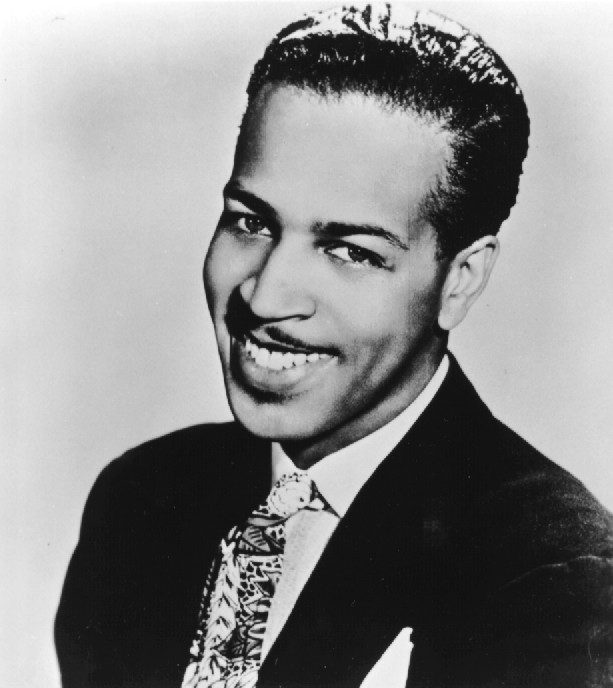
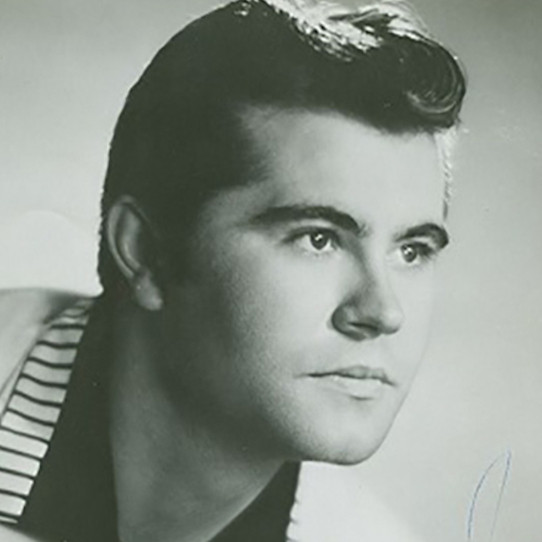
No blues shouter embodied the rollicking good times that he sang of quite like raucous shouter Wynonie Harris. "Mr. Blues," as he was not-so-humbly known, joyously related risque tales of sex, booze, and endless parties in his trademark raspy voice over some of the jumpingest horn-powered combos of the postwar era.
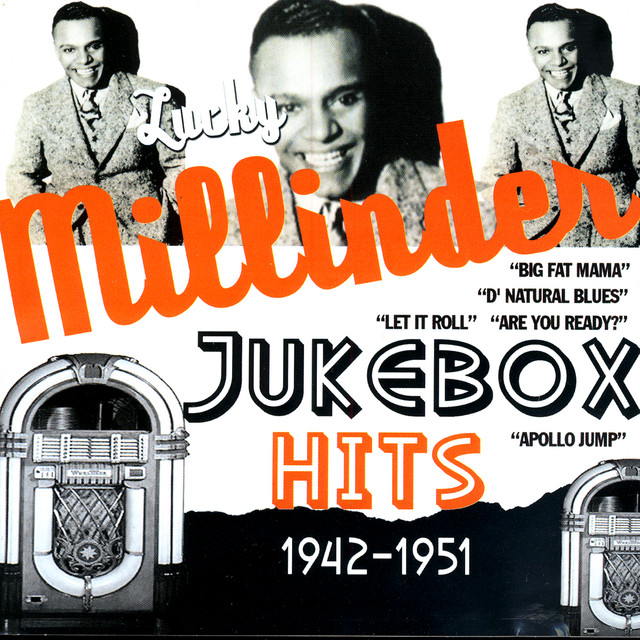
Those wanton ways eventually caught up with Harris, but not before he scored a raft of R&B smashes from 1946 to 1952. He was already a seasoned dancer, drummer, and singer when he left Omaha for L.A. in 1940 (his main influences being <a href="spotify:artist:1DTgcOxytJHD8p17mhSgd7">Big Joe Turner</a> and <a href="spotify:artist:5oSx3uh0EaLA2xEywrMsCX">Jimmy Rushing</a>). He found plenty of work singing and appearing as an emcee on Central Avenue, the bustling Black nightlife strip. Harris' reputation was spreading fast -- he was appearing in Chicago at the Rhumboogie Club in 1944 when bandleader <a href="spotify:artist:4tdVYQWfsBth04tc1mmQ23">Lucky Millinder</a> hired him as his band's new singer. With <a href="spotify:artist:4tdVYQWfsBth04tc1mmQ23">Millinder</a>'s orchestra in brassy support, Harris made his debut on shellac by boisterously delivering "Who Threw the Whiskey in the Well" that same year for Decca. By the time it hit in mid-1945, Harris was long gone from <a href="spotify:artist:4tdVYQWfsBth04tc1mmQ23">Millinder</a>'s organization and back in L.A.
The shouter debuted on wax under his own name in July of 1945 at an L.A. date for <a href="spotify:search:label%3A%22Philo%22">Philo</a> with backing from drummer <a href="spotify:artist:5PGt6fQNjLKhYYeGLWKWcM">Johnny Otis</a>, saxist <a href="spotify:artist:1R4eHHIR7Tqx0zje5jzJN8">Teddy Edwards</a>, and trumpeter <a href="spotify:artist:3z4qqrJqPWfTl9CSUNxb93">Howard McGhee</a>. A month later, he signed on with <a href="spotify:search:label%3A%22Apollo+Records%22">Apollo Records</a>, an association that provided him with two huge hits in 1946: "Wynonie's Blues" (with saxist <a href="spotify:artist:6HzzZqLS76PGbKaw6dIMHZ">Illinois Jacquet</a>'s combo) and "Playful Baby." Harris' own waxings were squarely in the emerging jump blues style then sweeping the West Coast. After scattered dates for Hamp-Tone, <a href="spotify:search:label%3A%22Bullet%22">Bullet</a>, and <a href="spotify:search:label%3A%22Aladdin%22">Aladdin</a> (where he dueled it out with his idol <a href="spotify:artist:4J0rxYDON5UzQSrZpS5adI">Big Joe</a> on a two-sided "Battle of the Blues"), Harris joined the star-studded roster of Cincinnati's <a href="spotify:search:label%3A%22King+Records%22">King Records</a> in 1947. There his sales really soared.
Few records made a stronger seismic impact than Harris' 1948 chart-topper "Good Rockin' Tonight." Ironically, Harris shooed away its composer, <a href="spotify:artist:1tawCzlbH40c30eztzufSu">Roy Brown</a>, when he first tried to hand it to the singer; only when <a href="spotify:artist:1tawCzlbH40c30eztzufSu">Brown</a>'s original version took off did Wynonie cover the romping number. With <a href="spotify:artist:79gZ7cvmetgEUB1yJMYKx2">Hal "Cornbread" Singer</a> on wailing tenor sax and a rocking, socking backbeat, the record provided an easily followed blueprint for the imminent rise of rock & roll a few years later (and gave <a href="spotify:artist:43ZHCT0cAZBISjO8DG9PnE">Elvis Presley</a> something to place on the A-side of his second <a href="spotify:search:label%3A%22Sun%22">Sun</a> single).
After that, Harris was rarely absent from the R&B charts for the next four years, his offerings growing more boldly suggestive all the time. "Grandma Plays the Numbers," "All She Wants to Do Is Rock," "I Want My Fanny Brown," "Sittin' on It All the Time," "I Like My Baby's Pudding," "Good Morning Judge," "Bloodshot Eyes" (a country tune that was first released on "King" by <a href="spotify:artist:6W07XPRu62EPkBuzauIQTI">Hank Penny</a>), and "Lovin' Machine" were only a portion of the ribald hits Harris scored into 1952 (13 in all) -- and then his personal hit parade stopped dead. It certainly wasn't Harris' fault -- his <a href="spotify:search:label%3A%22King%22">King</a> output rocked as hard as ever under <a href="spotify:artist:0uPVHRoA0cMZVrFTGdtve1">Henry Glover</a>'s supervision -- but changing tastes among fickle consumers accelerated Wynonie Harris' sobering fall from favor.
Sides for <a href="spotify:search:label%3A%22Atco%22">Atco</a> in 1956, <a href="spotify:search:label%3A%22King%22">King</a> in 1957, and <a href="spotify:search:label%3A%22Roulette%22">Roulette</a> in 1960 only hinted at the raunchy glory of a few short years earlier. The touring slowed accordingly. In 1963, his chauffeur-driven Cadillacs and lavish New York home a distant memory, Harris moved back to L.A., scraping up low-paying local gigs whenever he could. Chess gave him a three-song session in 1964, but sat on the promising results. Throat cancer silenced him for good in 1969, ending the life of a bigger-than-life R&B pioneer whose ego matched his tremendous talent. ~ Bill Dahl, Rovi
Those wanton ways eventually caught up with Harris, but not before he scored a raft of R&B smashes from 1946 to 1952. He was already a seasoned dancer, drummer, and singer when he left Omaha for L.A. in 1940 (his main influences being <a href="spotify:artist:1DTgcOxytJHD8p17mhSgd7">Big Joe Turner</a> and <a href="spotify:artist:5oSx3uh0EaLA2xEywrMsCX">Jimmy Rushing</a>). He found plenty of work singing and appearing as an emcee on Central Avenue, the bustling Black nightlife strip. Harris' reputation was spreading fast -- he was appearing in Chicago at the Rhumboogie Club in 1944 when bandleader <a href="spotify:artist:4tdVYQWfsBth04tc1mmQ23">Lucky Millinder</a> hired him as his band's new singer. With <a href="spotify:artist:4tdVYQWfsBth04tc1mmQ23">Millinder</a>'s orchestra in brassy support, Harris made his debut on shellac by boisterously delivering "Who Threw the Whiskey in the Well" that same year for Decca. By the time it hit in mid-1945, Harris was long gone from <a href="spotify:artist:4tdVYQWfsBth04tc1mmQ23">Millinder</a>'s organization and back in L.A.
The shouter debuted on wax under his own name in July of 1945 at an L.A. date for <a href="spotify:search:label%3A%22Philo%22">Philo</a> with backing from drummer <a href="spotify:artist:5PGt6fQNjLKhYYeGLWKWcM">Johnny Otis</a>, saxist <a href="spotify:artist:1R4eHHIR7Tqx0zje5jzJN8">Teddy Edwards</a>, and trumpeter <a href="spotify:artist:3z4qqrJqPWfTl9CSUNxb93">Howard McGhee</a>. A month later, he signed on with <a href="spotify:search:label%3A%22Apollo+Records%22">Apollo Records</a>, an association that provided him with two huge hits in 1946: "Wynonie's Blues" (with saxist <a href="spotify:artist:6HzzZqLS76PGbKaw6dIMHZ">Illinois Jacquet</a>'s combo) and "Playful Baby." Harris' own waxings were squarely in the emerging jump blues style then sweeping the West Coast. After scattered dates for Hamp-Tone, <a href="spotify:search:label%3A%22Bullet%22">Bullet</a>, and <a href="spotify:search:label%3A%22Aladdin%22">Aladdin</a> (where he dueled it out with his idol <a href="spotify:artist:4J0rxYDON5UzQSrZpS5adI">Big Joe</a> on a two-sided "Battle of the Blues"), Harris joined the star-studded roster of Cincinnati's <a href="spotify:search:label%3A%22King+Records%22">King Records</a> in 1947. There his sales really soared.
Few records made a stronger seismic impact than Harris' 1948 chart-topper "Good Rockin' Tonight." Ironically, Harris shooed away its composer, <a href="spotify:artist:1tawCzlbH40c30eztzufSu">Roy Brown</a>, when he first tried to hand it to the singer; only when <a href="spotify:artist:1tawCzlbH40c30eztzufSu">Brown</a>'s original version took off did Wynonie cover the romping number. With <a href="spotify:artist:79gZ7cvmetgEUB1yJMYKx2">Hal "Cornbread" Singer</a> on wailing tenor sax and a rocking, socking backbeat, the record provided an easily followed blueprint for the imminent rise of rock & roll a few years later (and gave <a href="spotify:artist:43ZHCT0cAZBISjO8DG9PnE">Elvis Presley</a> something to place on the A-side of his second <a href="spotify:search:label%3A%22Sun%22">Sun</a> single).
After that, Harris was rarely absent from the R&B charts for the next four years, his offerings growing more boldly suggestive all the time. "Grandma Plays the Numbers," "All She Wants to Do Is Rock," "I Want My Fanny Brown," "Sittin' on It All the Time," "I Like My Baby's Pudding," "Good Morning Judge," "Bloodshot Eyes" (a country tune that was first released on "King" by <a href="spotify:artist:6W07XPRu62EPkBuzauIQTI">Hank Penny</a>), and "Lovin' Machine" were only a portion of the ribald hits Harris scored into 1952 (13 in all) -- and then his personal hit parade stopped dead. It certainly wasn't Harris' fault -- his <a href="spotify:search:label%3A%22King%22">King</a> output rocked as hard as ever under <a href="spotify:artist:0uPVHRoA0cMZVrFTGdtve1">Henry Glover</a>'s supervision -- but changing tastes among fickle consumers accelerated Wynonie Harris' sobering fall from favor.
Sides for <a href="spotify:search:label%3A%22Atco%22">Atco</a> in 1956, <a href="spotify:search:label%3A%22King%22">King</a> in 1957, and <a href="spotify:search:label%3A%22Roulette%22">Roulette</a> in 1960 only hinted at the raunchy glory of a few short years earlier. The touring slowed accordingly. In 1963, his chauffeur-driven Cadillacs and lavish New York home a distant memory, Harris moved back to L.A., scraping up low-paying local gigs whenever he could. Chess gave him a three-song session in 1964, but sat on the promising results. Throat cancer silenced him for good in 1969, ending the life of a bigger-than-life R&B pioneer whose ego matched his tremendous talent. ~ Bill Dahl, Rovi
Monthly Listeners
133,688
Monthly Listeners History
Track the evolution of monthly listeners over the last 28 days.
Followers
20,675
Followers History
Track the evolution of followers over the last 28 days.
Top Cities
2,402 listeners

1,347 listeners

1,329 listeners
1,287 listeners
1,123 listeners
Related Artists




Tiny Bradshaw & His Orchestra