Data may be outdated
Last updated: 1 month ago — Click refresh to get the latest statistics.
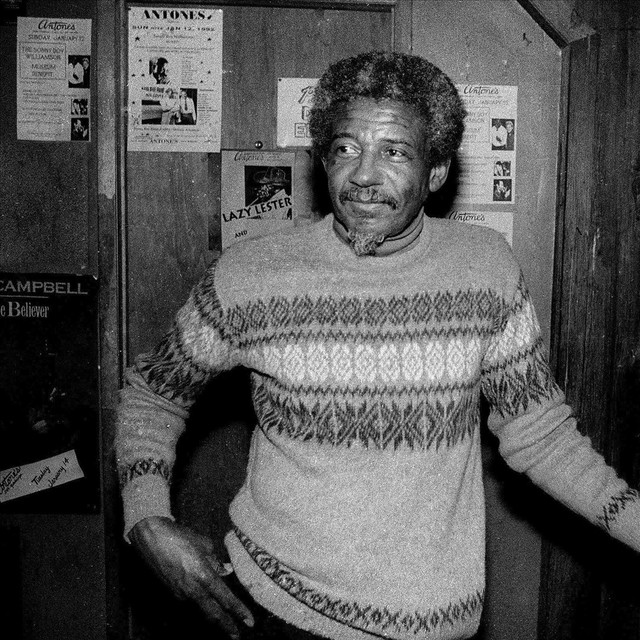
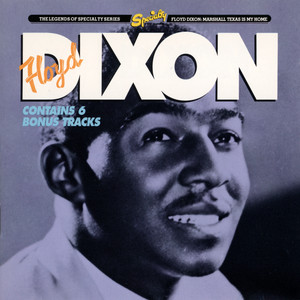
Aladdin Records acquired Dixon's contract with Modern in late 1950, immediately pairing him with <a href="spotify:artist:5AXmRsX7PYC1kKWrwuS5mn">Johnny Moore's Three Blazers</a> for "Telephone Blues," his first nationwide hit. "Doin' the Town" quickly followed, and across 1951 Aladdin flooded the market with Dixon material, including "Walking and Talking Blues," "Let's Dance," "Empty Stocking Blues," and "Do I Love You." The deluge proved more than radio or retail could bear and none of the singles made much commercial impact. Not until June 1952 did Dixon score his next significant hit, "Wine Wine Wine." He spent much of the remaining year touring the Midwest and Southern U.S. in support of the follow-up, "The River," highlighted by an extended residency at Kansas City's Orchid Room. After a few more Aladdin releases, most notably "Broken Hearted Traveler" and the Jerry Lieber/<a href="spotify:artist:1wsgQOJMWtqd2GF0sGSRUm">Mike Stoller</a>-penned "Too Much Jelly Roll," Dixon jumped to Art Rupe's Specialty imprint, making his label debut in mid-1953 with "Hard Living Alone." "Hole in the Wall" followed by year's end, but neither was a hit, and when the same fate befell 1954's "Ooh Ee, Ooh Eee," the company terminated his contract. Dixon soon resurfaced on Atlantic's Cat subsidiary with "Moonshine." Its successor, "Hey Bartender," would prove his most enduring hit, thanks in large part to a reverential <a href="spotify:artist:1cHFz6lrt7KAsBV8j2Ny1g">Blues Brothers</a> cover issued nearly a quarter century later.
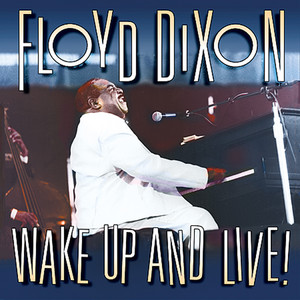
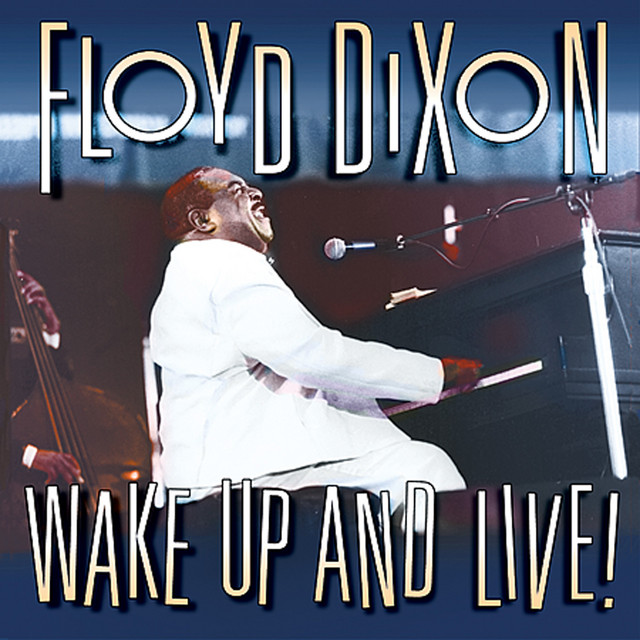
While his sound and style clearly predated modern R&B and rock & roll, Dixon was nevertheless lost in the shuffle as a new generation of artists began dominating the charts, and during the mid-'50s he wandered between L.A. independent labels like Pearl, Cash, and Ebb to little success. He continued touring into the early '60s before virtually disappearing from sight, living in seclusion in Paris, TX. When the Swedish label Route 66 issued a 1975 compilation of Dixon's classic postwar material to great acclaim across Europe, he traveled overseas to mount his first tour in over a decade, later joining <a href="spotify:artist:4EYVgfZJ8wKXWmIvCx3gOY">Ruth Brown</a> and old friend <a href="spotify:artist:3trsSEaKM3UM2R9RBJwdtJ">Charles Brown</a> on the European Blues Caravan. Dixon also toured with then-unknown <a href="spotify:artist:6eMlKSBFAoXVJLoeHmwKEj">Robert Cray</a> and <a href="spotify:artist:7GlnrRLOQtsu3wtX3a2xEl">Little Charlie & the Nightcats</a>, and in 1984 was commissioned by the Los Angeles Olympic Games organizing committee to write "Olympic Blues." The Rhythm and Blues Foundation awarded Dixon its Pioneer Career Achievement Award in 1993, earning him gigs at the Monterey Jazz Festival and the Chicago Blues Festival. Three years later, Alligator Records issued his W.C. Handy Comeback Album of the Year Award-winning concert LP, Wake Up and Live! Fine! Fine! Thing! followed on HighJohn in 2005, and despite failing health, Dixon teamed with fellow pianists <a href="spotify:artist:6h3s7UekUkRHes73EG5N55">Pinetop Perkins</a> and Henry Clay for a brief tour in June 2006. He died of cancer weeks later at the age of 77. ~ Jason Ankeny, Rovi
Monthly Listeners
40,957
Monthly Listeners History
Track the evolution of monthly listeners over the last 28 days.
Followers
8,531
Followers History
Track the evolution of followers over the last 28 days.
Total Streams
12.6 million
Total Streams History
Track the evolution of total streams over the last 28 days. This data is calculated from all tracks listed in the artist's discography.
Top Cities



Related Artists








Zuzu Bollin