Genre
brass ensemble
Top Brass ensemble Artists
Showing 25 of 43 artists






About Brass ensemble
Brass ensemble is a vivid, flexible corner of chamber music that harnesses the radiant timbres of brass instruments to create intimate textures, punchy fanfares, and lyrical lines in close acoustic spaces. At its best, a brass ensemble merges the power of a concert band with the nuance and balance of a string quartet, offering a bright, almost sculptural sound that can bite with clarity or melt into warmth.
Origins and birth
The brass ensemble’s roots lie in the long-standing military and ceremonial traditions where brass players gathered in small, coordinated groups to perform marches, transcriptions, and ceremonial music. The modern concept of a dedicated chamber brass outfit—small groups that write and arrange specifically for a handful of brass players—began taking shape in the late 19th and early 20th centuries. As composers and arrangers explored wind timbres beyond the full orchestra, the brass quintet emerged as the canonical core: two trumpets, two trombones, and a tuba. This configuration became a versatile standard for repertoire, studio work, and live performance, capable of performing Baroque transcriptions, contemporary works, and everything in between with a bright, focused balance.
What you’ll hear and what it can do
A brass ensemble covers an astonishing range of styles. Repertoire runs from delicate, polyphonic textures and high-velocity virtuosity to humorous, theatrical showmanship. The ensemble excels in crisp articulations and precise intonation, yet can also sustain long, singing lines and resonant, pianissimo textures. Because brass instruments naturally blend—yet cut through when needed—ensembles can ride a wide dynamic spectrum, from intimate chamber music to large, glittering sonorities. It’s common to hear arrangements of classical masterworks, specially commissioned original pieces, and crossovers into jazz, Latin, pop, and contemporary minimalism. The format is especially well suited to festival settings, educational outreach, and intimate concert halls where every gleam of the instrument’s core color can be appreciated.
Key artists and ambassadors
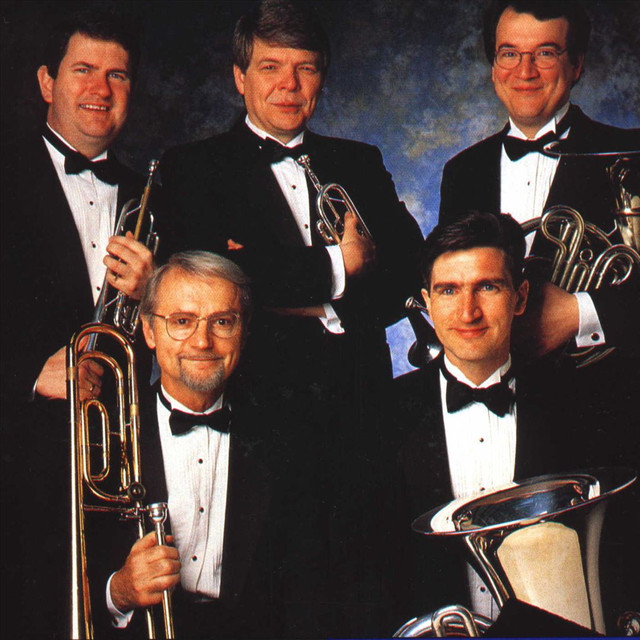
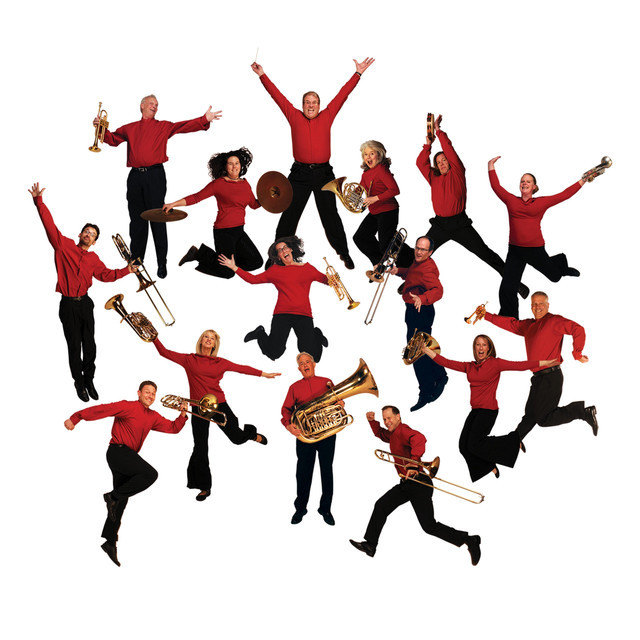
Several ensembles have become leading ambassadors of the brass-ensemble repertoire. Mnozil Brass, an Austrian group formed in the late 1990s, is famed not only for virtuosic playing but for its inventive stagecraft and humor, bringing brass artistry to a broad, crossover audience. The Canadian Brass, a widely respected ensemble, helped popularize brass quintet repertoire through prolific recording and touring, expanding expectations for what brass groups can do stylistically. In the United States, the Empire Brass Quintet played a pivotal role in redefining audience expectations for brass chamber music through frequent recordings and international tours. Together, these groups demonstrate the genre’s versatility and broad appeal.
Geography and culture
Brass ensembles have deep roots in the United States, the United Kingdom, and continental Europe—especially Austria, the Netherlands, and Germany—where wind and brass traditions have long flourished in both classical and festival contexts. In recent years, interest in brass quintets and nontraditional brass groups has grown in Japan, Korea, and parts of Latin America, reflecting a global curiosity about the crisp, direct sound brass can offer in an intimate setting.
In short, the brass ensemble is a charismatic, adaptable voice in modern music—rooted in military and orchestral traditions, yet continually reinvented by composers and performers who push timbre, blend, and repertoire into new and exciting directions.
Origins and birth
The brass ensemble’s roots lie in the long-standing military and ceremonial traditions where brass players gathered in small, coordinated groups to perform marches, transcriptions, and ceremonial music. The modern concept of a dedicated chamber brass outfit—small groups that write and arrange specifically for a handful of brass players—began taking shape in the late 19th and early 20th centuries. As composers and arrangers explored wind timbres beyond the full orchestra, the brass quintet emerged as the canonical core: two trumpets, two trombones, and a tuba. This configuration became a versatile standard for repertoire, studio work, and live performance, capable of performing Baroque transcriptions, contemporary works, and everything in between with a bright, focused balance.
What you’ll hear and what it can do
A brass ensemble covers an astonishing range of styles. Repertoire runs from delicate, polyphonic textures and high-velocity virtuosity to humorous, theatrical showmanship. The ensemble excels in crisp articulations and precise intonation, yet can also sustain long, singing lines and resonant, pianissimo textures. Because brass instruments naturally blend—yet cut through when needed—ensembles can ride a wide dynamic spectrum, from intimate chamber music to large, glittering sonorities. It’s common to hear arrangements of classical masterworks, specially commissioned original pieces, and crossovers into jazz, Latin, pop, and contemporary minimalism. The format is especially well suited to festival settings, educational outreach, and intimate concert halls where every gleam of the instrument’s core color can be appreciated.
Key artists and ambassadors
Several ensembles have become leading ambassadors of the brass-ensemble repertoire. Mnozil Brass, an Austrian group formed in the late 1990s, is famed not only for virtuosic playing but for its inventive stagecraft and humor, bringing brass artistry to a broad, crossover audience. The Canadian Brass, a widely respected ensemble, helped popularize brass quintet repertoire through prolific recording and touring, expanding expectations for what brass groups can do stylistically. In the United States, the Empire Brass Quintet played a pivotal role in redefining audience expectations for brass chamber music through frequent recordings and international tours. Together, these groups demonstrate the genre’s versatility and broad appeal.
Geography and culture
Brass ensembles have deep roots in the United States, the United Kingdom, and continental Europe—especially Austria, the Netherlands, and Germany—where wind and brass traditions have long flourished in both classical and festival contexts. In recent years, interest in brass quintets and nontraditional brass groups has grown in Japan, Korea, and parts of Latin America, reflecting a global curiosity about the crisp, direct sound brass can offer in an intimate setting.
In short, the brass ensemble is a charismatic, adaptable voice in modern music—rooted in military and orchestral traditions, yet continually reinvented by composers and performers who push timbre, blend, and repertoire into new and exciting directions.