Data may be outdated
Last updated: 2 weeks ago — Click refresh to get the latest statistics.
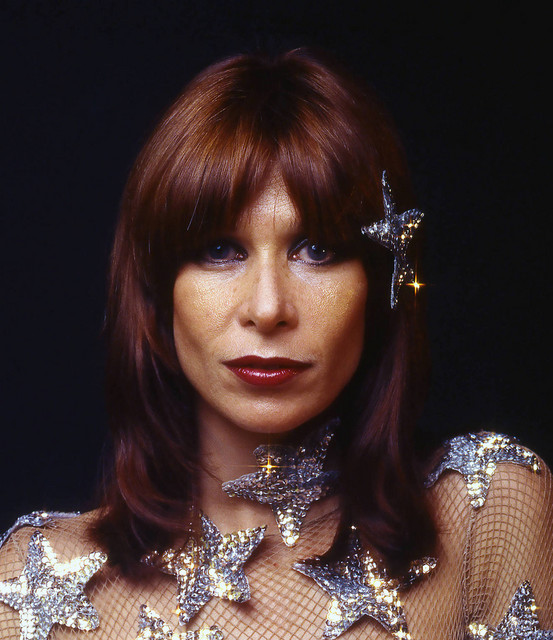
The daughter of an amateur female pianist, she never took music lessons. In place of the traditional adolescent debut ball, she asked for a drum set. Lee formed a band with two other friends and they provided backup vocals for stars like Tony Campelo, Jet Blacks, Demetrius, and Prini Lopez. They met the brothers <a href="spotify:artist:2REKDL7LGR2EuiQaJEZVb1">Arnaldo</a> and Sérgio Dias Baptista. Adopting the name O'Seis (a pun with "the six" and the Brazilian redneck way of saying "you all"), they recorded the single "O Suicida," which was never released. When the rest of the band left for college, only three of them remained. Picking the name <a href="spotify:artist:5C0gCCG8N5Dh5dZytIgzLX">Os Mutantes</a>, they backed <a href="spotify:artist:1hQT9TlJXMBP6Dy4lExSKn">Nana Caymmi</a> on her then-husband <a href="spotify:artist:7oEkUINVIj1Nr3Wnj8tzqr">Gilberto Gil</a>'s composition "Bom Dia." Duly impressed, <a href="spotify:artist:7g9DeYASD3RzlT4kDchsQZ">Gil</a> invited them to accompany him at TV Record's 1967 III FMPB, where they won second place for <a href="spotify:artist:7g9DeYASD3RzlT4kDchsQZ">Gil</a>'s "Domingo no Parque," which featured the addition of <a href="spotify:artist:2oVW3rdCv2P2s5OEhO5VTh">Rogério Duprat</a> conducting an orchestra with his revolutionary arrangements. The novelty of electric guitars and the mixing of strange orchestral sounds irritated the audience a great deal; the nascent Tropicalia style had arrived to a fanfare of heavy booing. Soon after, they recorded their single "O Relógio." In 1968, they performed on the album/manifesto Tropicália ou Panis et Circensis (Philips) alongside fellow musical revolutionaries like <a href="spotify:artist:64KVQ4YupSZYrGNLduVtj3">Nara Leão</a>, <a href="spotify:artist:7HGNYPmbDrMkylWqeFCOIQ">Caetano Veloso</a>, <a href="spotify:artist:7oEkUINVIj1Nr3Wnj8tzqr">Gilberto Gil</a>, <a href="spotify:artist:1b8kpp4DUwt1hWaxTiWQhD">Gal Costa</a>, and <a href="spotify:artist:1gIa65d5ICT2xVWiUJ3u27">Tom Zé</a>, and recorded their first LP, Os Mutantes. During their somewhat frequent tours of Europe, they recorded an LP that was unreleased at the time with the exception of some tracks included on 1971's Jardim Elétrico. Also in 1968, they performed "É Proibido Proibir" with <a href="spotify:artist:7HGNYPmbDrMkylWqeFCOIQ">Veloso</a> on TV Globo's III FIC, and their own "Caminhante Noturno," which won seventh place. In 1969, they participated at the IV FMPB with their "Dom Quixote" and, by Lee and <a href="spotify:artist:1gIa65d5ICT2xVWiUJ3u27">Tom Zé</a>, "2001." They performed with the Baianos at the Sucata nightclub, Rio, and recorded their second album, also self-titled. They went to Europe, playing at Cannes, France, at the MIDEM, and in Lisbon, Portugal.
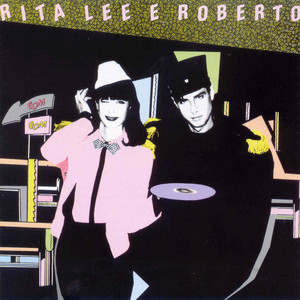
In 1970, they returned to Brazil and performed the show O Planeta dos Mutantes, the first multi-media experiment in Brazil. The same year, Lee recorded her solo album, Build Up, which was produced by <a href="spotify:artist:2REKDL7LGR2EuiQaJEZVb1">Arnaldo Baptista</a> and saw her expanding into more traditional rock and pop territory. Soon after, <a href="spotify:artist:5C0gCCG8N5Dh5dZytIgzLX">Os Mutantes</a> had a stint at the Olympia in Paris, France. With bassist Liminha (now a respected studio producer) and drummer Dinho, they participated in the V FIC with "Ando Meio Desligado" (<a href="spotify:artist:2REKDL7LGR2EuiQaJEZVb1">Arnaldo</a> and Sérgio). A Divina Comédia was released later in 1970, and O Jardim Elétrico (<a href="spotify:search:label%3A%22Polydor%22">Polydor</a>) in 1971. In 1972, Lee recorded another solo album backed by <a href="spotify:artist:5C0gCCG8N5Dh5dZytIgzLX">Os Mutantes</a>, Hoje é o Primeiro Dia do Resto de Sua Vida (Philips). After <a href="spotify:artist:5C0gCCG8N5Dh5dZytIgzLX">Os Mutantes</a> issued E Seus Cometas no País do Baurets, Lee departed the group. Following a period of depression, she decided to abandon her career, but continued writing the material that would make her famous as a solo artist. In 1973, she appeared with Lúcia Turnbull on the show Phono 73. Forming the rock band <a href="spotify:artist:7eZq9rAksJe2LfpUQ3ng59">Tutti Frutti</a> (which included Lúcia) for a series of shows at the Teatro Ruth Escobar, they adopted the name Rita Lee & Tutti Frutti at the suggestion of their record label. The band became quite successful in subsequent years, releasing Lee's hits "Ovelha Negra," "Agora só Falta Você," "Esse tal de Roque Enrow," "Miss Brasil 2000," and "Jardins da Babilônia." In 1974, Atrás do Porto tem uma Cidade (Philips) appeared. In 1975, Lúcia left the band and they recorded Fruto Proibido (Som Livre). In 1977, Lee was arrested for having marijuana and sentenced to one year of house arrest, during which time she co-wrote a song with the author Paulo Coelho; the single "Arrombou a Festa" sold 200,000 copies. She continued to perform with the approval of the court. <a href="spotify:artist:0yFvXd36g5sNKYDi0Kkvl8">Elis Regina</a> invited her to duet on a special TV show at TV Bandeirantes, where they recorded "Doce de Pimenta," which Lee had composed especially for <a href="spotify:artist:0yFvXd36g5sNKYDi0Kkvl8">Elis</a>. It was during this time that she unofficially married <a href="spotify:artist:4w4ll81d0dR8gz989jjko1">Roberto de Carvalho</a>, who was incorporated into her band as a guitarist and composer. Soon, they went on tour with <a href="spotify:artist:7oEkUINVIj1Nr3Wnj8tzqr">Gilberto Gil</a> for Refestança, which was recorded and released as an eponymous LP. In 1978, Lee and her band recorded Babilônia, after which the group dissolved after internal dissension. She then formed Rita Lee & Cães e Gatos and toured for a series of shows under the same name. A 1979 album featured "Mania de Você," her biggest hit. In its wake, Lee decided to go solo. She achieved international recognition after releasing "Lança Perfume," with the then-Prince Charles declaring her his favorite singer. In the early '80s, she had great success recording "Joujou e Balangandãs" with <a href="spotify:artist:77ZUbcdoU5KCPHNUl8bgQy">João Gilberto</a>. Her albums, openly danceable and commercially successful, broke sales records and her shows became mega-productions. During the 1983 tour for Rita Lee e Roberto de Carvalho, she began to have health problems, fainting on-stage at one show. She decided to take a rest, recording another album that year with no supporting tours.
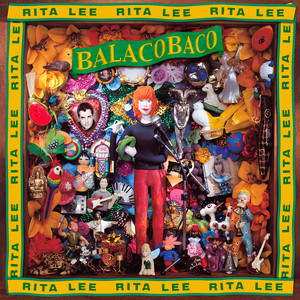
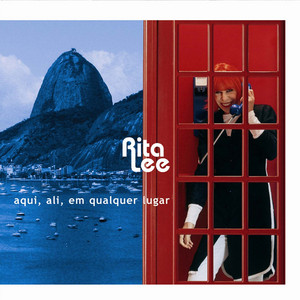
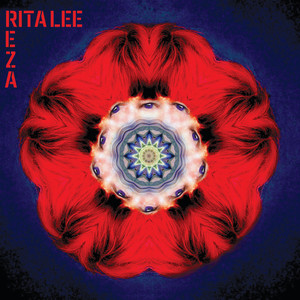
In January 1985, she briefly returned to the stage, performing a set at the Rock in Rio Festival. After another seven months in obscurity, she recorded an album that received good reviews, and in 1986 she realized a longtime dream of hosting a radio show, which aired on São Paulo's 89 FM, and later on Rio's Rádio Cidade. In 1987, she released Flerte Fatal to harsh criticism from the press. After two more heavily criticized albums, she ended her partnership with her husband, but worked with him on the film Fogo e Paixão. Later, she worked on the movie Dias Melhores Virão by Cacá Diegues, which earned her a prize at the Denzer Festival in Europe in 1990. Impersonating the late singer/composer <a href="spotify:artist:7jrRQZg4FZq6dwpi3baKcu">Raul Seixas</a> in the short movie Tanta Estrela por Aí, she was appointed Best Male Actor by Rio's mayoralty. On TV, she worked on the soap operas Top Model and Vamp, and hosted her own show, TV Leezão. In 1990, she released Bossa N' Roll, which sold heavily and earned her a spot opening for <a href="spotify:artist:22bE4uQ6baNwSHPVcDxLCe">the Rolling Stones</a>' on their tour of Brazil. She toured behind A Marca da Zorra, again with <a href="spotify:artist:4w4ll81d0dR8gz989jjko1">Roberto de Carvalho</a>. The following year, she became the first woman and first pop icon to be awarded the Prêmio Shell de MPB. In 1997, she received the distinguished Prêmio Sharp de Música, followed by Santa Rita de Sampa and the mega-production Acústico MTV. In 2000, she released the CD 3001 and in 2001, Aqui, Ali, em Qualquer Lugar, an album of <a href="spotify:artist:3WrFJ7ztbogyGnTHbHJFl2">Beatles</a>' songs done bossa style. Lee continued to tour throughout the decade, releasing Balacobaco in 2003. The final album she issued during her lifetime was 2013's Reza. Three years later she issued an autobiography and was presented a Lifetime Achievement Award at the 2022 Latin Grammys. She died in 2023 at the age of 75 at her home in Brazil. ~ Alvaro Neder, Rovi
Monthly Listeners
4.3 million
Monthly Listeners History
Track the evolution of monthly listeners over the last 28 days.
Followers
2.1 million
Followers History
Track the evolution of followers over the last 28 days.
Total Streams
1.2 billion
Total Streams History
Track the evolution of total streams over the last 28 days. This data is calculated from all tracks listed in the artist's discography.
Top Cities

Related Artists

Ney Matogrosso
Djavan



Marina Lima
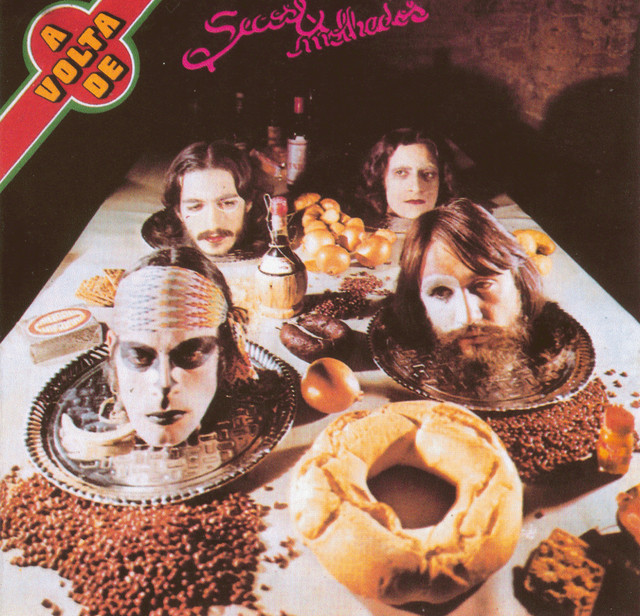
Secos & Molhados
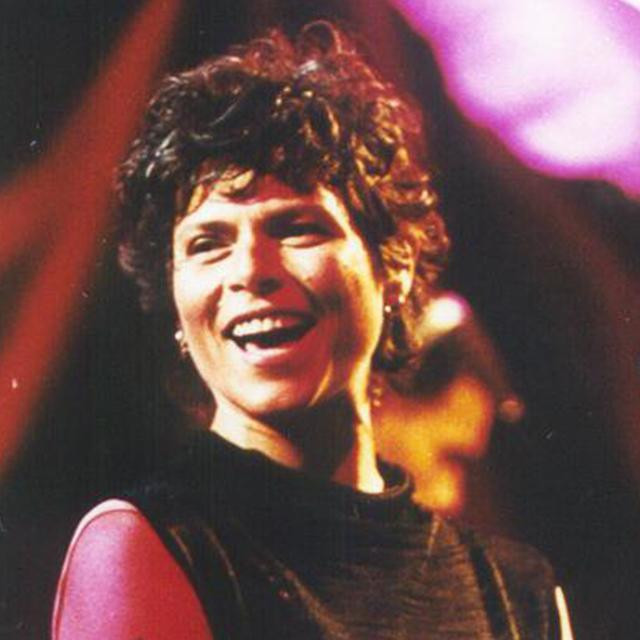
Cássia Eller



Gilberto Gil





Gonzaguinha






MPB4