Data may be outdated
Last updated: 3 weeks ago — Click refresh to get the latest statistics.
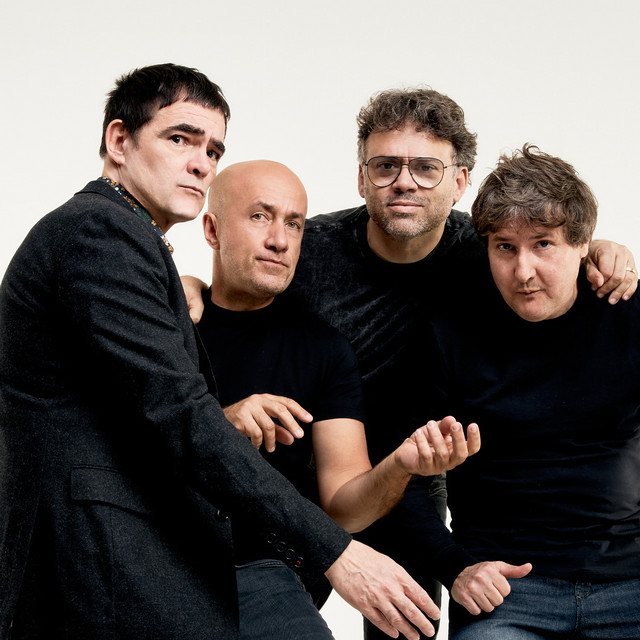
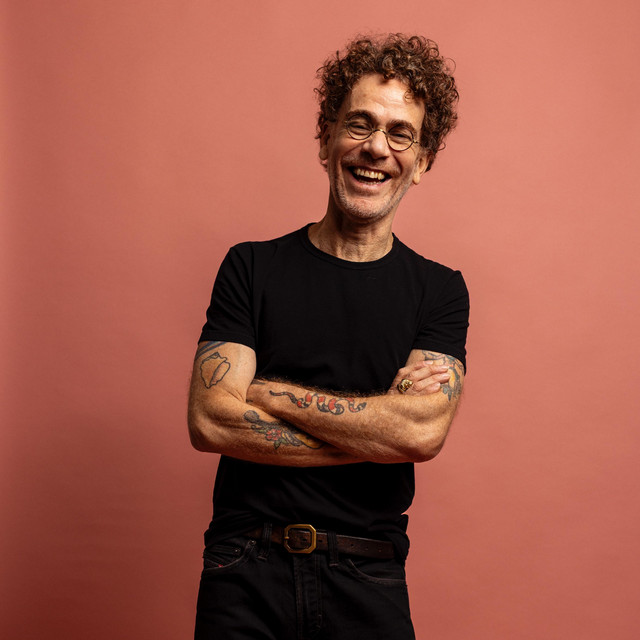
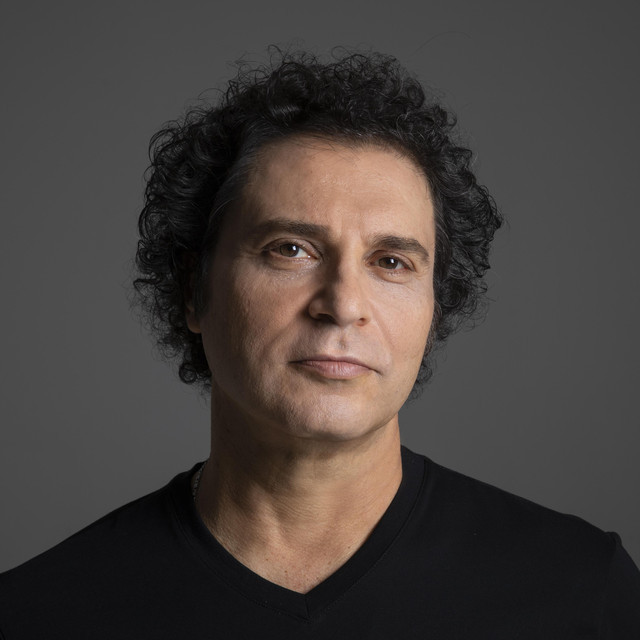
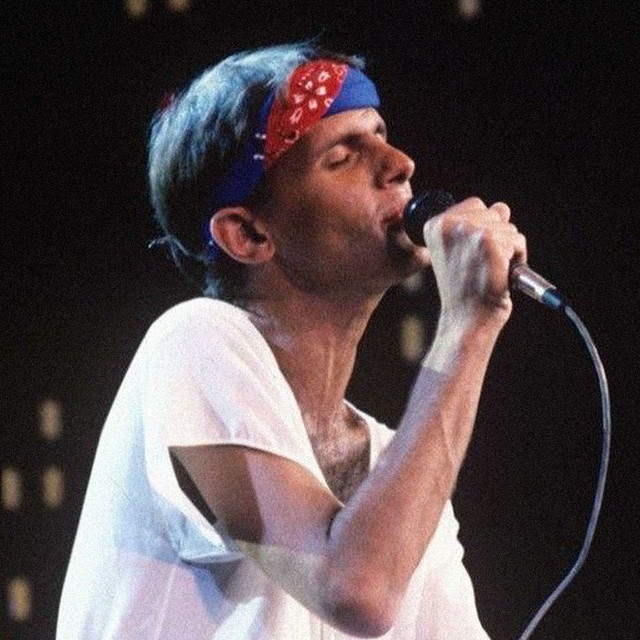
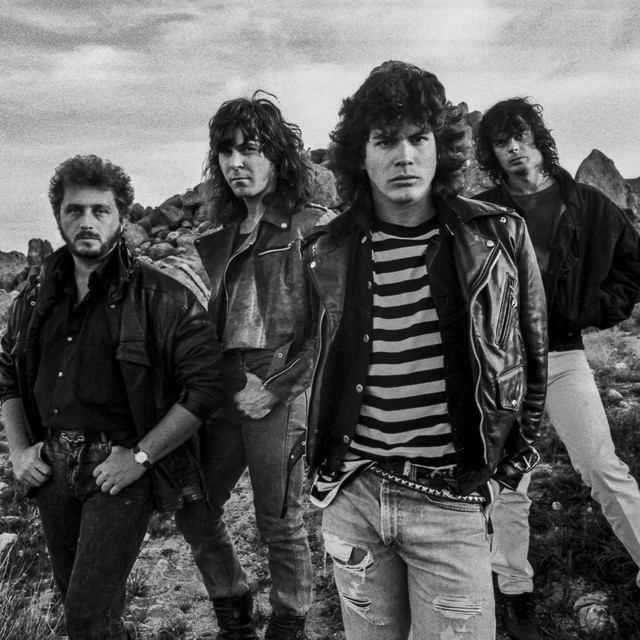
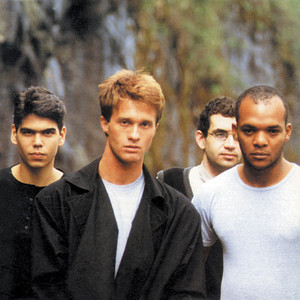
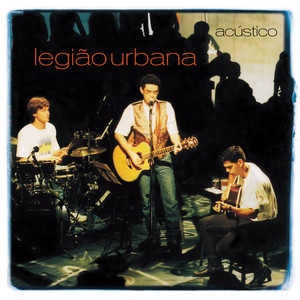
The band was formed in Brasília, DF, in 1982 by <a href="spotify:artist:3QLc39WR4dQAN1SgierGgE">Renato Russo</a>, vocals and guitar; <a href="spotify:artist:2ywFUqjB83BvAZy4eyNFN8">Marcelo Bonfá</a>, drums; and Dado Villa-Lobos, guitar. Guitarists Iko Ouro Preto and Eduardo Paraná were also invited into the group, but the first had a serious case of stage fright and the second was adept at guitar soloing, a sophistication that had no place in the band's straightforward sound. In 1983, the band opened in Rio and São Paulo, with the support of the Paralamas do Sucesso, who recorded "Química" and "O que eu não disse" (songs by <a href="spotify:artist:3QLc39WR4dQAN1SgierGgE">Renato Russo</a>) on their first album, Cinema Mudo. At the same time, a demo tape with "Geração Coca-Cola" and "Ainda é Cedo" began to be played on the Fluminense FM show The Maldita. In their initial contacts with EMI-Odeon, the group included bassist Renato Rocha, after <a href="spotify:artist:6vGDqznIIURg6ZYltNu8AQ">Russo</a> slit his wrists in a suicide attempt.
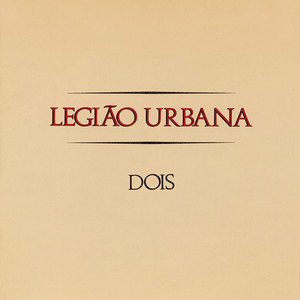
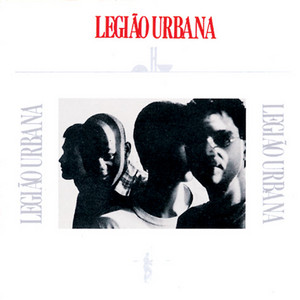
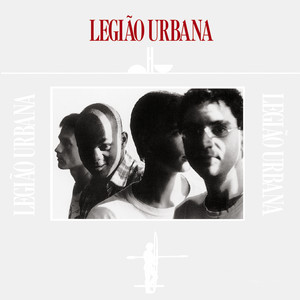
Legião Urbana recorded their first LP in 1985, Legião Urbana, soon before the Rock in Rio festival, which troubled its release. After six months, the album became a hit and sold 100,000 copies with "Será" (Renato Rocha), one of the biggest hits of the year. Meanwhile, all of the tracks also became hits. It was followed by the LPs Dois (1986) (which sold 800,000 copies with many hits, especially "Eduardo e Mônica") and Que País é Este? (with "Faroeste Caboclo") (1987), all three having inscribed the band as one of the most important of the decade. Their live shows in Brasília always shared a disturbing propensity for violence, despite the bandmembers' wishes. In December 1986, their show at the Nilson Nelson Gymnasium ended with a girl dead and 20 people injured, and in 1988, playing for 50,000 people, the band had to run after <a href="spotify:artist:24digbd7Jn9oSHiZ1tOOnb">Rocha</a> was physically attacked by a guy who climbed the stage. This was followed by a riot that produced 60 arrests and 385 injuries. In 1988, in Rio, Legião Urbana performed for 20,000 people in the II Alternativa Nativa Festival, also performing in the third edition of the festival in July of the same year.
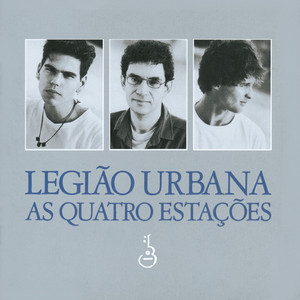
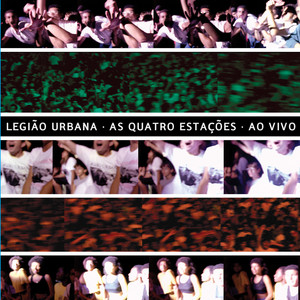
In 1989, Renato Rocha left the band, and they continued as a trio with <a href="spotify:artist:3QLc39WR4dQAN1SgierGgE">Renato Russo</a> taking bass. As quatro estações, recorded that year, consisted of re-recordings of the group's songs and sold 450,000 copies. On July 7, 1990, they played for 60,000 people in Rio's Jockey Club. Legião Urbana V (1991), the double-live album Música para acampamentos (1992), Descobrimento do Brasil (1993), and A tempestade (1996) would continue the saga of the band. In that year, <a href="spotify:artist:3QLc39WR4dQAN1SgierGgE">Renato Russo</a> died of AIDS and the band dissolved. ~ Alvaro Neder, Rovi
Monthly Listeners
6.4 million
Monthly Listeners History
Track the evolution of monthly listeners over the last 28 days.
Followers
7.8 million
Followers History
Track the evolution of followers over the last 28 days.
Total Streams
2.7 billion
Total Streams History
Track the evolution of total streams over the last 28 days. This data is calculated from all tracks listed in the artist's discography.