Genre
british invasion
Top British invasion Artists
Showing 25 of 48 artists


About British invasion
The British Invasion refers to a watershed moment in popular music when British rock and pop groups suddenly dominated the United States charts and, by extension, helped redefine global rock music in the mid-1960s. Born from a vibrant postwar British scene—rooted in skiffle, blues, and Merseybeat—the wave exploded in 1964 as a parade of bands from across the UK crossed the Atlantic and changed the soundscape of American pop culture almost overnight.
Its genesis lies in the early 1960s British clubs and radio, where Liverpool’s Merseybeat groups and their contemporaries fused American rhythm and blues with infectious melodies and tight vocal harmonies. The turning point came with The Beatles, who transformed an already lively scene into a worldwide phenomenon. Their breakthrough in the United States, marked by the December 1963 release of I Want to Hold Your Hand and their February 1964 Ed Sullivan Show appearance, ignited a frenzy that made “British” synonymous with vitality, youth, and new rock energy. The effect was immediate and contagious.
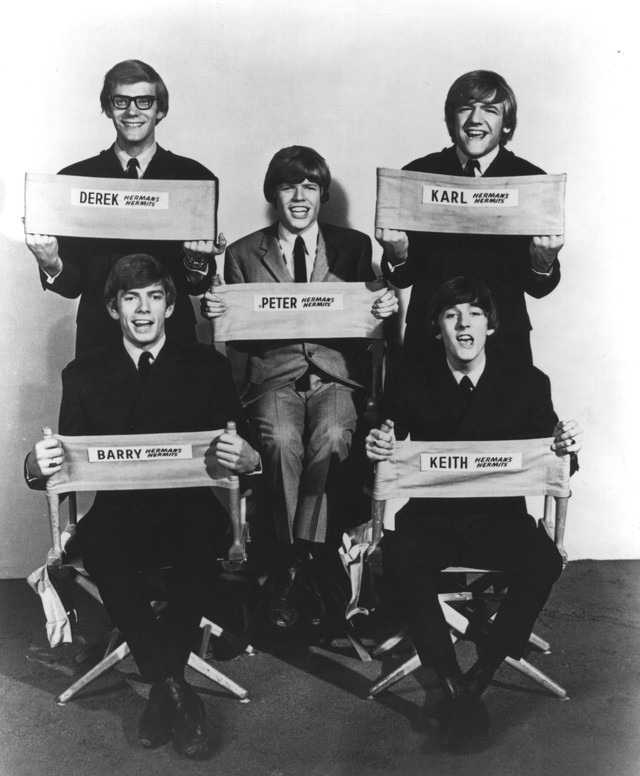
The invasion wasn’t a single act but a constellation of ambassadors and drivers. The Beatles became the premier symbol and the most influential force, shaping guitar-driven pop with clever arrangements and studio prowess. They were soon followed by other English powerhouses that broadened the palette: The Rolling Stones brought a darker, blues-inflected edge; The Kinks offered keen storytelling and punchy riffs; The Who fused explosive energy with concept-driven live performances and studio experiments; The Dave Clark Five delivered relentless, radio-friendly punch; The Animals brought a raw, continental blues-mound sound; Gerry and the Pacemakers, Herman’s Hermits, and The Hollies mined bright harmonies and accessible hooks; The Zombies offered intricate melodies and slightly more sophisticated arrangements; The Yardbirds—through disciplines of blues-rock and later in the careers of Clapton, Beck, and Page—pushed guitar innovation further. Collectively, these acts forged a template: guitar-driven riffs, memorable choruses, and a sense of swagger that would define rock for years.
Musically, the British Invasion blended American blues and R&B with British pop sensibilities, creating a cleaner, more radio-friendly version of rock that appealed to teenagers and adults alike. It popularized tight vocal harmonies, infectious melody hooks, and the now-familiar guitar-bass-drums engine, while also injecting fashion, haircuts, and visual style into the music press and mainstream culture. The era also spurred cross-Atlantic tours, sharper production techniques, and a sense that pop music could be both commercially massive and artistically ambitious.
In terms of reach, the movement hit the United States hardest, becoming a cultural juggernaut there, but its influence quickly radiated to Canada, Australia, continental Europe, and beyond. The British Invasion opened doors for waves of European and American artists to remix and respond to British energy, reshaping rock into a more global, interconnected language. While the spark is often pinned to 1964–1966, its long shadow—fashioning a British music identity, inspiring future generations of guitar bands, and proving that music from across the Atlantic could redefine a nation’s sound—remains audible in rock for decades to come.
Its genesis lies in the early 1960s British clubs and radio, where Liverpool’s Merseybeat groups and their contemporaries fused American rhythm and blues with infectious melodies and tight vocal harmonies. The turning point came with The Beatles, who transformed an already lively scene into a worldwide phenomenon. Their breakthrough in the United States, marked by the December 1963 release of I Want to Hold Your Hand and their February 1964 Ed Sullivan Show appearance, ignited a frenzy that made “British” synonymous with vitality, youth, and new rock energy. The effect was immediate and contagious.
The invasion wasn’t a single act but a constellation of ambassadors and drivers. The Beatles became the premier symbol and the most influential force, shaping guitar-driven pop with clever arrangements and studio prowess. They were soon followed by other English powerhouses that broadened the palette: The Rolling Stones brought a darker, blues-inflected edge; The Kinks offered keen storytelling and punchy riffs; The Who fused explosive energy with concept-driven live performances and studio experiments; The Dave Clark Five delivered relentless, radio-friendly punch; The Animals brought a raw, continental blues-mound sound; Gerry and the Pacemakers, Herman’s Hermits, and The Hollies mined bright harmonies and accessible hooks; The Zombies offered intricate melodies and slightly more sophisticated arrangements; The Yardbirds—through disciplines of blues-rock and later in the careers of Clapton, Beck, and Page—pushed guitar innovation further. Collectively, these acts forged a template: guitar-driven riffs, memorable choruses, and a sense of swagger that would define rock for years.
Musically, the British Invasion blended American blues and R&B with British pop sensibilities, creating a cleaner, more radio-friendly version of rock that appealed to teenagers and adults alike. It popularized tight vocal harmonies, infectious melody hooks, and the now-familiar guitar-bass-drums engine, while also injecting fashion, haircuts, and visual style into the music press and mainstream culture. The era also spurred cross-Atlantic tours, sharper production techniques, and a sense that pop music could be both commercially massive and artistically ambitious.
In terms of reach, the movement hit the United States hardest, becoming a cultural juggernaut there, but its influence quickly radiated to Canada, Australia, continental Europe, and beyond. The British Invasion opened doors for waves of European and American artists to remix and respond to British energy, reshaping rock into a more global, interconnected language. While the spark is often pinned to 1964–1966, its long shadow—fashioning a British music identity, inspiring future generations of guitar bands, and proving that music from across the Atlantic could redefine a nation’s sound—remains audible in rock for decades to come.