Data may be outdated
Last updated: 2 months ago — Click refresh to get the latest statistics.
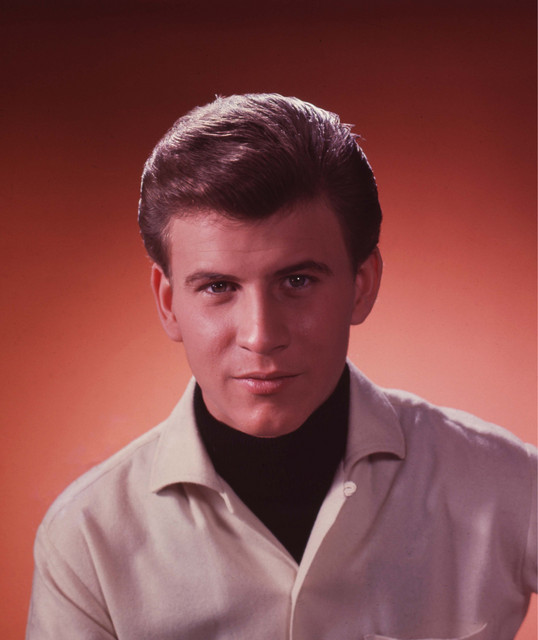
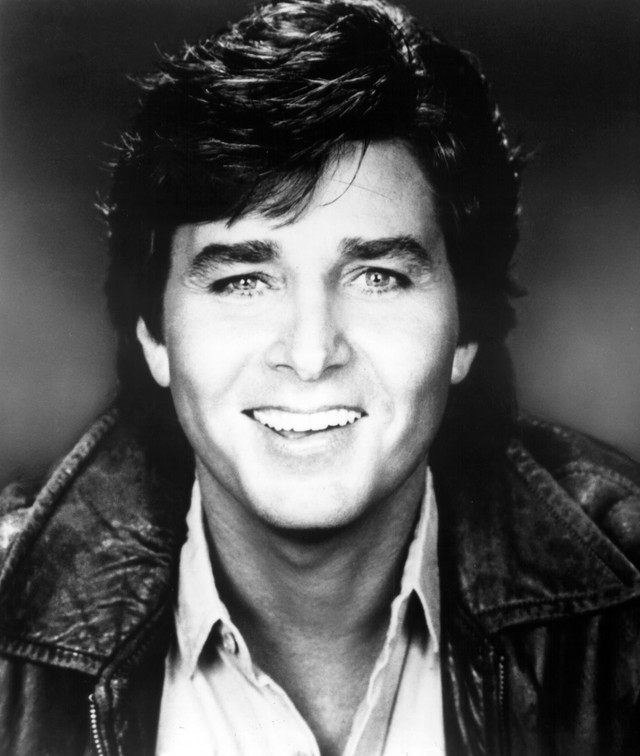
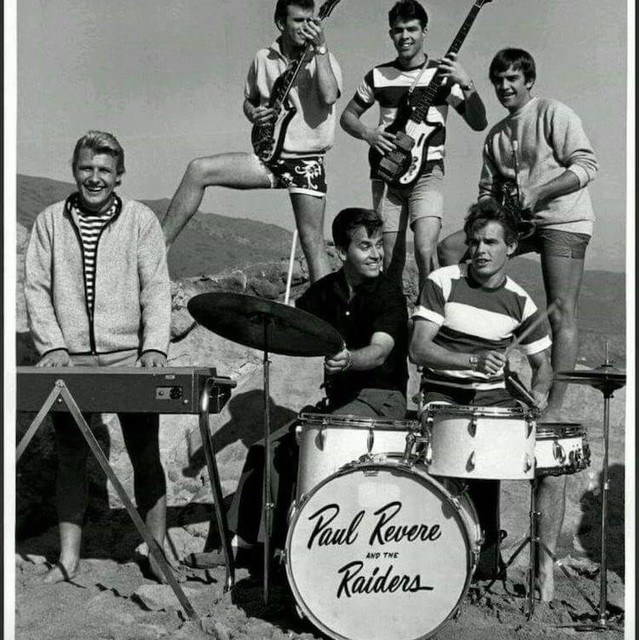
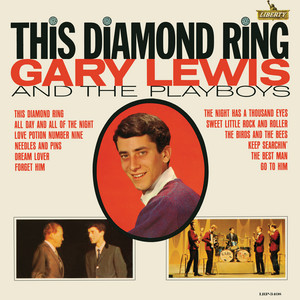
Gary and his band got a gig during the summer of 1964 playing at Disneyland, and that engagement, coupled with some urging by the elder <a href="spotify:artist:5aSnz1nvFeSHw02Ijw0VO3">Lewis</a>, helped get the band a hearing from Snuff Garrett, a top producer at Liberty Records. Garrett saw some possibilities for the group and encouraged them to work in the studio to develop a sound. <a href="spotify:artist:5aSnz1nvFeSHw02Ijw0VO3">Lewis</a> even got some pointers in his approach to his instrument by no less a figure than <a href="spotify:artist:1pVtwG5Up1OZOEpSHJ4AAs">Buddy Rich</a>. It finally happened for them late in 1964 with a song called "This Diamond Ring," co-authored (with <a href="spotify:artist:03hfAxVdAWj7kxDnSG0fLD">the Drifters</a> in mind) by a young <a href="spotify:artist:49JvZ17o0VaAmXaJv5kZlv">Al Kooper</a>. The resulting record found <a href="spotify:artist:5aSnz1nvFeSHw02Ijw0VO3">Lewis</a> singing (with lots of doubling of his voice) and <a href="spotify:artist:5aSnz1nvFeSHw02Ijw0VO3">the Playboys</a> playing on some of the basic tracks; far more prominent were <a href="spotify:artist:5W6Vbf1DmTUOpvsXq4lQFJ">Hal Blaine</a> on timpani and arranger <a href="spotify:artist:6r1Xmz7YUD4z0VRUoGm8XN">Leon Russell</a> dubbing much of what was left. The album was nonetheless a career-making smash.
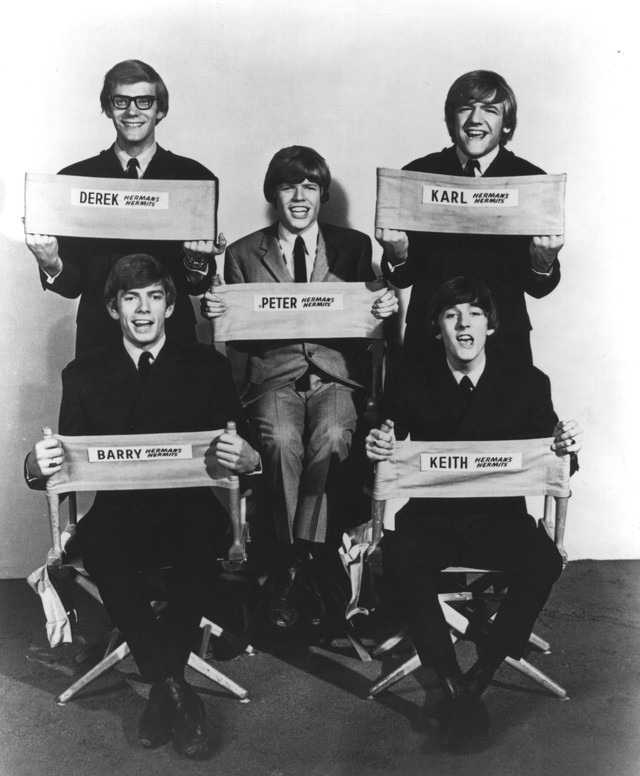
"This Diamond Ring" hit number one on the charts in early 1965, right in the middle of the British Invasion, and introduced <a href="spotify:artist:5aSnz1nvFeSHw02Ijw0VO3">Lewis</a> to the public. It also gave him a singing persona that was especially appealing to preteens and younger teenagers as a kind of likable nerd, not unlike the pose adopted by <a href="spotify:artist:3gZ4Lrq3hdTnUv43ZMj0Yi">Peter Noone</a> of <a href="spotify:artist:48YxSlb23RAaCd4RyHcV9V">Herman's Hermits</a>. Every boy under age 16 whose voice ever tightened up or even squeaked slightly while asking out a girl they liked -- or who simply feared being unlucky in love -- could identify with the persona that <a href="spotify:artist:5aSnz1nvFeSHw02Ijw0VO3">Lewis</a> presented, while girls adored him as someone "safe." In a sense, <a href="spotify:artist:5aSnz1nvFeSHw02Ijw0VO3">Lewis</a> was a successor to such teen pop idols as <a href="spotify:artist:4nY5VEhngVtjnM69AFanJq">Fabian</a> and <a href="spotify:artist:5zNOI87gG4RttFmYAZWaxQ">Frankie Avalon</a>, with a touch of Beaver Cleaver-ish nerdiness that fit well in the early to mid-'60s. It was all a long way from what <a href="spotify:artist:22bE4uQ6baNwSHPVcDxLCe">the Rolling Stones</a> or even <a href="spotify:artist:3WrFJ7ztbogyGnTHbHJFl2">the Beatles</a> were doing at the time, but it found an audience that also included parents and other post-teen listeners who appreciated the smoothness and attractiveness of Garrett and <a href="spotify:artist:6r1Xmz7YUD4z0VRUoGm8XN">Russell</a>'s work as producer and arranger, respectively.
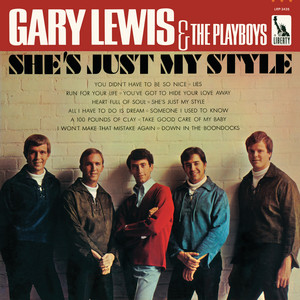
The original <a href="spotify:artist:5aSnz1nvFeSHw02Ijw0VO3">Playboys</a>, later augmented by <a href="spotify:artist:3aztJCXxqYQyBPRbjPmXq2">Jim Keltner</a> on drums, stayed together for the first seven singles, and <a href="spotify:artist:5aSnz1nvFeSHw02Ijw0VO3">Lewis</a>' career remained on track throughout 1966 with an enviable string of hits, including the beautiful "She's Just My Style," which was sort of his graduation from the nerd persona, as well as the point when he gave up playing drums to front the group as a full-time singer. Garrett and <a href="spotify:artist:6r1Xmz7YUD4z0VRUoGm8XN">Russell</a> kept the records coming and the group even wrangled a movie appearance in A Swingin' Summer, a teen comedy notable for starring Raquel Welch in a key role. <a href="spotify:artist:5aSnz1nvFeSHw02Ijw0VO3">Lewis</a> might have sustained his career well into the decade had not the draft intervened. Called into the armed forces in December of 1966, he was forced to record while on leave, and an attempt at extending his career with recordings completed before going overseas failed.
His efforts at updating his sound with the album I'm on the Right Road Now, following his discharge late in 1968, were similarly ignored. In the two years he'd been away, a more formulaic bubblegum pop/rock had emerged from outfits such as <a href="spotify:artist:6EHdKd4m8DzNf9NhVeJSVI">the Ohio Express</a>, which more than filled the needs of a new wave of preteens and young teen listeners, and no one wanted to hear <a href="spotify:artist:5aSnz1nvFeSHw02Ijw0VO3">Lewis</a> do anything else. After releasing a handful of singles in the early '70s, <a href="spotify:artist:5aSnz1nvFeSHw02Ijw0VO3">Lewis</a> became a beloved denizen of the oldies circuit, fronting different groups called <a href="spotify:artist:5aSnz1nvFeSHw02Ijw0VO3">the Playboys</a>. ~ Bruce Eder, Rovi
Monthly Listeners
103,323
Monthly Listeners History
Track the evolution of monthly listeners over the last 28 days.
Followers
157,262
Followers History
Track the evolution of followers over the last 28 days.
Total Streams
57.6 million
Total Streams History
Track the evolution of total streams over the last 28 days. This data is calculated from all tracks listed in the artist's discography.
Top Cities



Related Artists

The Cuff Links


![This Diamond Ring (2023 Mix) [Acapella] - Single](https://i.scdn.co/image/ab67616d00001e02844090cee2d3d82e25198d67)


![This Diamond Ring [Extended Version (Remastered)]](https://i.scdn.co/image/ab67616d00001e0292705b1f7cc144e0f9b3b0b4)