Genre
bubblegum pop
Top Bubblegum pop Artists
Showing 25 of 560 artists













About Bubblegum pop
Bubblegum pop is a bright, hook-driven branch of late-1960s pop that treats songwriting like a manufacturing process: short, radio-ready songs built around instantly singable melodies, simple chords, and chorus-driven hooks. Its sonic hallmark is optimism, often in major keys, with crisp production, handclaps, chord changes that snap rather than meander, and harmonies that feel almost toy-like in their clarity. It flourished as a child- and teen-targeted flavor of pop, designed for maximum instant appeal and quick, repeatable consumption on AM radio and commercial singles.
The genre appears in the cultural foreground in the United States around 1967–1969, as producers and record labels crafted a new kind of mass-market pop. Bubblegum pop emerged from a network of TV teen idols, cartoon-hero branding, and the “bubblegum factory” approach of record producers who could turn a simple, catchy tune into a hit. Buddah Records and associated production teams played a central role, circulating a string of short, high-energy songs that could be recorded quickly and released to maintain chart momentum. While the sound is polished and commercial, it also serves as a window into the era’s youth culture: bright, carefree, and deliberately crafted for broad appeal.
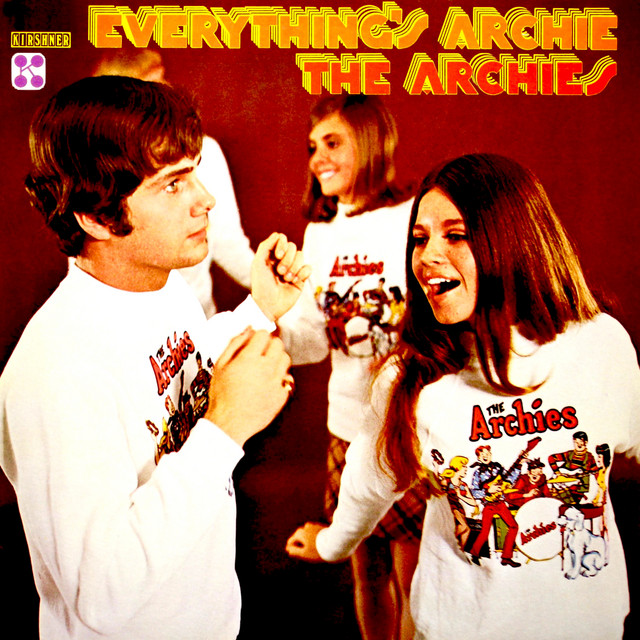
Among the genre’s emblematic acts and ambassadors, a few names anchor the sound in the ears of enthusiasts. The Archies’ Sugar, Sugar (1969) remains one of the most recognizable emblems of bubblegum pop; written by Jeff Barry and Andy Kim, and performed by session singers associated with the Archies’ cartoon-band concept, it became a global currency for the style. The Ohio Express and the 1910 Fruitgum Company were among the early bubblegum powerhouses, with hits like Yummy Yummy Yummy and Simon Says that defined the era’s sonic template. The Partridge Family, led by David Cassidy and produced in the same spirit of teen-centric, TV-enabled pop, brought bubblegum sensibilities into mainstream rock markets with I Think I Love You (1970), a No. 1 hit in the United States and Canada and a touchstone for the crossover between television branding and pop music. Producers Jerry Kasenetz and Jeff Katz are often cited as pivotal shapers of the late-’60s bubblegum sound, curating a series of acts that employed the same factory-line approach to choruses, vocal textures, and short running times.
Geographically, bubblegum pop has its strongest roots in the United States, but it enjoyed visibility in other markets, particularly the United Kingdom, Canada, Australia, and parts of mainland Europe, where the currency of teen-idol culture and novelty singles found receptive audiences. Its popularity waned as the early 1970s rolled in, supplanted by glam rock, soft rock, and the growing sophistication of pop; yet its legacy remains tangible in later power-pop and glossy, hook-first pop aesthetics, and it continues to be revisited as a historical lens on late-1960s youth culture and the age of the short, bright pop single. For enthusiasts, bubblegum pop offers a precise sonic snapshot: the joy of a perfectly engineered hook, the charm of teen-idol mystique, and a music-making ethos that prioritized instant delight over complexity. If you crave a sound that feels both nostalgic and relentlessly catchy, bubblegum pop is a compact, irresistible gateway.
The genre appears in the cultural foreground in the United States around 1967–1969, as producers and record labels crafted a new kind of mass-market pop. Bubblegum pop emerged from a network of TV teen idols, cartoon-hero branding, and the “bubblegum factory” approach of record producers who could turn a simple, catchy tune into a hit. Buddah Records and associated production teams played a central role, circulating a string of short, high-energy songs that could be recorded quickly and released to maintain chart momentum. While the sound is polished and commercial, it also serves as a window into the era’s youth culture: bright, carefree, and deliberately crafted for broad appeal.
Among the genre’s emblematic acts and ambassadors, a few names anchor the sound in the ears of enthusiasts. The Archies’ Sugar, Sugar (1969) remains one of the most recognizable emblems of bubblegum pop; written by Jeff Barry and Andy Kim, and performed by session singers associated with the Archies’ cartoon-band concept, it became a global currency for the style. The Ohio Express and the 1910 Fruitgum Company were among the early bubblegum powerhouses, with hits like Yummy Yummy Yummy and Simon Says that defined the era’s sonic template. The Partridge Family, led by David Cassidy and produced in the same spirit of teen-centric, TV-enabled pop, brought bubblegum sensibilities into mainstream rock markets with I Think I Love You (1970), a No. 1 hit in the United States and Canada and a touchstone for the crossover between television branding and pop music. Producers Jerry Kasenetz and Jeff Katz are often cited as pivotal shapers of the late-’60s bubblegum sound, curating a series of acts that employed the same factory-line approach to choruses, vocal textures, and short running times.
Geographically, bubblegum pop has its strongest roots in the United States, but it enjoyed visibility in other markets, particularly the United Kingdom, Canada, Australia, and parts of mainland Europe, where the currency of teen-idol culture and novelty singles found receptive audiences. Its popularity waned as the early 1970s rolled in, supplanted by glam rock, soft rock, and the growing sophistication of pop; yet its legacy remains tangible in later power-pop and glossy, hook-first pop aesthetics, and it continues to be revisited as a historical lens on late-1960s youth culture and the age of the short, bright pop single. For enthusiasts, bubblegum pop offers a precise sonic snapshot: the joy of a perfectly engineered hook, the charm of teen-idol mystique, and a music-making ethos that prioritized instant delight over complexity. If you crave a sound that feels both nostalgic and relentlessly catchy, bubblegum pop is a compact, irresistible gateway.