Genre
christian country
Top Christian country Artists
Showing 25 of 1,260 artists










About Christian country
Christian country, also known as country gospel or sacred country, is a music genre that fuses traditional country storytelling and instrumentation with explicit Christian lyrical themes. It sits at a crossroads where the gospel choir’s harmony and the down-to-earth grit of rural string bands meet. For enthusiasts, the appeal lies in the seamless blending of rootsy, home-spun textures with messages of faith, hope, mercy, and praise.
Origins trace back to the early 20th century in the United States, when Southern gospel and early rural country forms began to mingle. The Carter Family, recording in the late 1920s, helped anchor gospel-inflected material within country music, setting a template for narrative songs that spoke directly to faith and daily life. As radio and live stages like the Grand Ole Opry became powerful platforms, the blend of sacred content with country form found a broad audience. By the 1950s and 1960s, artists such as Hank Williams and other frontier country figures carried spiritual songs and gospel-inflected tunes into the mainstream, widening the genre’s reach beyond strictly church circles.
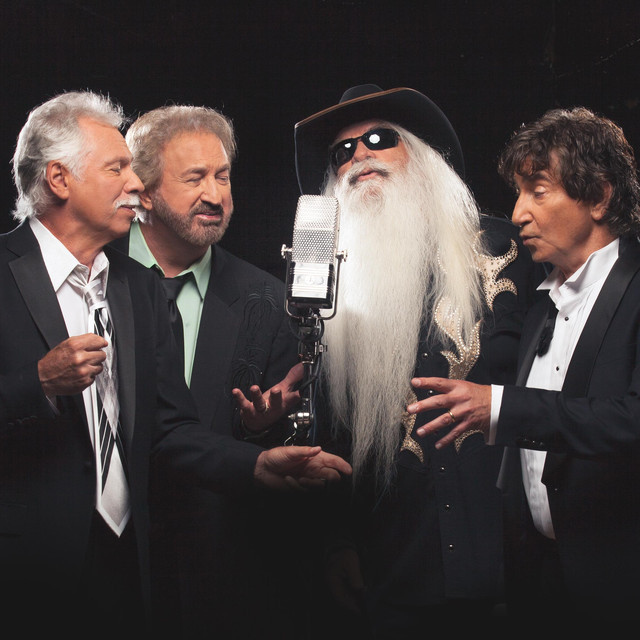
The genre’s mid-to-late 20th century identity solidified through enduring acts that could perform both secular country and sacred material with equal conviction. The Oak Ridge Boys and The Statler Brothers became emblematic ambassadors, achieving commercial success while keeping gospel themes at the core of their work. Their harmonies, which often resembled a tightening gospel quartet, demonstrated that country music could be emotionally expansive and overtly devotional without losing its infectious, twangy immediacy. Johnny Cash stands as another towering figure—his deep, resonant voice carried reverence and introspection across decades, with numerous gospel records and live performances that drew in listeners who prized both faith and raw storytelling. Dolly Parton, Willie Nelson, and Randy Travis also contributed to the canon, bringing faith-centered material into broader country audiences and helping modernize the sound without sacrificing the tradition.
In contemporary scenes, Christian country remains robust in the United States, particularly in the South and Midwest, where churchgoing culture and country radio share a long history. It also enjoys niche but dedicated followings in Canada, the United Kingdom, Australia, and parts of Europe, where festival stages, radio blocks, and streaming playlists curate a steady stream of sacred-country releases. Modern practitioners range from veteran artists who continue to tour on faith-centered circuits to younger singer-songwriters who blend traditional instrumentation—acoustic guitar, fiddle, pedal steel—with contemporary country arrangements and hopeful, devotional lyrics. Albums and tracks often emphasize storytelling about perseverance, gratitude, redemption, and community.
For listeners, Christian country offers a warm, familiar texture—the familiar three-chord progression, the echo of a tight harmony, the tactile sound of a banjo or steel guitar—paired with lyrics that invite reflection and inspiration. It’s a genre that honors tradition while inviting new voices to tell timeless stories of faith through the language of country music. Whether you come for the historical lineage or the modern harmonies, Christian country remains a steady beacon in the broader country music landscape.
Origins trace back to the early 20th century in the United States, when Southern gospel and early rural country forms began to mingle. The Carter Family, recording in the late 1920s, helped anchor gospel-inflected material within country music, setting a template for narrative songs that spoke directly to faith and daily life. As radio and live stages like the Grand Ole Opry became powerful platforms, the blend of sacred content with country form found a broad audience. By the 1950s and 1960s, artists such as Hank Williams and other frontier country figures carried spiritual songs and gospel-inflected tunes into the mainstream, widening the genre’s reach beyond strictly church circles.
The genre’s mid-to-late 20th century identity solidified through enduring acts that could perform both secular country and sacred material with equal conviction. The Oak Ridge Boys and The Statler Brothers became emblematic ambassadors, achieving commercial success while keeping gospel themes at the core of their work. Their harmonies, which often resembled a tightening gospel quartet, demonstrated that country music could be emotionally expansive and overtly devotional without losing its infectious, twangy immediacy. Johnny Cash stands as another towering figure—his deep, resonant voice carried reverence and introspection across decades, with numerous gospel records and live performances that drew in listeners who prized both faith and raw storytelling. Dolly Parton, Willie Nelson, and Randy Travis also contributed to the canon, bringing faith-centered material into broader country audiences and helping modernize the sound without sacrificing the tradition.
In contemporary scenes, Christian country remains robust in the United States, particularly in the South and Midwest, where churchgoing culture and country radio share a long history. It also enjoys niche but dedicated followings in Canada, the United Kingdom, Australia, and parts of Europe, where festival stages, radio blocks, and streaming playlists curate a steady stream of sacred-country releases. Modern practitioners range from veteran artists who continue to tour on faith-centered circuits to younger singer-songwriters who blend traditional instrumentation—acoustic guitar, fiddle, pedal steel—with contemporary country arrangements and hopeful, devotional lyrics. Albums and tracks often emphasize storytelling about perseverance, gratitude, redemption, and community.
For listeners, Christian country offers a warm, familiar texture—the familiar three-chord progression, the echo of a tight harmony, the tactile sound of a banjo or steel guitar—paired with lyrics that invite reflection and inspiration. It’s a genre that honors tradition while inviting new voices to tell timeless stories of faith through the language of country music. Whether you come for the historical lineage or the modern harmonies, Christian country remains a steady beacon in the broader country music landscape.