Genre
bongo flava
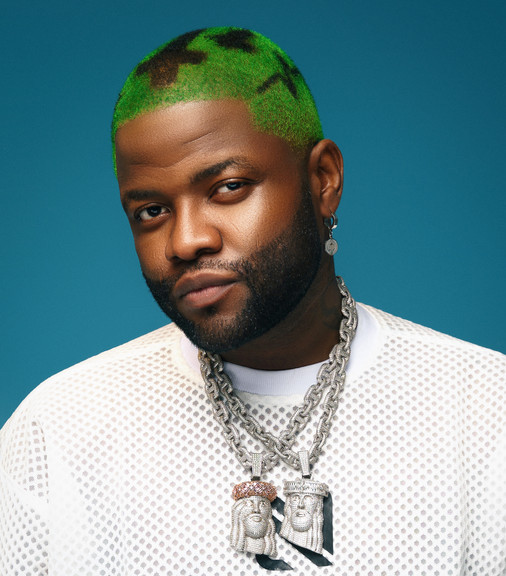
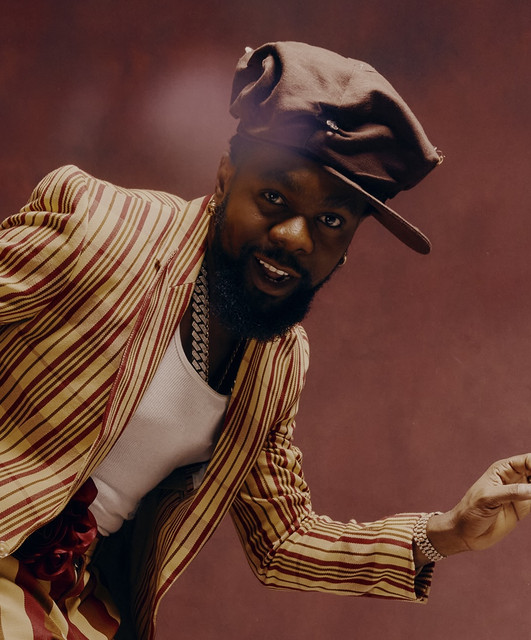
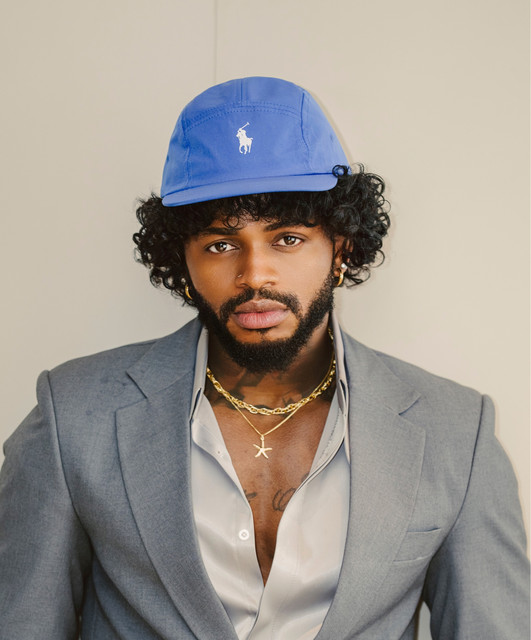
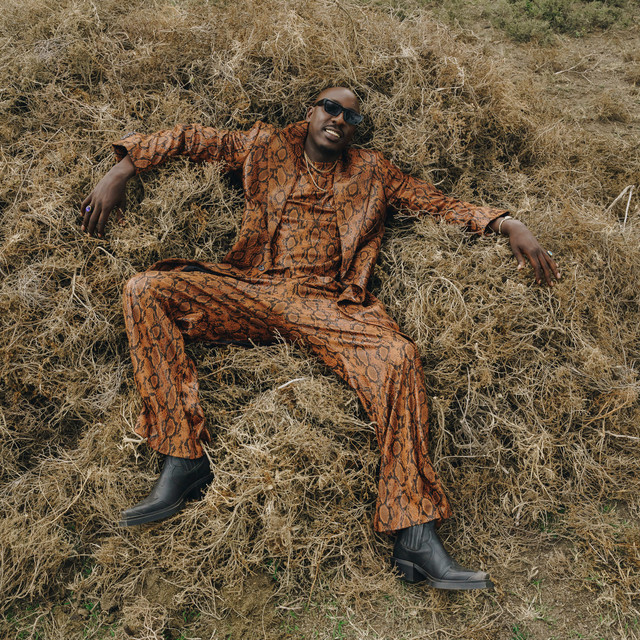
Top Bongo flava Artists
Showing 25 of 884 artists





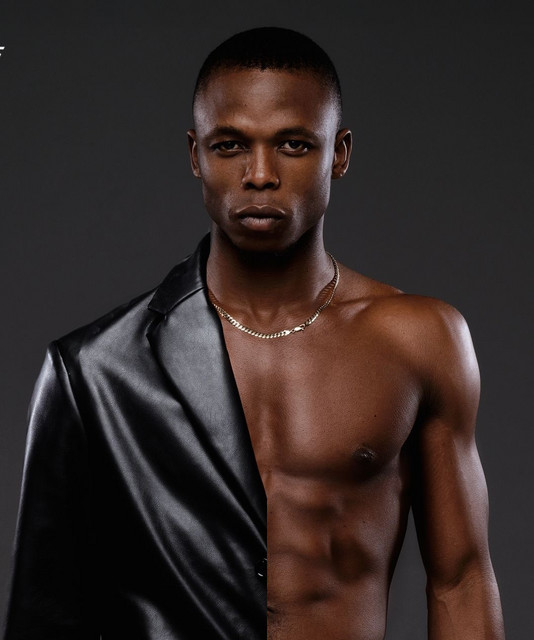
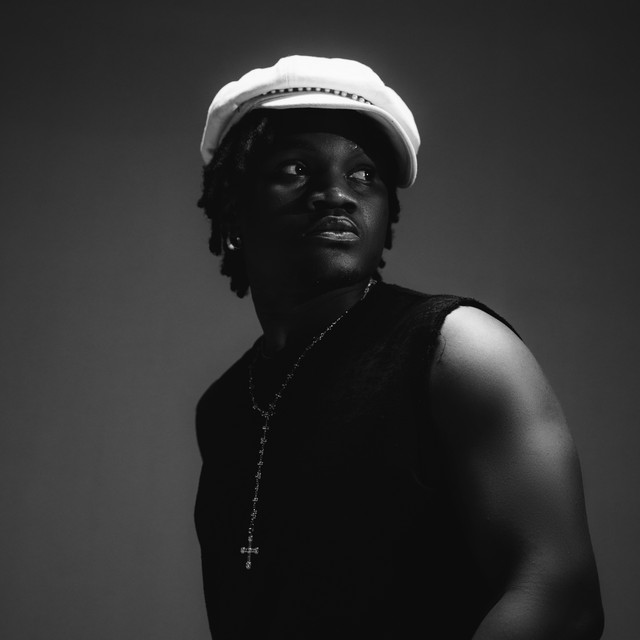
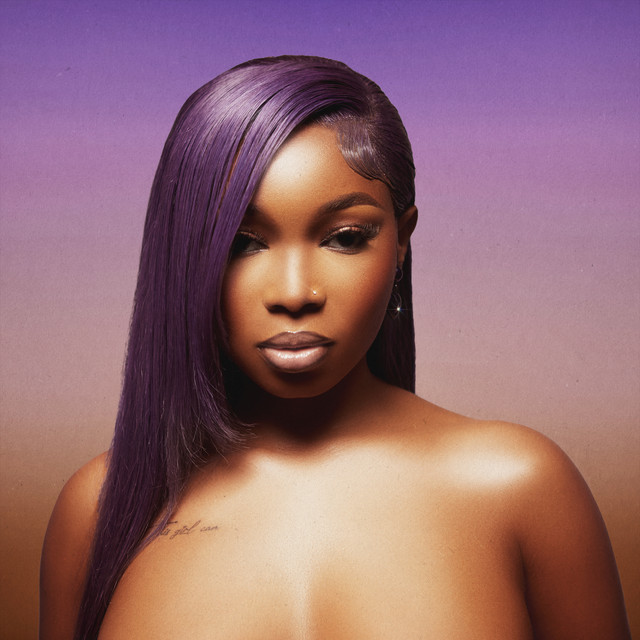
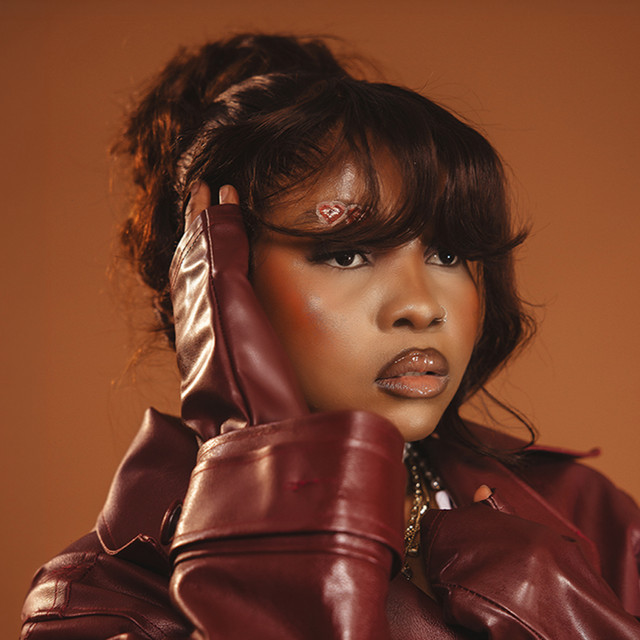



About Bongo flava
Bongo Flava is the pulsating urban sound of Tanzania, a vivid fusion that mixes hip-hop, R&B, dancehall, Afro-pop, and electronic textures with Swahili storytelling. Born in the late 1990s in Dar es Salaam, it grew from neighborhood studios, improvised home productions, and the evolving radio and club scenes. Producers and MCs blended Western rap cadences with local rhythms and slang, gradually shaping a distinctly Tanzanian voice that could be heard in cars, markets, and video screens across the city. By the 2000s, Bongo Flava had crystallized into a recognizable genre, a soundtrack for a generation navigating rapid social change and global connections.
The name itself signals the local origin and flavor: “Bongo” refers to Dar es Salaam and its cultural milieu, while “Flava” captures the idea of flavor or style. It isn’t a single sound, but a umbrella for a wide range of approaches—from streetwise rap and melodic pop to hip-hop-inflected dancehall and R&B-infused ballads. Swahili is the dominant language, often layered with English phrases, clever wordplay, and urban slang that make the lyrics instantly relatable to East Africans while remaining accessible to global listeners through catchy hooks and high-energy beats.
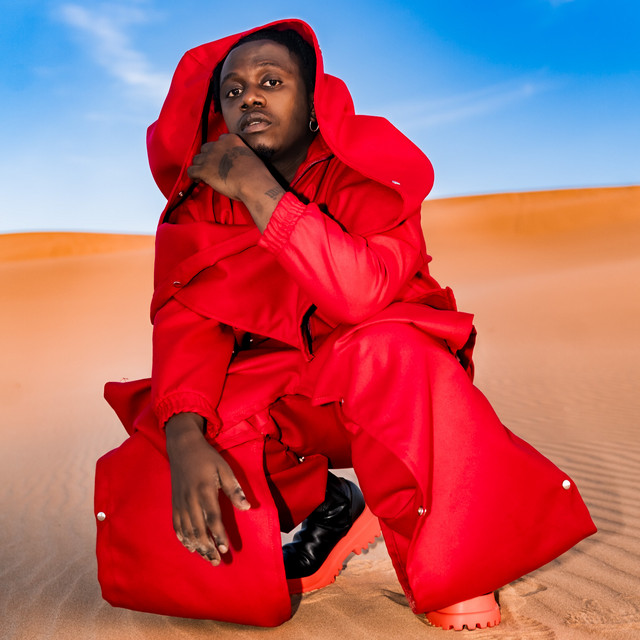
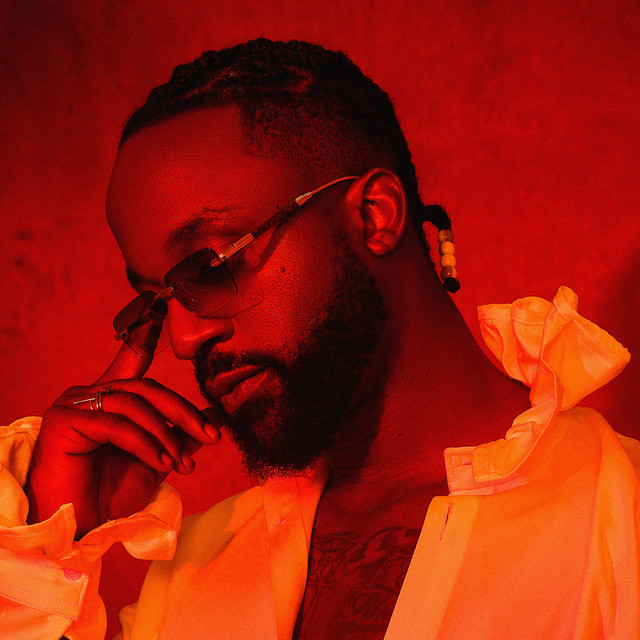
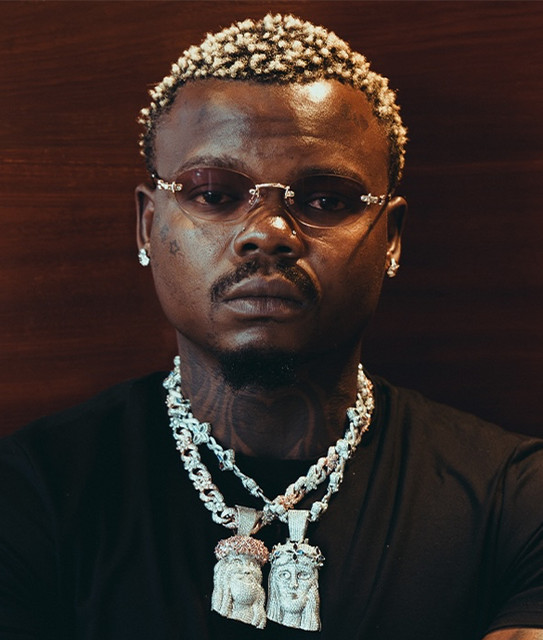
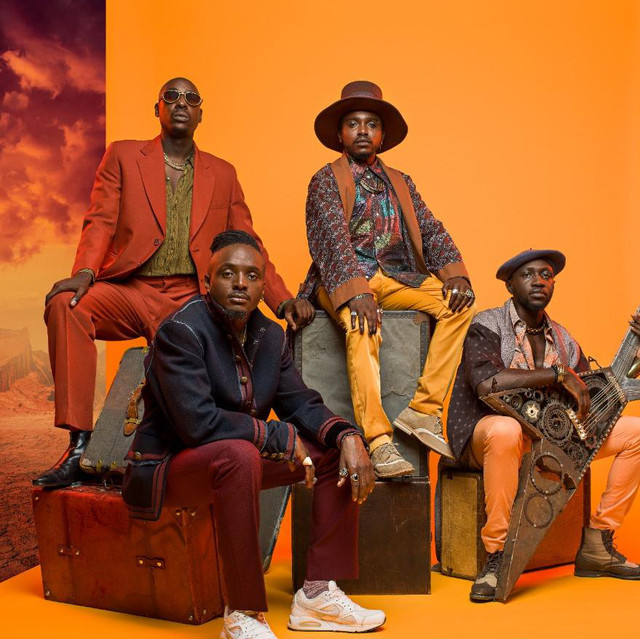
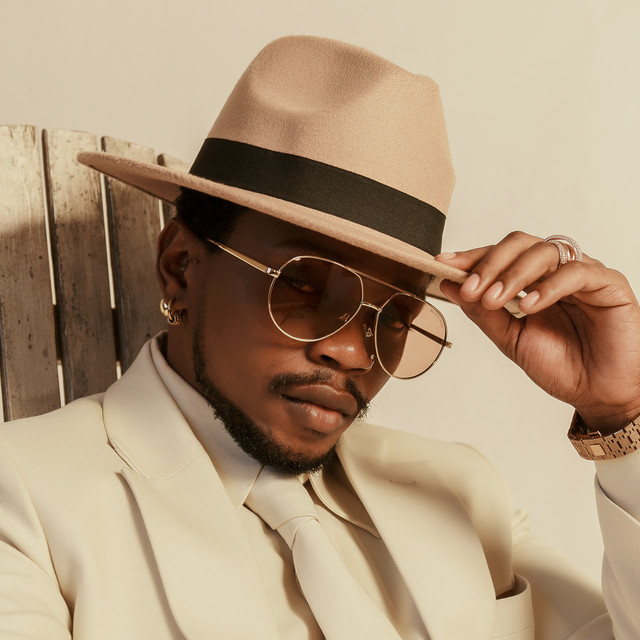
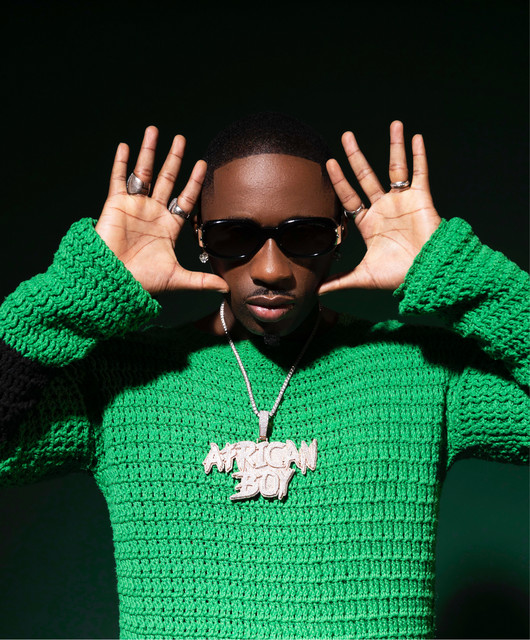
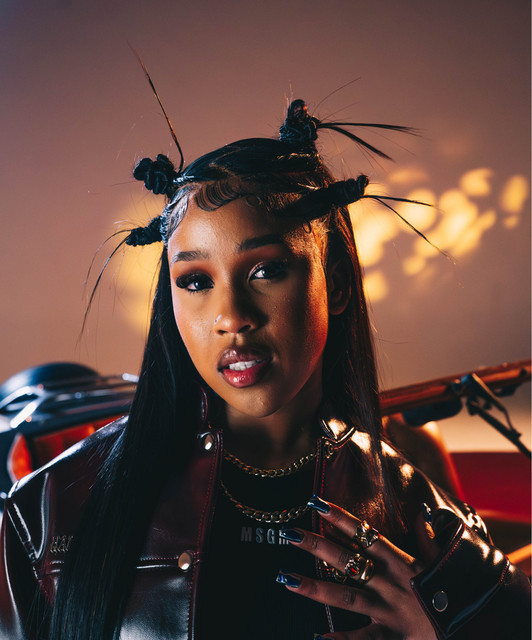
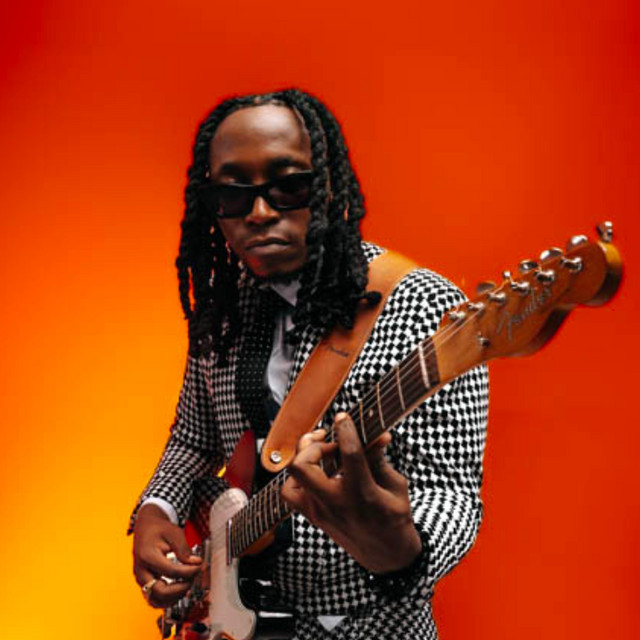
Central to its identity are the artists who turned Bongo Flava into a continental movement. Early trailblazers like Juma Nature helped lay the groundwork for Tanzanian hip-hop, while later generations merged pop sensibilities with rap bravura to reach broader audiences. In the 2010s and beyond, several names became international ambassadors of the sound. Diamond Platnumz stands out as a global star; his work with Wasafi (and collaborations across Africa and beyond) helped bring Bongo Flava to a worldwide stage. Ali Kiba followed, combining strong vocal melodies with radio-friendly production. Harmonize—often associated with the “Konde” era—pushed bold melodic and dancefloor-friendly strains, inspiring a whole subculture. Other major voices include Rayvanny, Mbosso, and Zuchu, who continued the WCB Wasafi lineage with polished productions that travel well across borders. Nandy and Lady Jaydee are celebrated for their vocal command and contributions to the genre’s evolution, while Jux and other newer artists expanded the palette with contemporary traps and melodic pop.
Where is Bongo Flava most popular? Primarily in Tanzania, where it remains the dominant popular music genre and cultural barometer. It has also found strong audiences in neighboring East African countries—Kenya, Uganda, Rwanda, and Burundi—where the East African Sound is widely enjoyed and artists frequently collaborate. The Tanzanian diaspora in Europe and North America—Britain, the Netherlands, the United States and beyond—also keeps the music thriving, fueling online streams, social media buzz, and international festival appearances.
What makes Bongo Flava compelling for enthusiasts is its constant reinvention: it’s a living, breathing ecosystem where traditional Tanzanian flavors meet global pop, where street slang informs the voice, and where infectious hooks invite you to dance, sing along, and discover a rich tapestry of urban life on the Swahili-speaking continent. The genre’s ongoing evolution—through new subgenres, cross-border collaborations, and rising stars—ensures that Bongo Flava remains a central rhythm in East Africa’s contemporary music story.
The name itself signals the local origin and flavor: “Bongo” refers to Dar es Salaam and its cultural milieu, while “Flava” captures the idea of flavor or style. It isn’t a single sound, but a umbrella for a wide range of approaches—from streetwise rap and melodic pop to hip-hop-inflected dancehall and R&B-infused ballads. Swahili is the dominant language, often layered with English phrases, clever wordplay, and urban slang that make the lyrics instantly relatable to East Africans while remaining accessible to global listeners through catchy hooks and high-energy beats.
Central to its identity are the artists who turned Bongo Flava into a continental movement. Early trailblazers like Juma Nature helped lay the groundwork for Tanzanian hip-hop, while later generations merged pop sensibilities with rap bravura to reach broader audiences. In the 2010s and beyond, several names became international ambassadors of the sound. Diamond Platnumz stands out as a global star; his work with Wasafi (and collaborations across Africa and beyond) helped bring Bongo Flava to a worldwide stage. Ali Kiba followed, combining strong vocal melodies with radio-friendly production. Harmonize—often associated with the “Konde” era—pushed bold melodic and dancefloor-friendly strains, inspiring a whole subculture. Other major voices include Rayvanny, Mbosso, and Zuchu, who continued the WCB Wasafi lineage with polished productions that travel well across borders. Nandy and Lady Jaydee are celebrated for their vocal command and contributions to the genre’s evolution, while Jux and other newer artists expanded the palette with contemporary traps and melodic pop.
Where is Bongo Flava most popular? Primarily in Tanzania, where it remains the dominant popular music genre and cultural barometer. It has also found strong audiences in neighboring East African countries—Kenya, Uganda, Rwanda, and Burundi—where the East African Sound is widely enjoyed and artists frequently collaborate. The Tanzanian diaspora in Europe and North America—Britain, the Netherlands, the United States and beyond—also keeps the music thriving, fueling online streams, social media buzz, and international festival appearances.
What makes Bongo Flava compelling for enthusiasts is its constant reinvention: it’s a living, breathing ecosystem where traditional Tanzanian flavors meet global pop, where street slang informs the voice, and where infectious hooks invite you to dance, sing along, and discover a rich tapestry of urban life on the Swahili-speaking continent. The genre’s ongoing evolution—through new subgenres, cross-border collaborations, and rising stars—ensures that Bongo Flava remains a central rhythm in East Africa’s contemporary music story.