Genre
christmas
Top Christmas Artists
Showing 25 of 1,214 artists








About Christmas
Christmas music is a broad, seasonal genre that spans sacred carols, hymns and liturgical pieces as well as secular pop tunes, jazz standards, and orchestral arrangements crafted for the holiday season. It thrives on contrasts: sweeping melodies and intimate lyrics, winter imagery and festive exuberance, reverent reverie and cheeky nostalgia. For music enthusiasts, Christmas is not a single sound but a corpus of traditions, reinterpreted year after year by artists across genres.
Origins reach back to medieval Europe, where carols were sung in churches and towns to accompany liturgical holidays and harvest festivals. Early carols traveled through traveling minstrels and were translated into vernacular languages, gradually evolving from devotional function to communal celebration. By the 18th and 19th centuries, Christmas music became embedded in the Western canon with classic hymns like Silent Night and O Holy Night, and the revival of Christmas storytelling in print and performance. The modern commercial phase began in the 20th century, as recording and radio made seasonal tunes ubiquitous, and as singers began to craft evergreen repertoires that could be enjoyed in December year after year.
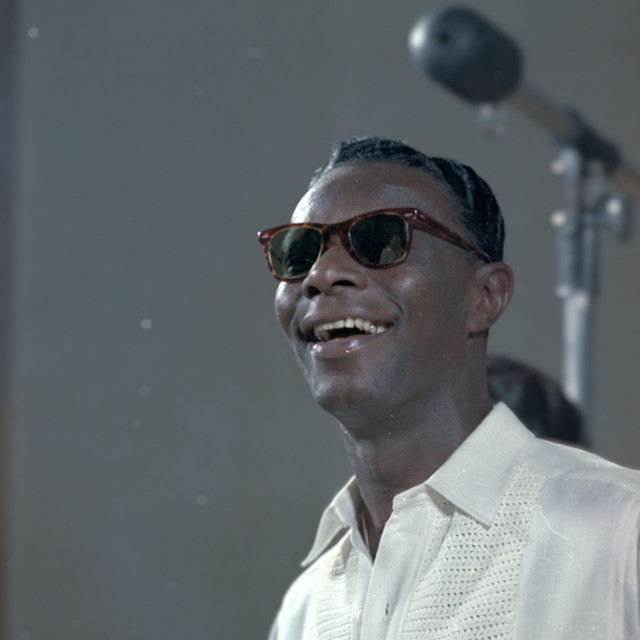
A landmark in the genre’s evolution is Irving Berlin’s White Christmas (1942), sung so iconically by Bing Crosby that it helped define how Christmas songs could become both intimate and universal. The mid-20th century produced a treasure trove of standards: Mel Tormé’s The Christmas Song (Chestnuts Roasting on an Open Fire) with its velvet, cozy imagery, and Nat King Cole’s warm, seductive treatment of the same season. These recordings helped Christmas music anchor itself in the popular imagination, not merely as background for the holidays but as a cultural event.
In the pop and mainstream domain, singles and albums with a Christmas theme often become year-long staples. George Michael and Wham!’s Last Christmas, Paul McCartney’s Wonderful Christmastime, and Mariah Carey’s All I Want for Christmas Is You are among the landmarks that push Christmas into the pop landscape with infectious hooks and durable hooks. Modern ambassadors include Michael Bublé, whose retro-leaning holiday albums have introduced new generations to big-band arrangements; Josh Groban and Andrea Bocelli combining grand vocal lines with lush orchestration; and the contemporary, cross-genre appeal of artists who fold seasonal songs into their broader catalogues.
Geographically, Christmas music is most deeply rooted in North America and Europe, where Christmas is celebrated with a rich carol tradition and a robust pop market. The United States and the United Kingdom are particularly influential, driving hit parades, radio formats, and streaming playlists every December. Yet Christmas songs resonate globally—translated carols, Latin-inflected holiday tunes like Jose Feliciano’s Feliz Navidad, and regional favorites across Europe, Australia, and beyond—evidencing the genre’s universal pull during the winter season.
Instrumentation and style within Christmas music are as diverse as the people who listen. The genre ranges from intimate piano and voice to grand orchestras, jazz quintets, choral ensembles, and electronic pop productions. Thematic threads—nostalgia, family, hope, winter landscapes, generosity—make the songs accessible to listeners who crave both comfort and novelty when the year winds down. For enthusiasts, Christmas music is less a fixed style and more a yearly invitation to reimagine what the season sounds like.
Origins reach back to medieval Europe, where carols were sung in churches and towns to accompany liturgical holidays and harvest festivals. Early carols traveled through traveling minstrels and were translated into vernacular languages, gradually evolving from devotional function to communal celebration. By the 18th and 19th centuries, Christmas music became embedded in the Western canon with classic hymns like Silent Night and O Holy Night, and the revival of Christmas storytelling in print and performance. The modern commercial phase began in the 20th century, as recording and radio made seasonal tunes ubiquitous, and as singers began to craft evergreen repertoires that could be enjoyed in December year after year.
A landmark in the genre’s evolution is Irving Berlin’s White Christmas (1942), sung so iconically by Bing Crosby that it helped define how Christmas songs could become both intimate and universal. The mid-20th century produced a treasure trove of standards: Mel Tormé’s The Christmas Song (Chestnuts Roasting on an Open Fire) with its velvet, cozy imagery, and Nat King Cole’s warm, seductive treatment of the same season. These recordings helped Christmas music anchor itself in the popular imagination, not merely as background for the holidays but as a cultural event.
In the pop and mainstream domain, singles and albums with a Christmas theme often become year-long staples. George Michael and Wham!’s Last Christmas, Paul McCartney’s Wonderful Christmastime, and Mariah Carey’s All I Want for Christmas Is You are among the landmarks that push Christmas into the pop landscape with infectious hooks and durable hooks. Modern ambassadors include Michael Bublé, whose retro-leaning holiday albums have introduced new generations to big-band arrangements; Josh Groban and Andrea Bocelli combining grand vocal lines with lush orchestration; and the contemporary, cross-genre appeal of artists who fold seasonal songs into their broader catalogues.
Geographically, Christmas music is most deeply rooted in North America and Europe, where Christmas is celebrated with a rich carol tradition and a robust pop market. The United States and the United Kingdom are particularly influential, driving hit parades, radio formats, and streaming playlists every December. Yet Christmas songs resonate globally—translated carols, Latin-inflected holiday tunes like Jose Feliciano’s Feliz Navidad, and regional favorites across Europe, Australia, and beyond—evidencing the genre’s universal pull during the winter season.
Instrumentation and style within Christmas music are as diverse as the people who listen. The genre ranges from intimate piano and voice to grand orchestras, jazz quintets, choral ensembles, and electronic pop productions. Thematic threads—nostalgia, family, hope, winter landscapes, generosity—make the songs accessible to listeners who crave both comfort and novelty when the year winds down. For enthusiasts, Christmas music is less a fixed style and more a yearly invitation to reimagine what the season sounds like.