Data may be outdated
Last updated: 3 weeks ago — Click refresh to get the latest statistics.
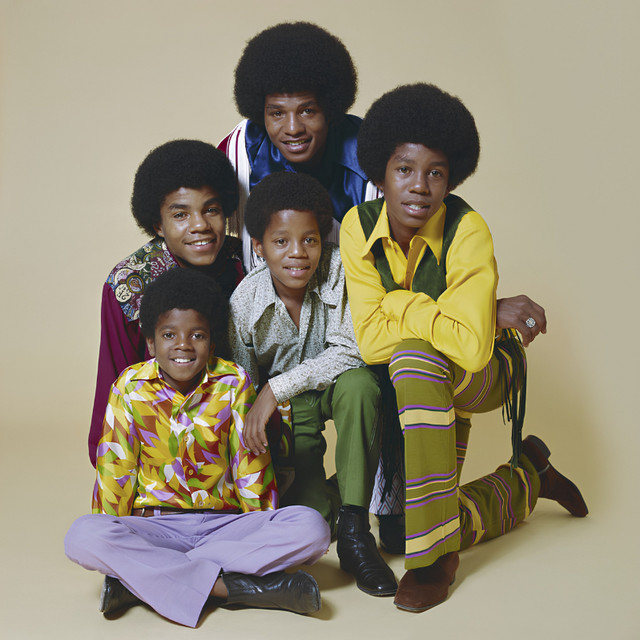
Originally, the Jackson 5 were composed of brothers <a href="spotify:artist:2bEtAD4lA2jHJK72C5yFqc">Jackie</a> (born Sigmund Jackson, May 4, 1951), <a href="spotify:artist:1laENy18mrm9kaI9BJUbdP">Tito</a> (guitar, born Toriano Jackson, October 15, 1953), <a href="spotify:artist:1VDurPMbOKrNU8mcMP4X1P">Jermaine</a> (bass, lead vocals, born December 11, 1954), <a href="spotify:artist:5DG9htBpiEo5W6jUmYgbKF">Marlon</a> (born March 12, 1957), and <a href="spotify:artist:3fMbdgg4jU18AjLCKBhRSm">Michael</a> (lead vocals, born August 29, 1958). The Jackson family's upbringing in Gary, Indiana, was strict; their mother, Katherine, was a devout Jehovah's Witness, and their father, Joe, was a stern, temperamental disciplinarian. Allowed few outside interests, the boys gravitated toward music, which was in their blood -- prior to his job as a crane operator for a steel company, Joe had played guitar in an R&B group called the Falcons (not the same group that launched <a href="spotify:artist:0N5PyKJzS3M1XNlaCL7bbE">Wilson Pickett</a>'s career). One night, Joe discovered that <a href="spotify:artist:2bEtAD4lA2jHJK72C5yFqc">Jackie</a>, <a href="spotify:artist:1laENy18mrm9kaI9BJUbdP">Tito</a>, and <a href="spotify:artist:1VDurPMbOKrNU8mcMP4X1P">Jermaine</a> had been playing his treasured old guitar without permission; though initially furious, he quickly discovered that his sons had genuine ability and began to conceive of a family singing group that might eventually get them out of their tough working-class life in Gary. The eldest three sons began performing around the area together in 1962, teamed with two cousins (Johnny Jackson and Ronnie Rancifer), who were replaced by <a href="spotify:artist:5DG9htBpiEo5W6jUmYgbKF">Marlon</a> and five-year-old <a href="spotify:artist:3fMbdgg4jU18AjLCKBhRSm">Michael</a>. Supervised by Joe, who became their manager and began working only part-time, the group practiced and rehearsed often, and quickly improved as dancers, singers, and instrumentalists. In particular, <a href="spotify:artist:3fMbdgg4jU18AjLCKBhRSm">Michael</a> proved himself a dynamic performer, soon replacing <a href="spotify:artist:1VDurPMbOKrNU8mcMP4X1P">Jermaine</a> as the featured lead vocalist and establishing himself as a nimble dancer able to mimic talents like <a href="spotify:artist:7GaxyUddsPok8BuhxN6OUW">James Brown</a>. At first, the group was known as Ripples & Waves Plus Michael, then the Jackson Brothers, and finally the Jackson 5.
In 1966, the Jackson 5 won an important local talent competition with a <a href="spotify:artist:3fMbdgg4jU18AjLCKBhRSm">Michael</a>-led rendition of <a href="spotify:artist:3RwQ26hR2tJtA8F9p2n7jG">the Temptations</a>' "My Girl." Their father, who had been chauffeuring them to out-of-state performances, also booked their first paid professional gigs that year. In 1967, the group won an amateur talent competition at Harlem's legendary Apollo Theater, where they earned an influential fan in <a href="spotify:artist:2aXiJJHJei5BmCykxI37y0">Gladys Knight</a> (probably the first person to recommend the group to <a href="spotify:search:label%3A%22Motown%22">Motown</a>). At the end of the year, the Jackson 5 made their first studio recordings for the small Gary-based <a href="spotify:search:label%3A%22Steeltown%22">Steeltown</a> label, and their single "Big Boy" became something of a local hit. Championed again to <a href="spotify:search:label%3A%22Motown%22">Motown</a> by <a href="spotify:artist:6se9nk5JphvvyasG3naQSX">Bobby Taylor</a>, a member of <a href="spotify:artist:2yu275LOWOLmpD885w1MMy">the Vancouvers</a> who'd seen the group in Chicago, and <a href="spotify:artist:3MdG05syQeRYPPcClLaUGl">Diana Ross</a>, the Jackson 5 finally got a chance to audition for the label in the summer of 1968. Desperately needing new talent, an impressed <a href="spotify:artist:4xRLKAf96K6YdGDWjY6ra8">Berry Gordy</a> signed the group and flew them out to his new headquarters in Los Angeles, where he and his assistants prepared them to be the label's next breakout stars. Having lost his famed <a href="spotify:artist:3ig4Yf8S2Bjq2yVsiayKM0">Holland-Dozier-Holland</a> songwriting team, <a href="spotify:artist:4xRLKAf96K6YdGDWjY6ra8">Gordy</a> formed a new partnership with Freddie Perren, Fonce Mizell, and Deke Richards dubbed the Corporation, which set about crafting material for the group.
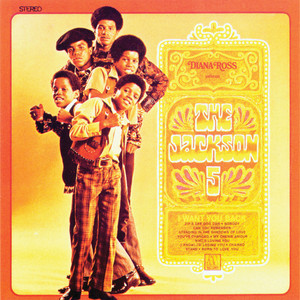
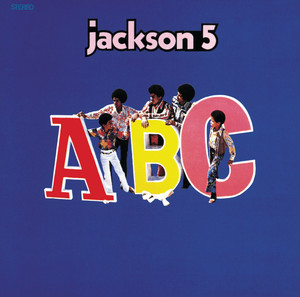
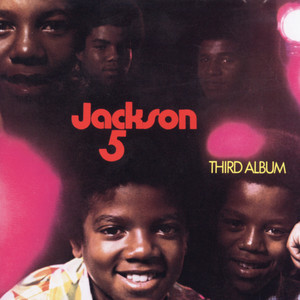
In August 1969, shortly before <a href="spotify:artist:3fMbdgg4jU18AjLCKBhRSm">Michael</a> turned 11, the Jackson 5 opened for <a href="spotify:artist:3MdG05syQeRYPPcClLaUGl">Diana Ross</a> at the L.A. Forum, and in December, they issued their debut album, Diana Ross Presents the Jackson 5. In October 1969, the Jackson 5 released their first single, "I Want You Back," a Corporation composition that had originally been intended for <a href="spotify:artist:2aXiJJHJei5BmCykxI37y0">Gladys Knight</a>. It was an instant smash, hitting number one on both the pop and R&B charts. So did their next two singles, "ABC" and "The Love You Save" (both from their second album, ABC), which solidified the group's so-called bubblegum-soul sound and certified them as pop sensations. Third Album was released before year's end, spawning the hit ballad "I'll Be There," which not only proved that the group (and lead singer <a href="spotify:artist:3fMbdgg4jU18AjLCKBhRSm">Michael</a>) were more mature and versatile than their bright, bouncy initial singles let on, but also made them the first group in pop history to have their first four singles hit number one. It also became the best-selling single in <a href="spotify:search:label%3A%22Motown%22">Motown</a> history, spending a stellar five weeks at number one. And it had still been less than a year since the group's national debut.
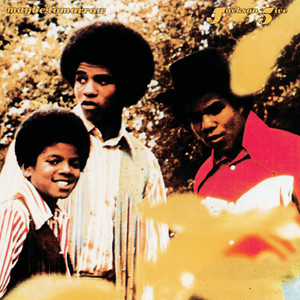
A virtual Jackson 5 cottage industry sprang up in the wake of their success, producing everything from dolls to a cartoon show on the ABC network (during the summer of 1971). Younger and younger listeners were brought into the fold, adding to an already broad appeal, and the record label that once billed itself as "the Sound of Young America" could once again lay legitimate claim to the title. Meanwhile, following their four straight number ones, the Jackson 5 opened 1971 with a pair of number two hits, "Mama's Pearl" and the ballad "Never Can Say Goodbye." "Maybe Tomorrow" was their first <a href="spotify:search:label%3A%22Motown%22">Motown</a> single not to make the pop Top Ten, though it still reached the R&B Top Five. That year, <a href="spotify:search:label%3A%22Motown%22">Motown</a> executives began priming <a href="spotify:artist:3fMbdgg4jU18AjLCKBhRSm">Michael</a> and <a href="spotify:artist:1VDurPMbOKrNU8mcMP4X1P">Jermaine</a> for solo careers that would run concurrently with the Jackson 5. <a href="spotify:artist:3fMbdgg4jU18AjLCKBhRSm">Michael</a> was the first to debut on his own (toward the end of 1971), and was an instant success; his first two singles, "Got to Be There" and "Rockin' Robin," both made the Top Five, and later in 1972 he scored his first pop number one with "Ben." <a href="spotify:artist:1VDurPMbOKrNU8mcMP4X1P">Jermaine</a> debuted at the end of 1972, and his first single, "Daddy's Home," reached the Top Ten. <a href="spotify:artist:2bEtAD4lA2jHJK72C5yFqc">Jackie</a> joined in with a self-titled 1973 solo effort.
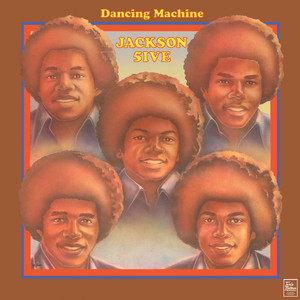
In the meantime, the Jackson 5 craze was beginning its inevitable cool down, though 1972's Lookin' Through the Windows became the fourth Top Ten album for the group. A couple years later, they scored what would be their last major smash for <a href="spotify:search:label%3A%22Motown%22">Motown</a>, the number two hit "Dancing Machine," a nod to the emerging sound of disco (it also topped the R&B chart). The group's frustrations with <a href="spotify:search:label%3A%22Motown%22">Motown</a> had been building -- not only did the label seem less interested in their career, but they still refused to allow <a href="spotify:artist:2yrbLiuBmc9j81lTX3XUuI">the Jacksons</a> to write or choose their own material, or play their own instruments on their records. Finally, in early 1976, <a href="spotify:artist:2yrbLiuBmc9j81lTX3XUuI">the Jacksons</a> left <a href="spotify:search:label%3A%22Motown%22">Motown</a> to sign with <a href="spotify:search:label%3A%22Epic%22">Epic</a>. When the legal battles ended, <a href="spotify:search:label%3A%22Motown%22">Motown</a> won a breach-of-contract settlement and retained rights to the Jackson 5 name, forcing the group to become <a href="spotify:artist:2yrbLiuBmc9j81lTX3XUuI">the Jacksons</a>. They also lost <a href="spotify:artist:1VDurPMbOKrNU8mcMP4X1P">Jermaine</a>, whose marriage to <a href="spotify:artist:4xRLKAf96K6YdGDWjY6ra8">Berry Gordy</a>'s daughter Hazel made it impractical for him to continue with his brothers. He was replaced by younger brother Randy (born Steven Randall Jackson, October 29, 1961), who had been performing with the group as a percussionist for some time.
<a href="spotify:artist:2yrbLiuBmc9j81lTX3XUuI">The Jacksons</a>' first two <a href="spotify:search:label%3A%22Epic%22">Epic</a> albums, The Jacksons and Goin' Places, were primarily written and produced by <a href="spotify:artist:0TEdanYTgQdUgNBPjK2vXI">Kenny Gamble</a> and <a href="spotify:artist:24uSOCTYbMPqL1B56WYT7T">Leon Huff</a>, Philly soul legends who brought in other <a href="spotify:search:label%3A%22Philadelphia+International%22">Philadelphia International</a> figures such as <a href="spotify:artist:3iQM78Xg0wJnGZhgVNLPmY">McFadden & Whitehead</a> and <a href="spotify:artist:7azp9wRyXcxIq5vZnJgYvt">Dexter Wansel</a>. The self-titled album yielded a Top Ten hit with "Enjoy Yourself." The group truly assumed control over their music and hit full stride with 1978's Destiny. Self-produced and largely self-written, it contained the hits "Blame It on the Boogie" (number three R&B) and "Shake Your Body (Down to the Ground)" (number seven pop; number three R&B), and helped encourage <a href="spotify:artist:3fMbdgg4jU18AjLCKBhRSm">Michael</a> to return to solo work. The brilliant 1979 album Off the Wall signified <a href="spotify:artist:3fMbdgg4jU18AjLCKBhRSm">Michael</a>'s arrival as a mature adult artist, but the singer remained with his brothers for the time being, helping them record a Grammy-nominated follow-up to Destiny in 1980's Triumph. Although the staggering commercial feats of <a href="spotify:artist:3fMbdgg4jU18AjLCKBhRSm">Michael</a>'s next solo album, Thriller, signaled the beginning of the end for <a href="spotify:artist:2yrbLiuBmc9j81lTX3XUuI">the Jacksons</a>, there would be more Jackson 5 success. <a href="spotify:artist:1VDurPMbOKrNU8mcMP4X1P">Jermaine</a> rejoined the group for 1984's Victory, the only album to feature all six brothers. The single "State of Shock," which featured guest vocalist <a href="spotify:artist:3d2pb1dHTm8b61zAGVUVvO">Mick Jagger</a>, hit number three that year, and the group's ensuing tour was a high-grossing spectacle. <a href="spotify:artist:3fMbdgg4jU18AjLCKBhRSm">Michael</a> and <a href="spotify:artist:5DG9htBpiEo5W6jUmYgbKF">Marlon</a> both left <a href="spotify:artist:2yrbLiuBmc9j81lTX3XUuI">the Jacksons</a>, and the latter released his solo debut in 1987. Randy, <a href="spotify:artist:1laENy18mrm9kaI9BJUbdP">Tito</a>, and <a href="spotify:artist:2bEtAD4lA2jHJK72C5yFqc">Jackie</a> appeared as <a href="spotify:artist:2yrbLiuBmc9j81lTX3XUuI">the Jacksons</a> on the soundtrack of Burglar. <a href="spotify:artist:2yrbLiuBmc9j81lTX3XUuI">The Jacksons</a> reconvened in 1989 for the album 2300 Jackson Street, which featured every Jackson sibling save La Toya on the title cut. The same year, <a href="spotify:artist:35K6stiF61TliXaP6SZ5LG">Randy & the Gypsys</a> released their lone, self-titled album, and <a href="spotify:artist:2bEtAD4lA2jHJK72C5yFqc">Jackie</a> made his solo debut with Be the One.
The Jackson 5 were inducted into the Rock & Roll Hall of Fame in 1997. All six brothers performed together four years later at Madison Square Garden for the televised special Michael Jackson: 30th Anniversary Celebration. In 2009, <a href="spotify:artist:2bEtAD4lA2jHJK72C5yFqc">Jackie</a>, <a href="spotify:artist:1laENy18mrm9kaI9BJUbdP">Tito</a>, <a href="spotify:artist:1VDurPMbOKrNU8mcMP4X1P">Jermaine</a>, and <a href="spotify:artist:5DG9htBpiEo5W6jUmYgbKF">Marlon</a> starred in The Jacksons: A Family Dynasty, a six-episode reality television series about the planning of a <a href="spotify:artist:2yrbLiuBmc9j81lTX3XUuI">Jacksons</a> album and tour. Filming was originally completed shortly before <a href="spotify:artist:3fMbdgg4jU18AjLCKBhRSm">Michael</a>'s death on June 25, and started again to document the brothers' response. (The album never materialized.) Still without Randy, <a href="spotify:artist:2yrbLiuBmc9j81lTX3XUuI">the Jacksons</a> embarked on the Unity Tour in 2012. They continued to perform throughout that decade and into the next. <a href="spotify:artist:1VDurPMbOKrNU8mcMP4X1P">Jermaine</a> left the group in 2020. <a href="spotify:artist:2bEtAD4lA2jHJK72C5yFqc">Jackie</a>, <a href="spotify:artist:1laENy18mrm9kaI9BJUbdP">Tito</a>, and <a href="spotify:artist:5DG9htBpiEo5W6jUmYgbKF">Marlon</a> were eventually joined by <a href="spotify:artist:1laENy18mrm9kaI9BJUbdP">Tito</a>'s son Taryll. <a href="spotify:artist:1laENy18mrm9kaI9BJUbdP">Tito Jackson</a> died on September 15, 2024, after suffering a heart attack. He was 70 years of age. ~ Andy Kellman & Steve Huey, Rovi
Monthly Listeners
16.8 million
Monthly Listeners History
Track the evolution of monthly listeners over the last 28 days.
Followers
3.0 million
Followers History
Track the evolution of followers over the last 28 days.
Total Streams
3.4 billion
Total Streams History
Track the evolution of total streams over the last 28 days. This data is calculated from all tracks listed in the artist's discography.
Top Cities



Related Artists
Daryl Hall & John Oates
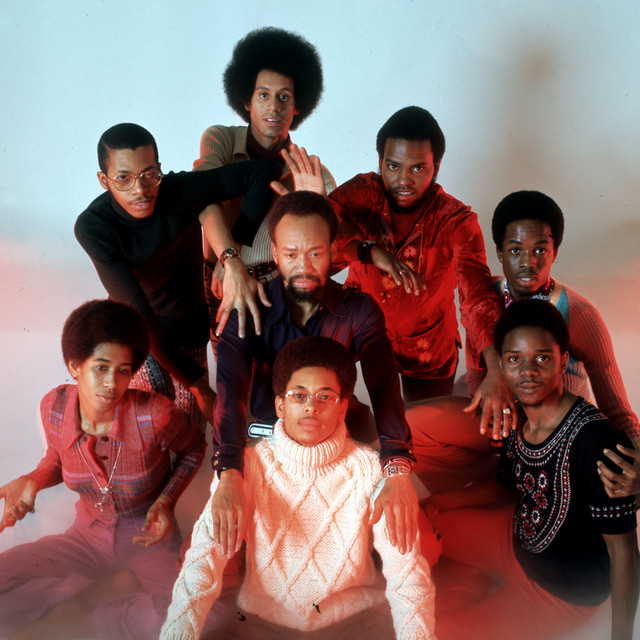
Earth, Wind & Fire
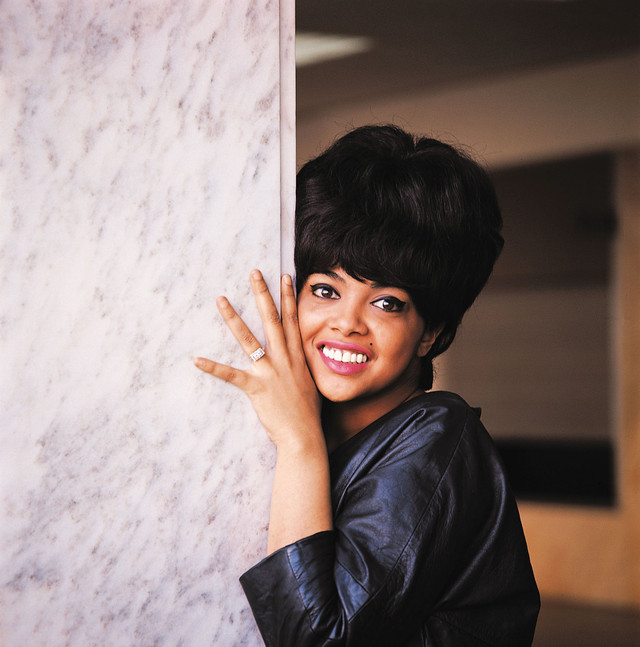
Tammi Terrell
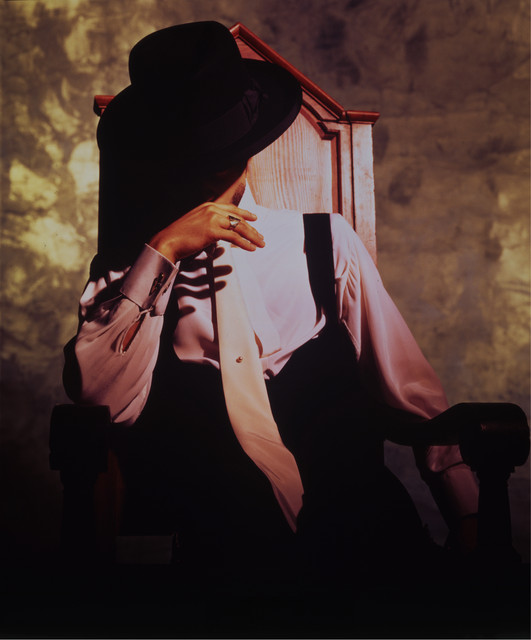
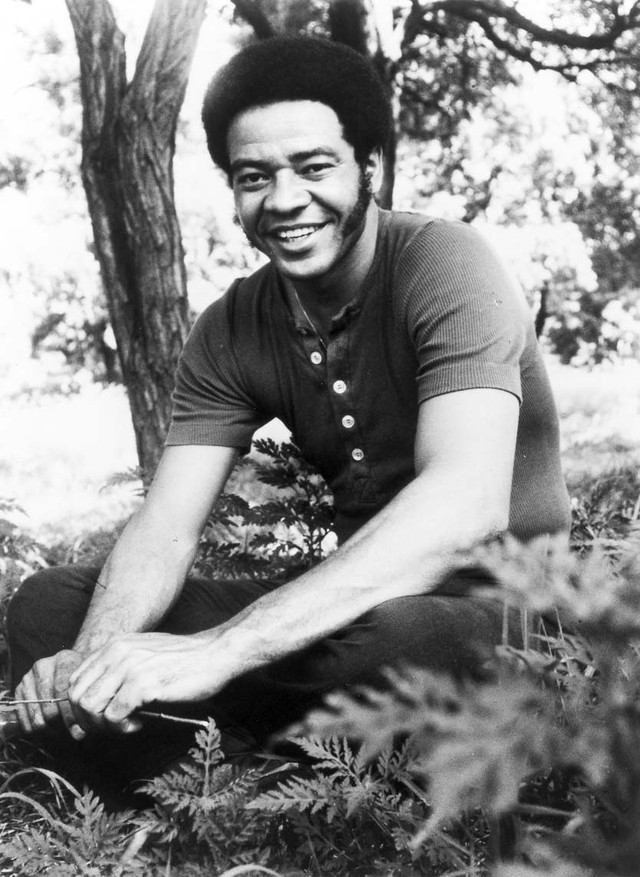
Bill Withers