Genre
disco
Top Disco Artists
Showing 25 of 644 artists


About Disco
Disco is a dance-driven, lushly produced music genre that emerged from urban club culture in the United States during the early to mid-1970s and quickly translated into a worldwide phenomenon by the end of the decade. Built on a steady four-on-the-floor beat, disco cycles its energy through steady kick drums, shimmering hi-hats, and syncopated basslines that lock listeners into the groove. The sound is expansive: orchestral strings, punchy horns, electric piano chords, and gospel-inflected vocals weave with funk, soul, and Latin accents to create a sense of propulsion and celebration. Tempos typically hover around 110 to 130 BPM, but the mood can swing—from sultry and seductive to triumphant and anthemic—depending on arrangement and mood.
Disco’s birth is usually tied to the urban nightlife of New York and its satellites, with clubs like the Paradise Garage, the Loft, and Studio 54 becoming emblematic hubs of a sensibility that celebrated dance as a communal, almost ceremonial act. The term itself is a contraction of “discotheque,” a nod to the culture of discotheque clubs across Europe where the music already circulated. Producers across the Atlantic helped crystallize the sound: early disco drew from funk, soul, jazz-rooted chords, and Latin rhythms, then layered sleek studio production and catchy hooks that made songs instantly club-ready and radio-friendly at once.
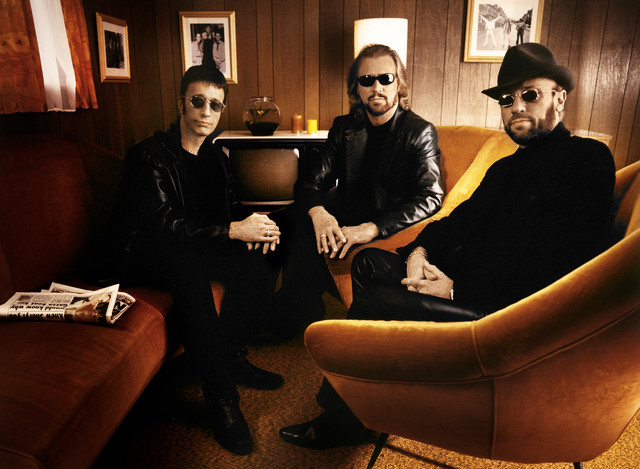
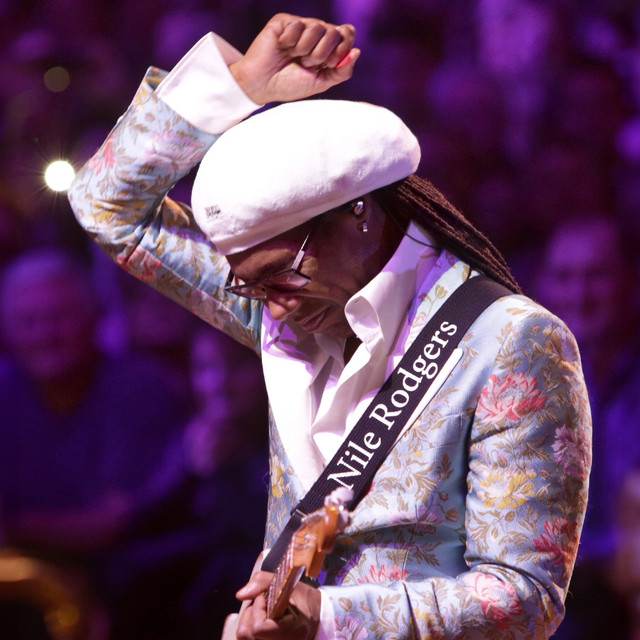
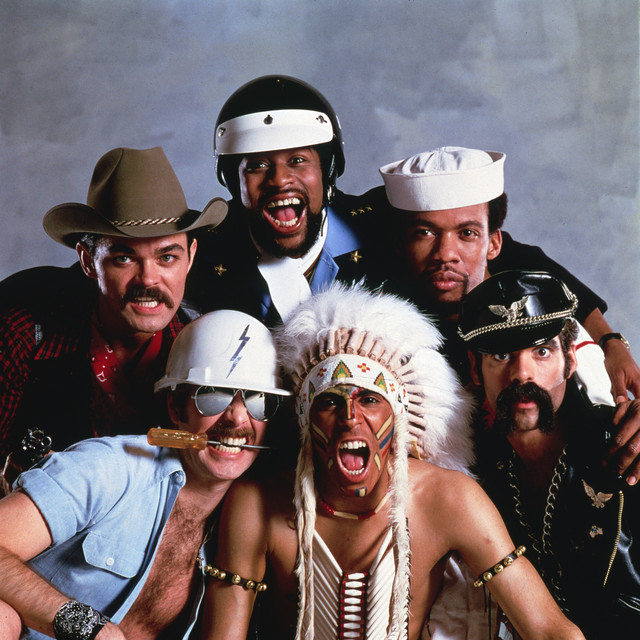
Among the genre’s most enduring ambassadors are a constellation of artists whose records defined the era. Donna Summer, often called the Queen of Disco, delivered timeless bankable anthems like Love to Love You Baby and I Feel Love, the latter pushing electronic textures to the foreground and forecasting the synth-driven directions of later EDM. The Bee Gees provided the crossover explosion with the Saturday Night Fever soundtrack, turning disco into a global language and shaping a pop-cultural moment in the late 1970s. Chic, led by Nile Rodgers and Bernard Edwards, blended couture groove with sophisticated arrangements on tracks like Le Freak and Good Times, becoming a blueprint for disco’s dancefloor elegance. Gloria Gaynor’s I Will Survive became an enduring anthem of resilience, while KC and the Sunshine Band, The Trammps, and Village People offered punchy, instantly recognizable tracks that fueled discos around the world.
Disco’s reach spread beyond the United States into Europe, especially Italy and France, giving rise to Euro disco and Italo disco subgenres that fed the global machine. Italian producers such as Giorgio Moroder became indispensable in shaping the synthesized, high-gloss disco that would influence decades of dance music, while in the UK and various continental markets, disco’s infectious energy translated into fashion, cinema, and club culture that persists in one form or another today. In places like Brazil and Japan, disco-based scenes and dance-pop sensibilities found eager audiences, blending with local grooves to yield regionally flavored takes on the sound.
Today, the spirit of disco endures in nu-disco and disco-house, in reissued classics, and in contemporary dance-pop that borrows its love of rhythm, euphoric energy, and communal dancing. It’s a genre that rewards warmth, craft, and a willingness to move bodies and spirits alike. If you crave a history lesson wrapped in a party, disco is your prime source—an audacious, communal art form that keeps evolving without losing its core heartbeat: the irresistible thrill of the dancefloor.
Disco’s birth is usually tied to the urban nightlife of New York and its satellites, with clubs like the Paradise Garage, the Loft, and Studio 54 becoming emblematic hubs of a sensibility that celebrated dance as a communal, almost ceremonial act. The term itself is a contraction of “discotheque,” a nod to the culture of discotheque clubs across Europe where the music already circulated. Producers across the Atlantic helped crystallize the sound: early disco drew from funk, soul, jazz-rooted chords, and Latin rhythms, then layered sleek studio production and catchy hooks that made songs instantly club-ready and radio-friendly at once.
Among the genre’s most enduring ambassadors are a constellation of artists whose records defined the era. Donna Summer, often called the Queen of Disco, delivered timeless bankable anthems like Love to Love You Baby and I Feel Love, the latter pushing electronic textures to the foreground and forecasting the synth-driven directions of later EDM. The Bee Gees provided the crossover explosion with the Saturday Night Fever soundtrack, turning disco into a global language and shaping a pop-cultural moment in the late 1970s. Chic, led by Nile Rodgers and Bernard Edwards, blended couture groove with sophisticated arrangements on tracks like Le Freak and Good Times, becoming a blueprint for disco’s dancefloor elegance. Gloria Gaynor’s I Will Survive became an enduring anthem of resilience, while KC and the Sunshine Band, The Trammps, and Village People offered punchy, instantly recognizable tracks that fueled discos around the world.
Disco’s reach spread beyond the United States into Europe, especially Italy and France, giving rise to Euro disco and Italo disco subgenres that fed the global machine. Italian producers such as Giorgio Moroder became indispensable in shaping the synthesized, high-gloss disco that would influence decades of dance music, while in the UK and various continental markets, disco’s infectious energy translated into fashion, cinema, and club culture that persists in one form or another today. In places like Brazil and Japan, disco-based scenes and dance-pop sensibilities found eager audiences, blending with local grooves to yield regionally flavored takes on the sound.
Today, the spirit of disco endures in nu-disco and disco-house, in reissued classics, and in contemporary dance-pop that borrows its love of rhythm, euphoric energy, and communal dancing. It’s a genre that rewards warmth, craft, and a willingness to move bodies and spirits alike. If you crave a history lesson wrapped in a party, disco is your prime source—an audacious, communal art form that keeps evolving without losing its core heartbeat: the irresistible thrill of the dancefloor.