Data may be outdated
Last updated: 8 months ago — Click refresh to get the latest statistics.
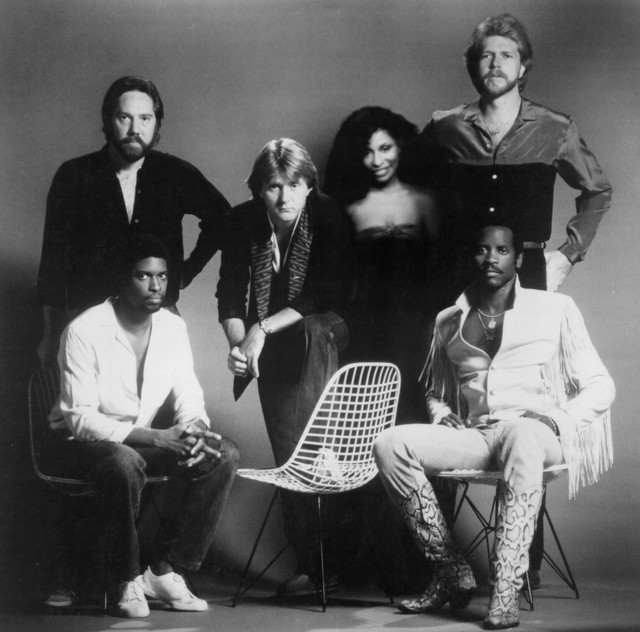
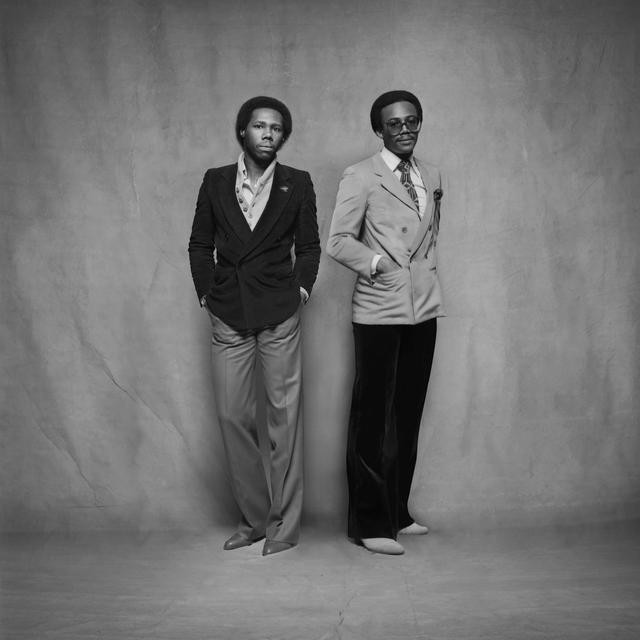
There is no doubt that Chic are the greatest and most enduring disco band, from their smash 1977 debut through their 2020s touring incarnation billed as <a href="spotify:artist:3yDIp0kaq9EFKe07X1X2rz">Nile Rodgers & Chic</a>. When Chic first appeared, disco was already heading toward mainstream saturation and an inevitable downfall. The band bucked the trend by stripping disco's sound down to its basic elements. Specializing in stylish grooves with a uniquely organic sense of interplay, the Chic sound was anchored by the scratchy "chucking"-style rhythm guitar of <a href="spotify:artist:3yDIp0kaq9EFKe07X1X2rz">Nile Rodgers</a>, the indelible, widely imitated, and sometimes outright stolen basslines of <a href="spotify:artist:0H50J2JBGvMud4sNbRaWjI">Bernard Edwards</a>, and the powerhouse drumming of Tony Thompson. As producers themselves, <a href="spotify:artist:3yDIp0kaq9EFKe07X1X2rz">Rodgers</a> and <a href="spotify:artist:0H50J2JBGvMud4sNbRaWjI">Edwards</a> used keyboard and string embellishments economically, which kept the emphasis on rhythm. Chic's distinctive approach not only resulted in some of the era's finest singles, including the number one hits "Le Freak" and "Good Times" -- only two of several classics off the platinum albums C'est Chic (1978) and Risqué (1979) -- but also helped create a template for funk, dance-pop, and hip-hop in the post-disco era. Not coincidentally, <a href="spotify:artist:3yDIp0kaq9EFKe07X1X2rz">Rodgers</a> and <a href="spotify:artist:0H50J2JBGvMud4sNbRaWjI">Edwards</a> wound up as two of the most successful pop producers, and the sound they developed and perfected remained relevant for decades, acknowledged most notably with the duo's induction into the Songwriters Hall of Fame. <a href="spotify:artist:3yDIp0kaq9EFKe07X1X2rz">Rodgers</a>, the lone surviving co-founder of Chic, took the act back to the studio for It's About Time (2018) and continues to tour extensively.
<a href="spotify:artist:3yDIp0kaq9EFKe07X1X2rz">Nile Rodgers</a> and <a href="spotify:artist:0H50J2JBGvMud4sNbRaWjI">Bernard Edwards</a> met in 1970, when both were jazz-trained musicians fresh out of high school. <a href="spotify:artist:0H50J2JBGvMud4sNbRaWjI">Edwards</a> had attended New York's High School for the Performing Arts and was working in a Bronx post office at the time, while <a href="spotify:artist:3yDIp0kaq9EFKe07X1X2rz">Rodgers</a>' early career also included stints in the folk group New World Rising and the Apollo Theater house orchestra. Around 1972, <a href="spotify:artist:3yDIp0kaq9EFKe07X1X2rz">Rodgers</a> and <a href="spotify:artist:0H50J2JBGvMud4sNbRaWjI">Edwards</a> formed a jazz-rock fusion group called the Big Apple Band. This outfit moonlighted as a backup band, touring behind smooth soul vocal group <a href="spotify:artist:349LPiGLpKGaxeqIuLZTQp">New York City</a> in the wake of their 1973 hit "I'm Doin' Fine Now." After <a href="spotify:artist:349LPiGLpKGaxeqIuLZTQp">New York City</a> broke up, the Big Apple Band hit the road with <a href="spotify:artist:7xcXR8rEj6eRPVMFjUNtBe">Carol Douglas</a> for a few months, and <a href="spotify:artist:3yDIp0kaq9EFKe07X1X2rz">Rodgers</a> and <a href="spotify:artist:0H50J2JBGvMud4sNbRaWjI">Edwards</a> decided to make a go of it on their own toward the end of 1976. At first they switched their aspirations from fusion to new wave, briefly performing as Allah & the Knife Wielding Punks, but quickly settled into dance music. They enlisted onetime <a href="spotify:artist:3DznKagEU8yMQZR9z33Da5">LaBelle</a> drummer Tony Thompson and vocalists <a href="spotify:artist:2Tq4xKjGkoZyAzdklz74oM">Norma Jean Wright</a> and Alfa Anderson, and changed their name to Chic in summer 1977 so as to avoid confusion with Walter Murphy & the Big Apple Band (who'd just hit big with "A Fifth of Beethoven").
Augmented in the studio by keyboardists Raymond Jones and Rob Sabino, Chic recorded the demo single "Dance, Dance, Dance (Yowsah, Yowsah, Yowsah)" and shopped it around to several major record companies, all of which declined it. The small <a href="spotify:search:label%3A%22Buddah%22">Buddah</a> label finally released it as a 12" in late 1977, and as its club popularity exploded, <a href="spotify:search:label%3A%22Atlantic%22">Atlantic</a> stepped in, signed the group, and re-released the single on a wider basis. "Dance, Dance, Dance" hit the Top Ten, peaking at number six, and made Chic one of the hottest new groups in disco. The band scrambled to put their self-titled first album together, and it spawned a minor follow-up hit, "Everybody Dance," in early 1978. At this point, <a href="spotify:artist:2Tq4xKjGkoZyAzdklz74oM">Wright</a> left to try her hand at a solo career (with assistance from <a href="spotify:artist:3yDIp0kaq9EFKe07X1X2rz">Rodgers</a> and <a href="spotify:artist:0H50J2JBGvMud4sNbRaWjI">Edwards</a>), and was replaced by Luci Martin. It was a good time to come onboard; "Le Freak," the first single from sophomore album C'est Chic, was an out-of-the-box smash, spending five weeks on top of the charts toward the end of 1978 and selling over four-million copies (which made it the biggest-selling single in <a href="spotify:search:label%3A%22Atlantic%22">Atlantic</a>'s history). Follow-up "I Want Your Love" reached number seven, cementing the group's new star status, and C'est Chic became one of the rare disco albums to go platinum.
1979's Risqué was another solidly constructed LP that also went platinum, partly on the strength of Chic's second number one pop hit, "Good Times." "Good Times" may not have equaled the blockbuster sales figures of "Le Freak," but it was the band's most imitated track: <a href="spotify:artist:1dfeR4HaWDbWqFHLkxsg1d">Queen</a>'s number one hit "Another One Bites the Dust" was a clear rewrite, and <a href="spotify:artist:7zliF6Q946WznVk3ZMYhZX">the Sugarhill Gang</a> lifted the instrumental backing track wholesale for the first commercial rap single, "Rapper's Delight," marking the first of many times that Chic grooves would be recycled into hip-hop records. Also in 1979, <a href="spotify:artist:3yDIp0kaq9EFKe07X1X2rz">Rodgers</a> and <a href="spotify:artist:0H50J2JBGvMud4sNbRaWjI">Edwards</a> took on their first major outside production assignment, producing and writing the <a href="spotify:artist:6gkWznnJkdkwRPVcmnrays">Sister Sledge</a> smashes "We Are Family" and the oft-sampled "He's the Greatest Dancer." This success, in turn, landed them the chance to work with <a href="spotify:artist:3MdG05syQeRYPPcClLaUGl">Diana Ross</a> on 1980's Diana album, and they wrote and produced "Upside Down," her first number one hit in years, as well as "I'm Coming Out."
The disco fad was fading rapidly by that point, however, and 1980's Real People failed to go gold despite another solid performance by the band. Changing tastes put an end to Chic's heyday, as <a href="spotify:artist:3yDIp0kaq9EFKe07X1X2rz">Rodgers</a> and <a href="spotify:artist:0H50J2JBGvMud4sNbRaWjI">Edwards</a>' outside production work soon grew far more lucrative, even despite aborted projects with <a href="spotify:artist:7nwUJBm0HE4ZxD3f5cy5ok">Aretha Franklin</a> and <a href="spotify:artist:21LGsW7bziR4Ledx7WZ1Wf">Johnny Mathis</a>. Several more Chic LPs followed in the early '80s, with diminishing creative and commercial returns, and <a href="spotify:artist:3yDIp0kaq9EFKe07X1X2rz">Rodgers</a> and <a href="spotify:artist:0H50J2JBGvMud4sNbRaWjI">Edwards</a> disbanded the group after completing Believer in 1983. Later that year, both recorded solo LPs. Hungry for respect in the rock mainstream (especially after accusations that they had ripped off <a href="spotify:artist:1dfeR4HaWDbWqFHLkxsg1d">Queen</a> instead of the other way around), both <a href="spotify:artist:3yDIp0kaq9EFKe07X1X2rz">Rodgers</a> and <a href="spotify:artist:0H50J2JBGvMud4sNbRaWjI">Edwards</a> sought out high-profile production and session work over the rest of the decade. <a href="spotify:artist:3yDIp0kaq9EFKe07X1X2rz">Rodgers</a> produced blockbuster albums like <a href="spotify:artist:0oSGxfWSnnOXhD2fKuz2Gy">David Bowie</a>'s Let's Dance, <a href="spotify:artist:6tbjWDEIzxoDsBA1FuhfPW">Madonna</a>'s Like a Virgin, and <a href="spotify:artist:3d2pb1dHTm8b61zAGVUVvO">Mick Jagger</a>'s She's the Boss. <a href="spotify:artist:0H50J2JBGvMud4sNbRaWjI">Edwards</a> wasn't as prolific as a producer, but did join the one-off supergroup <a href="spotify:artist:1EemADz12kjlGwkpY4EINv">the Power Station</a> along with Tony Thompson as well as <a href="spotify:artist:530Sdm7eqqzWBdDmILMgnu">Robert Palmer</a> and members of avowed Chic fans <a href="spotify:artist:0lZoBs4Pzo7R89JM9lxwoT">Duran Duran</a>; he later produced <a href="spotify:artist:530Sdm7eqqzWBdDmILMgnu">Palmer</a>'s commercial breakthrough, Riptide. <a href="spotify:artist:0H50J2JBGvMud4sNbRaWjI">Edwards</a> also worked with <a href="spotify:artist:2y8Jo9CKhJvtfeKOsYzRdT">Rod Stewart</a> (Out of Order), <a href="spotify:artist:71aKjsWKYqASAffyIQaocZ">Jody Watley</a>, and <a href="spotify:artist:1zuJe6b1roixEKMOtyrEak">Tina Turner</a>, while <a href="spotify:artist:3yDIp0kaq9EFKe07X1X2rz">Rodgers</a>' other credits include <a href="spotify:artist:5jVeqi3PNaTOajfvBa4uFn">the Thompson Twins</a>, <a href="spotify:artist:2mwN5WQ1mAhOibFEbfFfsG">the Vaughan Brothers</a>, <a href="spotify:artist:1eClJfHLoDI4rZe5HxzBFv">INXS</a>, and <a href="spotify:artist:3gdbcIdNypBsYNu3iiCjtN">the B-52's</a>' comeback Cosmic Thing.
<a href="spotify:artist:3yDIp0kaq9EFKe07X1X2rz">Rodgers</a> and <a href="spotify:artist:0H50J2JBGvMud4sNbRaWjI">Edwards</a> re-formed Chic in 1992 with new vocalists <a href="spotify:artist:2NB3QnFOY8B1bZTS702BwM">Sylver Logan Sharp</a> and Jenn Thomas, and an assortment of session drummers in Thompson's place; they toured and released a new album, Chic-ism. In 1996, the reconstituted Chic embarked on a tour of Japan; sadly, on April 18, <a href="spotify:artist:0H50J2JBGvMud4sNbRaWjI">Edwards</a> passed away in his Tokyo hotel room due to a severe bout of pneumonia. <a href="spotify:artist:3yDIp0kaq9EFKe07X1X2rz">Rodgers</a> continued to tour occasionally with a version of Chic. In 1999, his <a href="spotify:search:label%3A%22Sumthing+Else%22">Sumthing Else</a> label issued a recording of <a href="spotify:artist:0H50J2JBGvMud4sNbRaWjI">Edwards</a>' final performance with the band, Live at the Budokan. More importantly, <a href="spotify:artist:3yDIp0kaq9EFKe07X1X2rz">Rodgers</a> compiled The Chic Organization Box Set, Vol. 1: Savoir Faire, a four-disc anthology released in 2010. <a href="spotify:artist:3yDIp0kaq9EFKe07X1X2rz">Rodgers</a>' career was boosted once more by a string of collaborations with <a href="spotify:artist:0lZoBs4Pzo7R89JM9lxwoT">Duran Duran</a> and <a href="spotify:artist:4tZwfgrHOc3mvqYlEYSvVi">Daft Punk</a>, among others. He published a memoir, beat cancer, and kept the Chic name alive, primarily as a touring group. In 2018, two years after <a href="spotify:artist:3yDIp0kaq9EFKe07X1X2rz">Rodgers</a> and <a href="spotify:artist:0H50J2JBGvMud4sNbRaWjI">Edwards</a> were inducted into the Songwriters Hall of Fame, <a href="spotify:artist:3yDIp0kaq9EFKe07X1X2rz">Rodgers</a> completed and released a long-in-the-works Chic album, It's About Time. Frequent additional touring, including a run of dates with <a href="spotify:artist:0lZoBs4Pzo7R89JM9lxwoT">Duran Duran</a>, continued well into the 2020s. Alfa Anderson died on December 17, 2024. ~ Steve Huey & Andy Kellman, Rovi
<a href="spotify:artist:3yDIp0kaq9EFKe07X1X2rz">Nile Rodgers</a> and <a href="spotify:artist:0H50J2JBGvMud4sNbRaWjI">Bernard Edwards</a> met in 1970, when both were jazz-trained musicians fresh out of high school. <a href="spotify:artist:0H50J2JBGvMud4sNbRaWjI">Edwards</a> had attended New York's High School for the Performing Arts and was working in a Bronx post office at the time, while <a href="spotify:artist:3yDIp0kaq9EFKe07X1X2rz">Rodgers</a>' early career also included stints in the folk group New World Rising and the Apollo Theater house orchestra. Around 1972, <a href="spotify:artist:3yDIp0kaq9EFKe07X1X2rz">Rodgers</a> and <a href="spotify:artist:0H50J2JBGvMud4sNbRaWjI">Edwards</a> formed a jazz-rock fusion group called the Big Apple Band. This outfit moonlighted as a backup band, touring behind smooth soul vocal group <a href="spotify:artist:349LPiGLpKGaxeqIuLZTQp">New York City</a> in the wake of their 1973 hit "I'm Doin' Fine Now." After <a href="spotify:artist:349LPiGLpKGaxeqIuLZTQp">New York City</a> broke up, the Big Apple Band hit the road with <a href="spotify:artist:7xcXR8rEj6eRPVMFjUNtBe">Carol Douglas</a> for a few months, and <a href="spotify:artist:3yDIp0kaq9EFKe07X1X2rz">Rodgers</a> and <a href="spotify:artist:0H50J2JBGvMud4sNbRaWjI">Edwards</a> decided to make a go of it on their own toward the end of 1976. At first they switched their aspirations from fusion to new wave, briefly performing as Allah & the Knife Wielding Punks, but quickly settled into dance music. They enlisted onetime <a href="spotify:artist:3DznKagEU8yMQZR9z33Da5">LaBelle</a> drummer Tony Thompson and vocalists <a href="spotify:artist:2Tq4xKjGkoZyAzdklz74oM">Norma Jean Wright</a> and Alfa Anderson, and changed their name to Chic in summer 1977 so as to avoid confusion with Walter Murphy & the Big Apple Band (who'd just hit big with "A Fifth of Beethoven").
Augmented in the studio by keyboardists Raymond Jones and Rob Sabino, Chic recorded the demo single "Dance, Dance, Dance (Yowsah, Yowsah, Yowsah)" and shopped it around to several major record companies, all of which declined it. The small <a href="spotify:search:label%3A%22Buddah%22">Buddah</a> label finally released it as a 12" in late 1977, and as its club popularity exploded, <a href="spotify:search:label%3A%22Atlantic%22">Atlantic</a> stepped in, signed the group, and re-released the single on a wider basis. "Dance, Dance, Dance" hit the Top Ten, peaking at number six, and made Chic one of the hottest new groups in disco. The band scrambled to put their self-titled first album together, and it spawned a minor follow-up hit, "Everybody Dance," in early 1978. At this point, <a href="spotify:artist:2Tq4xKjGkoZyAzdklz74oM">Wright</a> left to try her hand at a solo career (with assistance from <a href="spotify:artist:3yDIp0kaq9EFKe07X1X2rz">Rodgers</a> and <a href="spotify:artist:0H50J2JBGvMud4sNbRaWjI">Edwards</a>), and was replaced by Luci Martin. It was a good time to come onboard; "Le Freak," the first single from sophomore album C'est Chic, was an out-of-the-box smash, spending five weeks on top of the charts toward the end of 1978 and selling over four-million copies (which made it the biggest-selling single in <a href="spotify:search:label%3A%22Atlantic%22">Atlantic</a>'s history). Follow-up "I Want Your Love" reached number seven, cementing the group's new star status, and C'est Chic became one of the rare disco albums to go platinum.
1979's Risqué was another solidly constructed LP that also went platinum, partly on the strength of Chic's second number one pop hit, "Good Times." "Good Times" may not have equaled the blockbuster sales figures of "Le Freak," but it was the band's most imitated track: <a href="spotify:artist:1dfeR4HaWDbWqFHLkxsg1d">Queen</a>'s number one hit "Another One Bites the Dust" was a clear rewrite, and <a href="spotify:artist:7zliF6Q946WznVk3ZMYhZX">the Sugarhill Gang</a> lifted the instrumental backing track wholesale for the first commercial rap single, "Rapper's Delight," marking the first of many times that Chic grooves would be recycled into hip-hop records. Also in 1979, <a href="spotify:artist:3yDIp0kaq9EFKe07X1X2rz">Rodgers</a> and <a href="spotify:artist:0H50J2JBGvMud4sNbRaWjI">Edwards</a> took on their first major outside production assignment, producing and writing the <a href="spotify:artist:6gkWznnJkdkwRPVcmnrays">Sister Sledge</a> smashes "We Are Family" and the oft-sampled "He's the Greatest Dancer." This success, in turn, landed them the chance to work with <a href="spotify:artist:3MdG05syQeRYPPcClLaUGl">Diana Ross</a> on 1980's Diana album, and they wrote and produced "Upside Down," her first number one hit in years, as well as "I'm Coming Out."
The disco fad was fading rapidly by that point, however, and 1980's Real People failed to go gold despite another solid performance by the band. Changing tastes put an end to Chic's heyday, as <a href="spotify:artist:3yDIp0kaq9EFKe07X1X2rz">Rodgers</a> and <a href="spotify:artist:0H50J2JBGvMud4sNbRaWjI">Edwards</a>' outside production work soon grew far more lucrative, even despite aborted projects with <a href="spotify:artist:7nwUJBm0HE4ZxD3f5cy5ok">Aretha Franklin</a> and <a href="spotify:artist:21LGsW7bziR4Ledx7WZ1Wf">Johnny Mathis</a>. Several more Chic LPs followed in the early '80s, with diminishing creative and commercial returns, and <a href="spotify:artist:3yDIp0kaq9EFKe07X1X2rz">Rodgers</a> and <a href="spotify:artist:0H50J2JBGvMud4sNbRaWjI">Edwards</a> disbanded the group after completing Believer in 1983. Later that year, both recorded solo LPs. Hungry for respect in the rock mainstream (especially after accusations that they had ripped off <a href="spotify:artist:1dfeR4HaWDbWqFHLkxsg1d">Queen</a> instead of the other way around), both <a href="spotify:artist:3yDIp0kaq9EFKe07X1X2rz">Rodgers</a> and <a href="spotify:artist:0H50J2JBGvMud4sNbRaWjI">Edwards</a> sought out high-profile production and session work over the rest of the decade. <a href="spotify:artist:3yDIp0kaq9EFKe07X1X2rz">Rodgers</a> produced blockbuster albums like <a href="spotify:artist:0oSGxfWSnnOXhD2fKuz2Gy">David Bowie</a>'s Let's Dance, <a href="spotify:artist:6tbjWDEIzxoDsBA1FuhfPW">Madonna</a>'s Like a Virgin, and <a href="spotify:artist:3d2pb1dHTm8b61zAGVUVvO">Mick Jagger</a>'s She's the Boss. <a href="spotify:artist:0H50J2JBGvMud4sNbRaWjI">Edwards</a> wasn't as prolific as a producer, but did join the one-off supergroup <a href="spotify:artist:1EemADz12kjlGwkpY4EINv">the Power Station</a> along with Tony Thompson as well as <a href="spotify:artist:530Sdm7eqqzWBdDmILMgnu">Robert Palmer</a> and members of avowed Chic fans <a href="spotify:artist:0lZoBs4Pzo7R89JM9lxwoT">Duran Duran</a>; he later produced <a href="spotify:artist:530Sdm7eqqzWBdDmILMgnu">Palmer</a>'s commercial breakthrough, Riptide. <a href="spotify:artist:0H50J2JBGvMud4sNbRaWjI">Edwards</a> also worked with <a href="spotify:artist:2y8Jo9CKhJvtfeKOsYzRdT">Rod Stewart</a> (Out of Order), <a href="spotify:artist:71aKjsWKYqASAffyIQaocZ">Jody Watley</a>, and <a href="spotify:artist:1zuJe6b1roixEKMOtyrEak">Tina Turner</a>, while <a href="spotify:artist:3yDIp0kaq9EFKe07X1X2rz">Rodgers</a>' other credits include <a href="spotify:artist:5jVeqi3PNaTOajfvBa4uFn">the Thompson Twins</a>, <a href="spotify:artist:2mwN5WQ1mAhOibFEbfFfsG">the Vaughan Brothers</a>, <a href="spotify:artist:1eClJfHLoDI4rZe5HxzBFv">INXS</a>, and <a href="spotify:artist:3gdbcIdNypBsYNu3iiCjtN">the B-52's</a>' comeback Cosmic Thing.
<a href="spotify:artist:3yDIp0kaq9EFKe07X1X2rz">Rodgers</a> and <a href="spotify:artist:0H50J2JBGvMud4sNbRaWjI">Edwards</a> re-formed Chic in 1992 with new vocalists <a href="spotify:artist:2NB3QnFOY8B1bZTS702BwM">Sylver Logan Sharp</a> and Jenn Thomas, and an assortment of session drummers in Thompson's place; they toured and released a new album, Chic-ism. In 1996, the reconstituted Chic embarked on a tour of Japan; sadly, on April 18, <a href="spotify:artist:0H50J2JBGvMud4sNbRaWjI">Edwards</a> passed away in his Tokyo hotel room due to a severe bout of pneumonia. <a href="spotify:artist:3yDIp0kaq9EFKe07X1X2rz">Rodgers</a> continued to tour occasionally with a version of Chic. In 1999, his <a href="spotify:search:label%3A%22Sumthing+Else%22">Sumthing Else</a> label issued a recording of <a href="spotify:artist:0H50J2JBGvMud4sNbRaWjI">Edwards</a>' final performance with the band, Live at the Budokan. More importantly, <a href="spotify:artist:3yDIp0kaq9EFKe07X1X2rz">Rodgers</a> compiled The Chic Organization Box Set, Vol. 1: Savoir Faire, a four-disc anthology released in 2010. <a href="spotify:artist:3yDIp0kaq9EFKe07X1X2rz">Rodgers</a>' career was boosted once more by a string of collaborations with <a href="spotify:artist:0lZoBs4Pzo7R89JM9lxwoT">Duran Duran</a> and <a href="spotify:artist:4tZwfgrHOc3mvqYlEYSvVi">Daft Punk</a>, among others. He published a memoir, beat cancer, and kept the Chic name alive, primarily as a touring group. In 2018, two years after <a href="spotify:artist:3yDIp0kaq9EFKe07X1X2rz">Rodgers</a> and <a href="spotify:artist:0H50J2JBGvMud4sNbRaWjI">Edwards</a> were inducted into the Songwriters Hall of Fame, <a href="spotify:artist:3yDIp0kaq9EFKe07X1X2rz">Rodgers</a> completed and released a long-in-the-works Chic album, It's About Time. Frequent additional touring, including a run of dates with <a href="spotify:artist:0lZoBs4Pzo7R89JM9lxwoT">Duran Duran</a>, continued well into the 2020s. Alfa Anderson died on December 17, 2024. ~ Steve Huey & Andy Kellman, Rovi
Monthly Listeners
5.1 million
Monthly Listeners History
Track the evolution of monthly listeners over the last 28 days.
Followers
832,373
Followers History
Track the evolution of followers over the last 28 days.
Top Cities
134,877 listeners

100,688 listeners

70,024 listeners

60,819 listeners
59,858 listeners

Related Artists