Genre
new wave pop
Top New wave pop Artists
Showing 25 of 124 artists







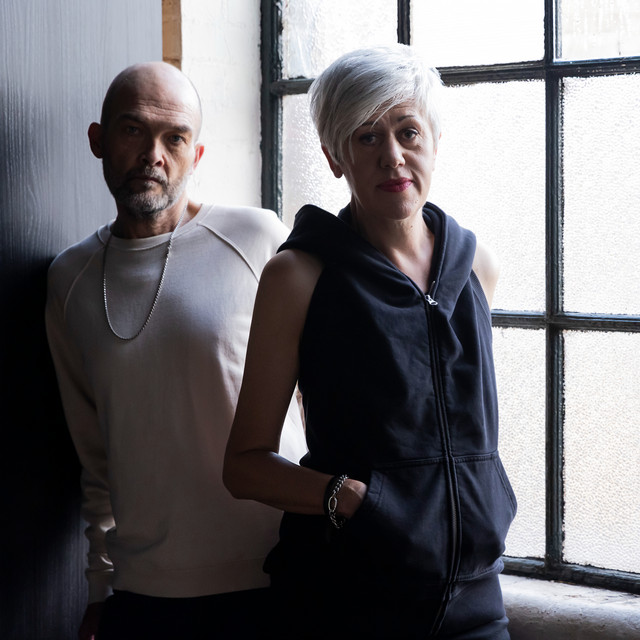
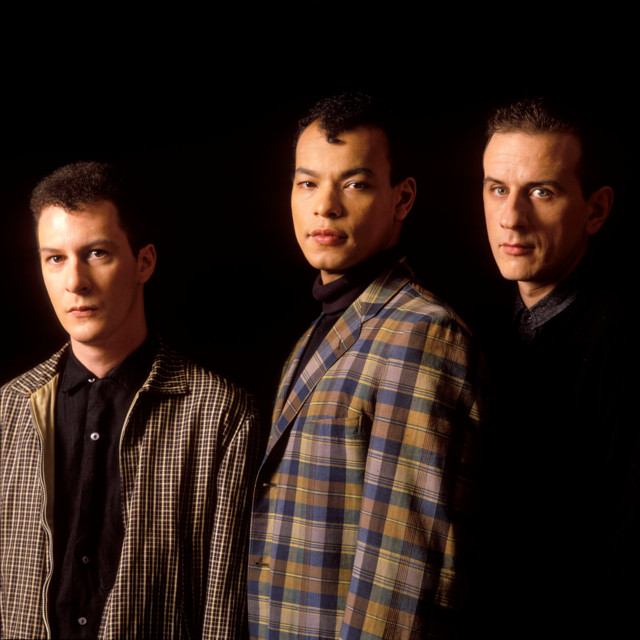
About New wave pop
New wave pop is a glossy, hook-driven branch of the broader new wave movement that emerged in the late 1970s and flourished through the 1980s. It distinctively fused the energy and edge of punk with melodic accessibility, polished production, and an eye for fashion and visual flair. While “new wave” captured a wide range of sounds, new wave pop specifically leaned toward catchy choruses, danceable rhythms, and bright, radio-friendly textures, making it a soundtrack for MTV’s rise and the era’s club culture.
Origins and evolution
The term grew out of the punk explosion, as artists and critics sought a label for those post-punk acts who prioritized melody and surface-level glamour without abandoning experimental edge. Born mostly in the United Kingdom and the United States, the scene quickly crossed the Atlantic and beyond. By the early 1980s, bands armed with synthesizers, jangly guitars, punchy basslines, and electronic percussion defined a polished but adventurous sound. The era was as much about image—distinctive fashion, bold videos, and artful stage presence—as about musical craft, a combination that helped expand the audience beyond club circles to television audiences and pop radio.
Sound and technology
New wave pop sits at the intersection of guitar-based rock and electronic music. Its sonic toolkit often includes bright, chorus-laden guitars, bubbly synth lines, and drum machines or gated-reverb drums. pioneers made inventive use of technology: synthesizers (from early analog rigs to later digital samplers), drum machines, and sequencers helped create the era’s clean, danceable textures. Production tended toward clarity and polish, but many tracks retained a spark of punk urgency and angular, memorable melodies. The genre’s aesthetic was equally ecological—the fashion, hair, and video visuals became essential to the music’s identity, amplifying the music’s playful, adventurous vibe.
Ambassadors and representative voices
New wave pop is rich in emblematic acts that helped define its arc. Blondie and Talking Heads bridged American art-rock sensibilities with pop accessibility; The Police fused pop hooks with reggae-inflected rhythms and punk bite; Duran Duran and Spandau Ballet epitomized the glossy, MTV-era executive-produced sophistication; Depeche Mode and the Human League popularized synth-driven aesthetics; Pet Shop Boys crystallized witty, lush electronic pop. A-ha, Eurythmics, and other European acts extended the reach of the sound, while bands like New Order and others carried post-punk energy into dance floors. Together, these artists served as the genre’s ambassadors, showing its breadth from jangly, guitar-forward tracks to dense, synth-centered pop.
Geography and influence
New wave pop enjoyed its strongest footholds in the United Kingdom and the United States, with significant scenes across Western Europe, Australia, and parts of Asia, aided by global media and the rise of music videos. Its impact extended far beyond its peak years, resonating in later synth-pop, indie pop, and electronic-influenced alt-rock. The genre’s emphasis on melody, groove, and visual presentation left a durable imprint on how pop music could feel both stylish and accessible.
Legacy
Today, new wave pop remains a touchstone for listeners who appreciate craft, atmosphere, and the sweet spot where pop songwriting meets electric experimentation. Its songs still feel bright and immediate, its production still crisp, and its sense of style continues to echo in contemporary electro-pop and retro-inspired acts.
Origins and evolution
The term grew out of the punk explosion, as artists and critics sought a label for those post-punk acts who prioritized melody and surface-level glamour without abandoning experimental edge. Born mostly in the United Kingdom and the United States, the scene quickly crossed the Atlantic and beyond. By the early 1980s, bands armed with synthesizers, jangly guitars, punchy basslines, and electronic percussion defined a polished but adventurous sound. The era was as much about image—distinctive fashion, bold videos, and artful stage presence—as about musical craft, a combination that helped expand the audience beyond club circles to television audiences and pop radio.
Sound and technology
New wave pop sits at the intersection of guitar-based rock and electronic music. Its sonic toolkit often includes bright, chorus-laden guitars, bubbly synth lines, and drum machines or gated-reverb drums. pioneers made inventive use of technology: synthesizers (from early analog rigs to later digital samplers), drum machines, and sequencers helped create the era’s clean, danceable textures. Production tended toward clarity and polish, but many tracks retained a spark of punk urgency and angular, memorable melodies. The genre’s aesthetic was equally ecological—the fashion, hair, and video visuals became essential to the music’s identity, amplifying the music’s playful, adventurous vibe.
Ambassadors and representative voices
New wave pop is rich in emblematic acts that helped define its arc. Blondie and Talking Heads bridged American art-rock sensibilities with pop accessibility; The Police fused pop hooks with reggae-inflected rhythms and punk bite; Duran Duran and Spandau Ballet epitomized the glossy, MTV-era executive-produced sophistication; Depeche Mode and the Human League popularized synth-driven aesthetics; Pet Shop Boys crystallized witty, lush electronic pop. A-ha, Eurythmics, and other European acts extended the reach of the sound, while bands like New Order and others carried post-punk energy into dance floors. Together, these artists served as the genre’s ambassadors, showing its breadth from jangly, guitar-forward tracks to dense, synth-centered pop.
Geography and influence
New wave pop enjoyed its strongest footholds in the United Kingdom and the United States, with significant scenes across Western Europe, Australia, and parts of Asia, aided by global media and the rise of music videos. Its impact extended far beyond its peak years, resonating in later synth-pop, indie pop, and electronic-influenced alt-rock. The genre’s emphasis on melody, groove, and visual presentation left a durable imprint on how pop music could feel both stylish and accessible.
Legacy
Today, new wave pop remains a touchstone for listeners who appreciate craft, atmosphere, and the sweet spot where pop songwriting meets electric experimentation. Its songs still feel bright and immediate, its production still crisp, and its sense of style continues to echo in contemporary electro-pop and retro-inspired acts.