Genre
greek hip hop
Top Greek hip hop Artists
Showing 25 of 107 artists
























About Greek hip hop
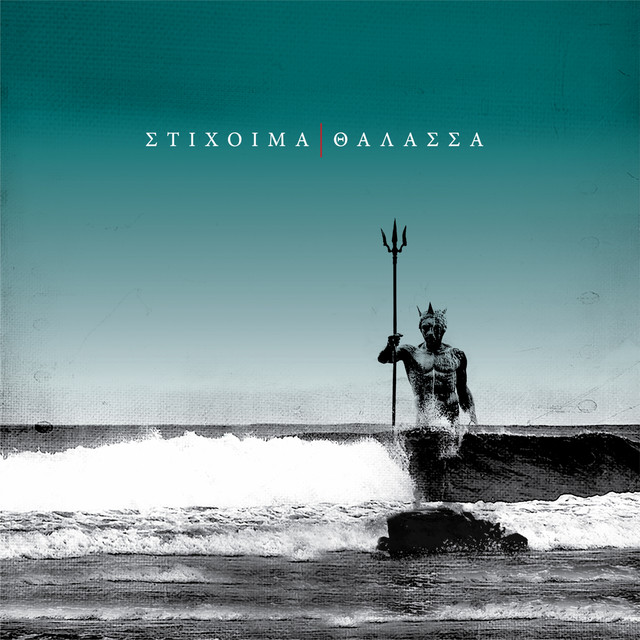
Greek hip hop is the Greek answer to the global rap conversation: a dialogue between urban energy, foreign influences, and a distinctly Hellenic sensibility. Born from the late 1990s wave of creativity in Greece, it fused the raw cadence of American street poetry with the textures of local sounds, languages, and social realities. What emerged is a scene that sounds at once familiar to any fan of boom-bap and defiantly local, weaving Greek slang, dialects, and references into every verse.
The birth of Greek hip hop was shaped by a rapid influx of American records and the growing club and battle culture in Athens, Thessaloniki, and smaller cities. Early crews operated mostly underground, recording in makeshift studios and releasing tapes or independent CDs that circulated through word of mouth and local venues. These artists adopted tight,DJ-led production—drums grounded in boom-bap, with jazzy chords, funk basslines, and the occasional reggae bounce—while embracing lyricism that tackled everyday life, politics, and social issues. It was less about mimicry than about translating hip hop into a Greek idiom: puns, city-specific slang, and a listener’s shared sense of place.
Musically, Greek hip hop thrives on a cross-pollination of sounds. The genre drew from jazz, funk, and soul sampling, but also invited electronic textures, trip-hop moods, and even traditional Mediterranean melodies. It’s common to hear a Greek verse riding a loop that feels both familiar to hip hop purists and refreshingly local in flavor. Over the years, the scene has diversified, spawning both hard-edged underground crews who prize technical rhyme schemes and precise flows, and more melodic, crossover acts that bridge rap with indie, alternative, or pop influences. This duality keeps the genre vibrant and accessible across subcultures.
Lyrically, the tradition emphasizes authenticity. Songs often address urban life, economic struggle, immigration, and the political climate, all filtered through a distinctly Greek gaze. The language itself—the rhythm of Greek words, the humor, and the political nuance—gives Greek hip hop its unique texture. It’s a music of neighborhoods and universities as much as clubs and festivals, a voice for people negotiating Greece’s social and economic shifts.
Geographically, the scene has been most robust in Greece, with Athens and Thessaloniki acting as primary hubs. Cyprus shares cultural ties with Greece, and the broader Greek-speaking diaspora—across Germany, Australia, Canada, and the United States—has kept the conversation alive, enabling collaborations and live circuits that widen the genre’s reach. Today, Greek hip hop sits at a crossroads: it honors its underground roots while continuing to push into mainstream consciousness, often blending with electronic and pop elements to reach new audiences without losing its edge.
Ambassadors of the genre include pioneering groups that established the sound and ethos of Greek rap, with Active Member frequently cited as a foundational act. In more recent years, a new generation has kept the flame alive, touring internationally, collaborating with European peers, and fostering a robust online presence that connects Greek fans worldwide. For enthusiasts, Greek hip hop remains a fertile field of discovery—an evolving art form that preserves its street-level honesty while expanding its global dialogue. If you’re curious, start with those early pioneers, then trace the contemporary wave to hear how Greek rap keeps speaking to today’s city life.
The birth of Greek hip hop was shaped by a rapid influx of American records and the growing club and battle culture in Athens, Thessaloniki, and smaller cities. Early crews operated mostly underground, recording in makeshift studios and releasing tapes or independent CDs that circulated through word of mouth and local venues. These artists adopted tight,DJ-led production—drums grounded in boom-bap, with jazzy chords, funk basslines, and the occasional reggae bounce—while embracing lyricism that tackled everyday life, politics, and social issues. It was less about mimicry than about translating hip hop into a Greek idiom: puns, city-specific slang, and a listener’s shared sense of place.
Musically, Greek hip hop thrives on a cross-pollination of sounds. The genre drew from jazz, funk, and soul sampling, but also invited electronic textures, trip-hop moods, and even traditional Mediterranean melodies. It’s common to hear a Greek verse riding a loop that feels both familiar to hip hop purists and refreshingly local in flavor. Over the years, the scene has diversified, spawning both hard-edged underground crews who prize technical rhyme schemes and precise flows, and more melodic, crossover acts that bridge rap with indie, alternative, or pop influences. This duality keeps the genre vibrant and accessible across subcultures.
Lyrically, the tradition emphasizes authenticity. Songs often address urban life, economic struggle, immigration, and the political climate, all filtered through a distinctly Greek gaze. The language itself—the rhythm of Greek words, the humor, and the political nuance—gives Greek hip hop its unique texture. It’s a music of neighborhoods and universities as much as clubs and festivals, a voice for people negotiating Greece’s social and economic shifts.
Geographically, the scene has been most robust in Greece, with Athens and Thessaloniki acting as primary hubs. Cyprus shares cultural ties with Greece, and the broader Greek-speaking diaspora—across Germany, Australia, Canada, and the United States—has kept the conversation alive, enabling collaborations and live circuits that widen the genre’s reach. Today, Greek hip hop sits at a crossroads: it honors its underground roots while continuing to push into mainstream consciousness, often blending with electronic and pop elements to reach new audiences without losing its edge.
Ambassadors of the genre include pioneering groups that established the sound and ethos of Greek rap, with Active Member frequently cited as a foundational act. In more recent years, a new generation has kept the flame alive, touring internationally, collaborating with European peers, and fostering a robust online presence that connects Greek fans worldwide. For enthusiasts, Greek hip hop remains a fertile field of discovery—an evolving art form that preserves its street-level honesty while expanding its global dialogue. If you’re curious, start with those early pioneers, then trace the contemporary wave to hear how Greek rap keeps speaking to today’s city life.