Genre
electrofox
Top Electrofox Artists
Showing 25 of 34 artists













About Electrofox
Electrofox is a melodic, futurist strain of electronic music that sits at the crossroads of electro, synth-pop, and indie-electro. Think sun-kissed synth lines that hug crystalline bass, vocal parts treated with just enough glow to glide without losing humanity, and percussion that snaps with the precision of a well-lacquered machine. The result is danceable yet contemplative, bright enough for festival stages and intimate enough for late-night listening sessions. It’s a texture-driven genre where melody often carries the emotional center, while sound design gives it a shimmering, almost kinetic edge.
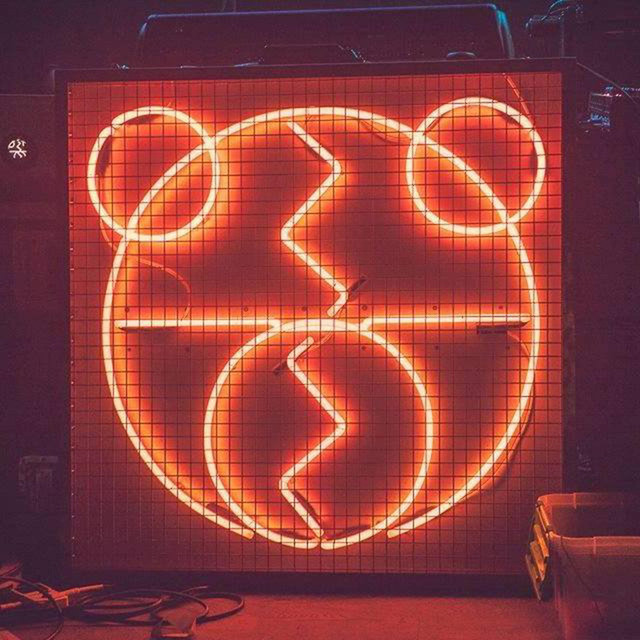
The origin story of electrofox is as much about ideas as it is about sounds. Born in the late 2010s from the cross-pollination of European club culture and Asian DIY scenes, it grew out of the same broad current that fed modern electro, vaporwave-adjacent aesthetics, and melodic techno—but with a distinct emphasis on lyrical hooks and luminous timbres. Berlin’s underground rooms, Parisian synth studios, and Tokyo’s indie circuits acted as incubators, where producers traded modular experiments for song-centric arrangements. The fox motif—a symbol of agility, nocturnal glow, and sly elegance—soon became a recognizable thread in artwork, live visuals, and artist personas, helping electrofox cultivate a coherent, image-forward identity.
Musically, electrofox thrives on contrasts. The tempo typically hovers in a danceable 110 to 128 BPM range, but the momentum often rides on counter-melodies rather than sheer kick energy. Expect bright, analog-sourced basslines, crystalline arpeggios, and lush pad beds that invite listeners to lean in rather than merely move to the beat. Vocals are frequently treated with tasteful effects—soft autotune, chorus, or light formant shifts—so phrases sing with a glossy clarity that stays human. Production emphasizes tactile textures: warm vinyl crackle, subtle field recordings from forest or city ambience, and careful stereo imaging that widens the listening experience without sacrificing intimacy. Live sets blend DJ craft with live synthesis and modular rigs, turning club nights into immersive soundscapes where visuals and light design dance in step with the music.
Electrofox has evolved into a few recognizable strands. There’s electrofox-pop, which leans toward catchy choruses and more pronounced vocal hooks; electrofox-noir, which explores moodier atmospheres, darker chord progressions, and cinematic pacing; and airy, festival-friendly electrofox that blurs into trance-like euphoria while preserving melody’s central place. Across these variants, the core is lucid melodic clarity, tactile sound design, and a forward-looking feel—music that sounds modern but emotionally warm.
Ambassadors and key artists often cited in conversations about electrofox include names like Nyx Vesper, Lumen Koi, Solari Fox, and The Fox Parade—acts known for crafting tracks that double as both club cuts and headphone anthems. They’re joined by a broader cohort of producers across Germany, France, Japan, Canada, and the United States who tour internationally and cultivate a sense of community through labels, producer collectives, and visual art collaborations.
Geographically, electrofox is most popular in markets with vibrant, experimental electronic scenes: Germany (especially Berlin), Japan (Tokyo), Canada (Montreal and Vancouver), and parts of the United States (Los Angeles and New York). It’s also found a welcome home in the UK, France, and Scandinavia, where a love for precise sound design and melodic storytelling thrives. As streaming culture deepens, electrofox listeners are increasingly discovering its subgenres through curated playlists and live showcases, helping the genre mature into a distinct, enduring voice in contemporary electronic music.
The origin story of electrofox is as much about ideas as it is about sounds. Born in the late 2010s from the cross-pollination of European club culture and Asian DIY scenes, it grew out of the same broad current that fed modern electro, vaporwave-adjacent aesthetics, and melodic techno—but with a distinct emphasis on lyrical hooks and luminous timbres. Berlin’s underground rooms, Parisian synth studios, and Tokyo’s indie circuits acted as incubators, where producers traded modular experiments for song-centric arrangements. The fox motif—a symbol of agility, nocturnal glow, and sly elegance—soon became a recognizable thread in artwork, live visuals, and artist personas, helping electrofox cultivate a coherent, image-forward identity.
Musically, electrofox thrives on contrasts. The tempo typically hovers in a danceable 110 to 128 BPM range, but the momentum often rides on counter-melodies rather than sheer kick energy. Expect bright, analog-sourced basslines, crystalline arpeggios, and lush pad beds that invite listeners to lean in rather than merely move to the beat. Vocals are frequently treated with tasteful effects—soft autotune, chorus, or light formant shifts—so phrases sing with a glossy clarity that stays human. Production emphasizes tactile textures: warm vinyl crackle, subtle field recordings from forest or city ambience, and careful stereo imaging that widens the listening experience without sacrificing intimacy. Live sets blend DJ craft with live synthesis and modular rigs, turning club nights into immersive soundscapes where visuals and light design dance in step with the music.
Electrofox has evolved into a few recognizable strands. There’s electrofox-pop, which leans toward catchy choruses and more pronounced vocal hooks; electrofox-noir, which explores moodier atmospheres, darker chord progressions, and cinematic pacing; and airy, festival-friendly electrofox that blurs into trance-like euphoria while preserving melody’s central place. Across these variants, the core is lucid melodic clarity, tactile sound design, and a forward-looking feel—music that sounds modern but emotionally warm.
Ambassadors and key artists often cited in conversations about electrofox include names like Nyx Vesper, Lumen Koi, Solari Fox, and The Fox Parade—acts known for crafting tracks that double as both club cuts and headphone anthems. They’re joined by a broader cohort of producers across Germany, France, Japan, Canada, and the United States who tour internationally and cultivate a sense of community through labels, producer collectives, and visual art collaborations.
Geographically, electrofox is most popular in markets with vibrant, experimental electronic scenes: Germany (especially Berlin), Japan (Tokyo), Canada (Montreal and Vancouver), and parts of the United States (Los Angeles and New York). It’s also found a welcome home in the UK, France, and Scandinavia, where a love for precise sound design and melodic storytelling thrives. As streaming culture deepens, electrofox listeners are increasingly discovering its subgenres through curated playlists and live showcases, helping the genre mature into a distinct, enduring voice in contemporary electronic music.