Genre
europop
Top Europop Artists
Showing 25 of 504 artists









About Europop
Europop is a broad, commercially driven strand of European pop music characterized by bright melodies, polished production, and punchy, danceable hooks. It is less a single sound than a family of styles that grew out of Euro disco and synth-pop in the late 1970s and 1980s, evolving through the 1990s and beyond into various subgenres, including Eurodance and modern mainstream pop crafted in Europe. Its appeal lies in instantly memorable choruses, clean arrangements, and a sense that the song is built for both radio and the dance floor.
The birth of Europop is usually traced to the late 1970s, when European producers and artists fused disco’s danceability with the then-new electronic textures of synthesizers. The format found a global passport through the Eurovision Song Contest, a pan-European stage that rewarded catchy, radio-friendly tunes with broad appeal. ABBA’s victory in 1974 with “Waterloo” is often cited as a watershed moment: a Swedish act demonstrating that European pop could transcend borders and languages. In the 1980s, European acts and producers refined the craft, blending lush melodies with accessible production. The result was a language of pop that could travel across countries even when lyrics shifted, a key feature of Europop’s enduring cross-border charm.
In the 1980s and 1990s, producers played a central role in shaping Europop. The British production team Stock Aitken Waterman (SAW) crafted a string of hits for artists such as Kylie Minogue, Rick Astley, Bananarama, and Jason Donovan, helping to codify a glossy, hook-driven sound that became synonymous with late-period Europop. The Swedish songwriting and production powerhouse, driven by names like Max Martin and his peers, later carried the torch into the late 1990s and 2000s, shaping global pop through acts that carried a distinctly European sensibility—tight choruses, radio-friendly tempos, and a knack for writing hits that translate across languages.
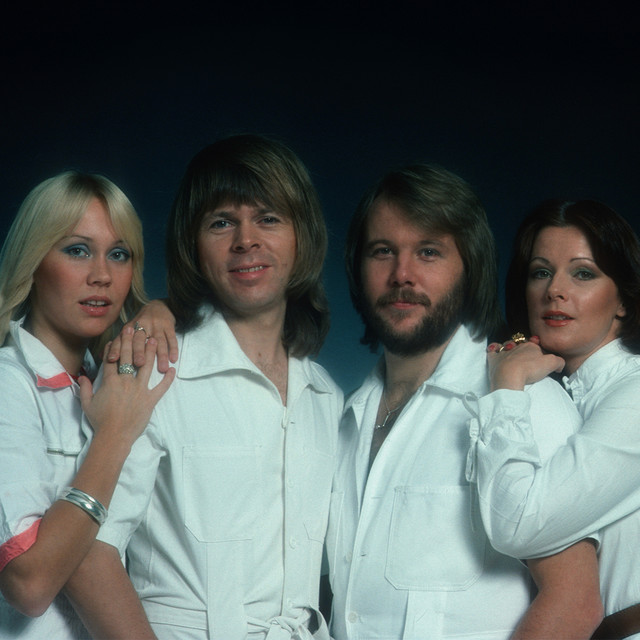
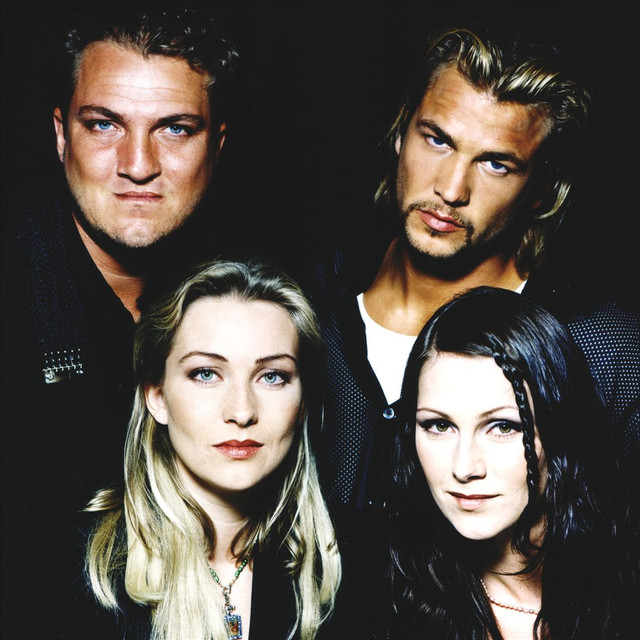
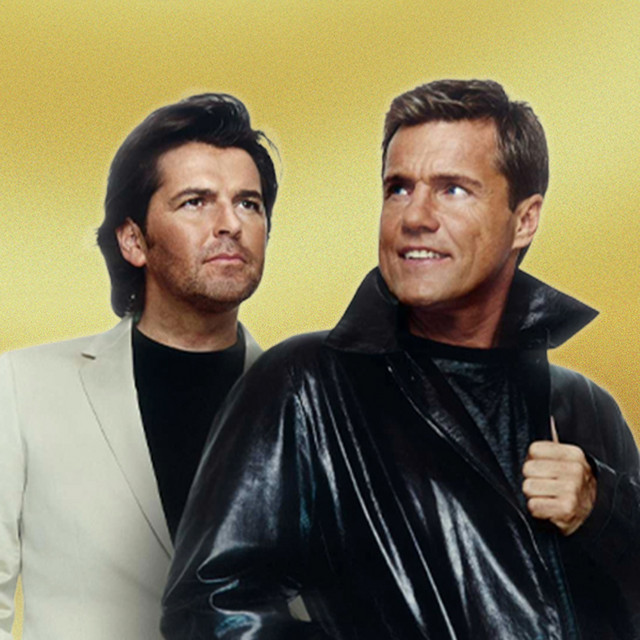
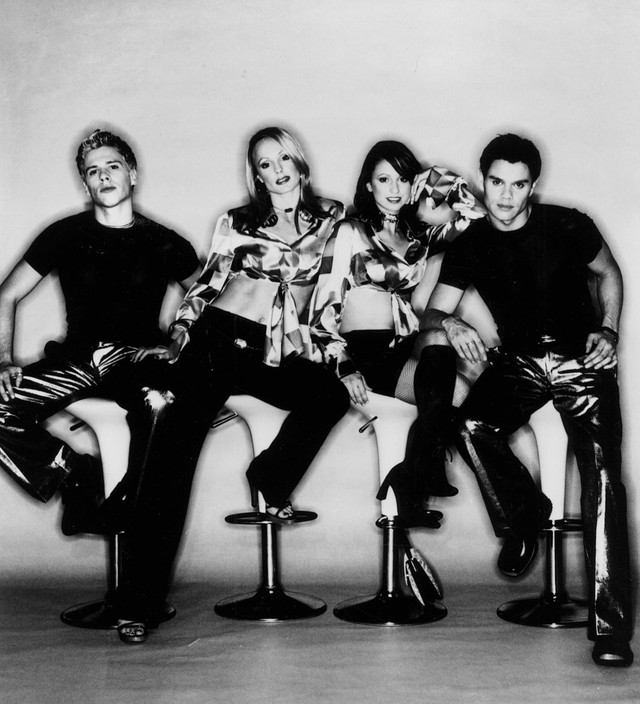
Key ambassadors of Europop include ABBA (Sweden), Roxette (Sweden), Ace of Base (Sweden), and Modern Talking (Germany), among others who achieved global reach with melodies that feel both immediate and timeless. The Netherlands, Belgium, Germany, and the United Kingdom have also been prolific hubs for Europop production, nurturing acts and songwriting teams that export a distinctly European form of pop.
Today Europop remains popular not only in its homeland markets—Sweden, the Netherlands, Germany, the United Kingdom, France, and Italy—but also as a reference point for global pop, thanks to streaming and international collaborations. Its influence is felt in the way contemporary European artists blend upbeat tempos, catchy refrains, and glossy production to create songs with universal appeal. Europop’s enduring strength is its ability to turn simple melodies into shared experiences, a danceable passport to carry listeners through a chorus they can hum for days.
The birth of Europop is usually traced to the late 1970s, when European producers and artists fused disco’s danceability with the then-new electronic textures of synthesizers. The format found a global passport through the Eurovision Song Contest, a pan-European stage that rewarded catchy, radio-friendly tunes with broad appeal. ABBA’s victory in 1974 with “Waterloo” is often cited as a watershed moment: a Swedish act demonstrating that European pop could transcend borders and languages. In the 1980s, European acts and producers refined the craft, blending lush melodies with accessible production. The result was a language of pop that could travel across countries even when lyrics shifted, a key feature of Europop’s enduring cross-border charm.
In the 1980s and 1990s, producers played a central role in shaping Europop. The British production team Stock Aitken Waterman (SAW) crafted a string of hits for artists such as Kylie Minogue, Rick Astley, Bananarama, and Jason Donovan, helping to codify a glossy, hook-driven sound that became synonymous with late-period Europop. The Swedish songwriting and production powerhouse, driven by names like Max Martin and his peers, later carried the torch into the late 1990s and 2000s, shaping global pop through acts that carried a distinctly European sensibility—tight choruses, radio-friendly tempos, and a knack for writing hits that translate across languages.
Key ambassadors of Europop include ABBA (Sweden), Roxette (Sweden), Ace of Base (Sweden), and Modern Talking (Germany), among others who achieved global reach with melodies that feel both immediate and timeless. The Netherlands, Belgium, Germany, and the United Kingdom have also been prolific hubs for Europop production, nurturing acts and songwriting teams that export a distinctly European form of pop.
Today Europop remains popular not only in its homeland markets—Sweden, the Netherlands, Germany, the United Kingdom, France, and Italy—but also as a reference point for global pop, thanks to streaming and international collaborations. Its influence is felt in the way contemporary European artists blend upbeat tempos, catchy refrains, and glossy production to create songs with universal appeal. Europop’s enduring strength is its ability to turn simple melodies into shared experiences, a danceable passport to carry listeners through a chorus they can hum for days.