Genre
french rock
Top French rock Artists
Showing 16 of 16 artists


About French rock
French rock is a broad umbrella for rock music sung in French, rooted in France and carried by a lineage of artists who fused guitar-driven energy with French lyricism. It spans garage, punk, new wave, chanson-rock, indie, and progressive strains, evolving from the 1960s to today while maintaining a distinctive melodic and lyrical sensibility. The genre is defined less by a single sound than by a shared commitment to delivering electric rock with French words, often blending social commentary, poetry, and introspection.
Origins and birth
French rock grew out of the late 1950s and early 1960s, when American rock ’n’ roll and British invasion sounds sparked a local appetite for electric guitar and hooks. The era produced pioneers who brought rock to a Francophone audience, notably Johnny Hallyday, who became France’s most famous early rock star, and Eddy Mitchell with his group Les Chaussettes Noires. These acts helped transplant the energy of rock into a distinctly French context, where language and sensibility shaped a new vernacular for rock music. By the mid- to late-1960s, artists began writing original French rock lyrics, moving beyond simple covers toward more personal and social expression.
A decades-spanning evolution
The 1970s and 1980s saw French rock diversify dramatically. The emergence of the “nouvelle scène” (new scene) brought bands and songwriters who fused rock with pop, chanson, and post-punk. Jacques Dutronc and Serge Gainsbourg bridged pop wit and rock bravado, while groups like Téléphone (formed in 1976) forged straight-ahead guitar-driven anthems that became anthems of a generation. The 1980s also yielded Indochine, whose theatrical, synth-inflected rock captured broad attention and sustained success through the 1990s. The same period produced a more experimental edge in acts such as Ange and Magma, illustrating that French rock could stretch into prog and avant-garde spheres while staying French in spirit.
Grunge, alt-rock, and the French indie wave
The 1990s and early 2000s solidified French rock’s breadth. Noir Désir became one of the era’s most powerful alt-rock voices with a stark, guitar-forward sound and pointed political lyricism; Louise Attaque combined rapid-fire storytelling with acoustic guitars and catchy melodies, redefining “French indie rock.” In the 2000s, bands such as Phoenix and, to a lesser extent, Air and other francophone acts helped bring French rock to international indie and mainstream audiences, with Phoenix achieving global chart presence and critical acclaim, and many French acts touring across Europe and North America.
Ambassadors and reach
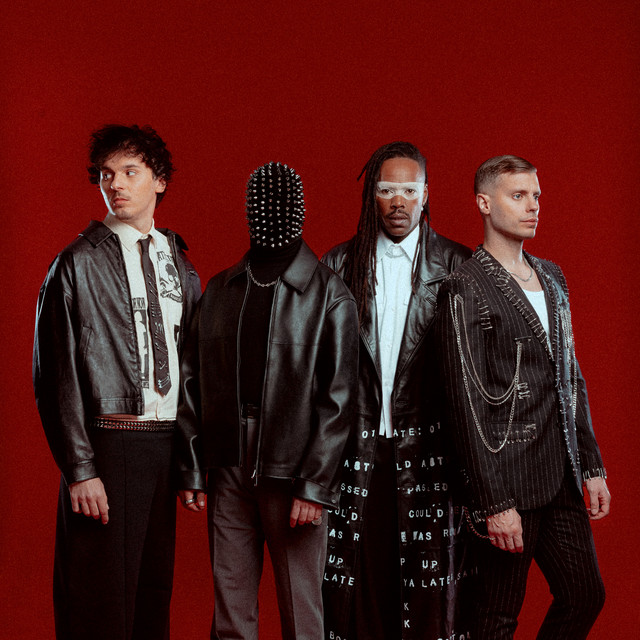
Today’s French rock is a mosaic. Historic ambassadors include Johnny Hallyday, Téléphone, Indochine, and Noir Désir; contemporary voices fuse tradition with modern production—Étienne Daho, - and indie bands like La Femme and Petit Biscuit’s collaborations pointing to rock-informed craft even in hybrid forms. French rock remains deeply regional in sound while maintaining a universal appetite for guitar-driven music and expressive, word-focused lyrics.
Where it shines
France is the heartbeat, but the language and the music travel well. Belgium and Switzerland share the francophone thread; Canada’s Québec is a major hotspot for French-language rock; Francophone Africa and various Francophone communities across Europe also keep the flame alive. The genre’s strength lies in its ability to honor the French chanson heritage while embracing the energy and rebellion of rock, producing a sound that’s both intimate and expansive, introspective and thunderous.
Origins and birth
French rock grew out of the late 1950s and early 1960s, when American rock ’n’ roll and British invasion sounds sparked a local appetite for electric guitar and hooks. The era produced pioneers who brought rock to a Francophone audience, notably Johnny Hallyday, who became France’s most famous early rock star, and Eddy Mitchell with his group Les Chaussettes Noires. These acts helped transplant the energy of rock into a distinctly French context, where language and sensibility shaped a new vernacular for rock music. By the mid- to late-1960s, artists began writing original French rock lyrics, moving beyond simple covers toward more personal and social expression.
A decades-spanning evolution
The 1970s and 1980s saw French rock diversify dramatically. The emergence of the “nouvelle scène” (new scene) brought bands and songwriters who fused rock with pop, chanson, and post-punk. Jacques Dutronc and Serge Gainsbourg bridged pop wit and rock bravado, while groups like Téléphone (formed in 1976) forged straight-ahead guitar-driven anthems that became anthems of a generation. The 1980s also yielded Indochine, whose theatrical, synth-inflected rock captured broad attention and sustained success through the 1990s. The same period produced a more experimental edge in acts such as Ange and Magma, illustrating that French rock could stretch into prog and avant-garde spheres while staying French in spirit.
Grunge, alt-rock, and the French indie wave
The 1990s and early 2000s solidified French rock’s breadth. Noir Désir became one of the era’s most powerful alt-rock voices with a stark, guitar-forward sound and pointed political lyricism; Louise Attaque combined rapid-fire storytelling with acoustic guitars and catchy melodies, redefining “French indie rock.” In the 2000s, bands such as Phoenix and, to a lesser extent, Air and other francophone acts helped bring French rock to international indie and mainstream audiences, with Phoenix achieving global chart presence and critical acclaim, and many French acts touring across Europe and North America.
Ambassadors and reach
Today’s French rock is a mosaic. Historic ambassadors include Johnny Hallyday, Téléphone, Indochine, and Noir Désir; contemporary voices fuse tradition with modern production—Étienne Daho, - and indie bands like La Femme and Petit Biscuit’s collaborations pointing to rock-informed craft even in hybrid forms. French rock remains deeply regional in sound while maintaining a universal appetite for guitar-driven music and expressive, word-focused lyrics.
Where it shines
France is the heartbeat, but the language and the music travel well. Belgium and Switzerland share the francophone thread; Canada’s Québec is a major hotspot for French-language rock; Francophone Africa and various Francophone communities across Europe also keep the flame alive. The genre’s strength lies in its ability to honor the French chanson heritage while embracing the energy and rebellion of rock, producing a sound that’s both intimate and expansive, introspective and thunderous.