Genre
glasgow indie
Top Glasgow indie Artists
Showing 25 of 53 artists

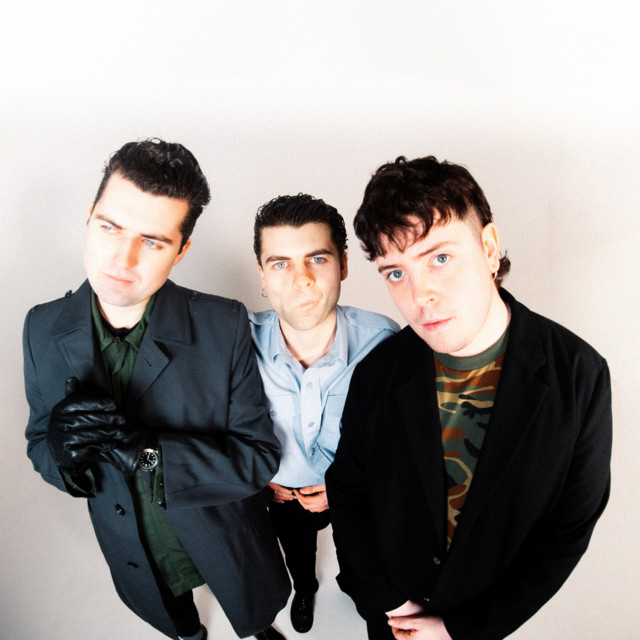
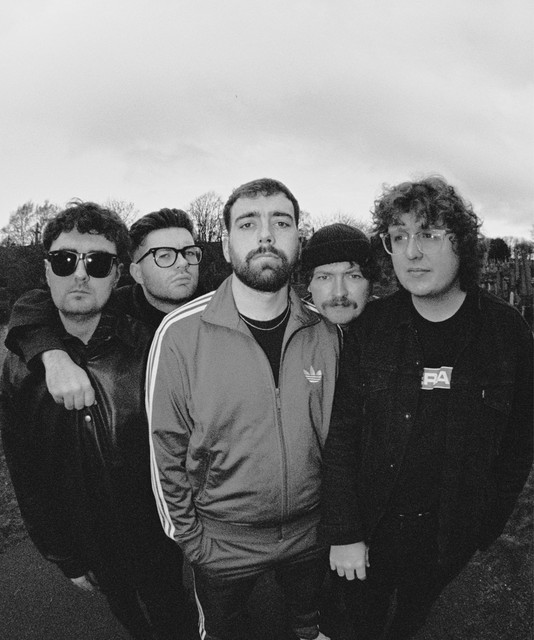
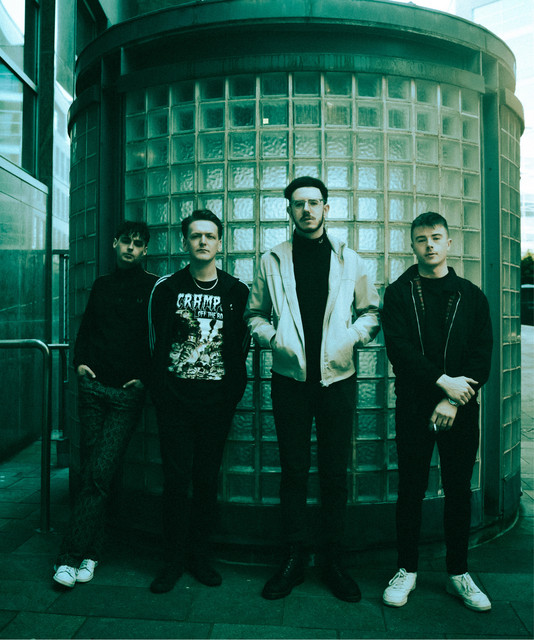
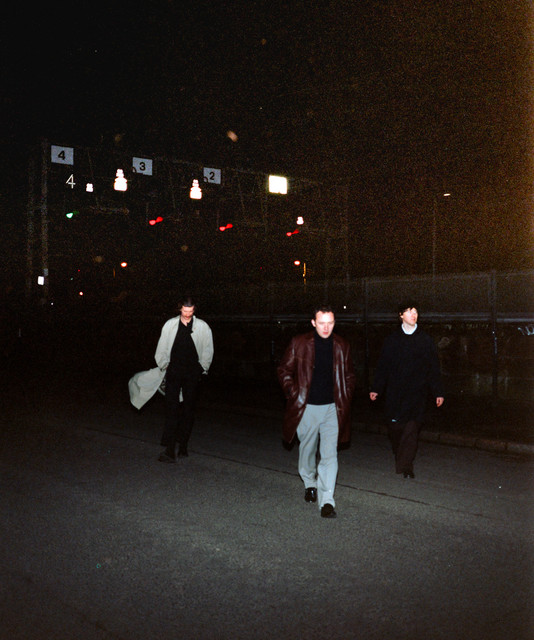


About Glasgow indie
Glasgow indie is not a single sound but a city-born mood. It’s a strand of indie rock that grew in Glasgow’s clubs, rehearsal rooms, and university halls, taking shape in the late 1990s and early 2000s. It weaves jangly guitar pop with the moodier textures of post-rock and the literate storytelling this city tends to favor. Listen for melodies wrapped in thoughtful, sometimes spare arrangements, with vocals that range from intimate confession to wry observation. The scene pulses with a DIY ethos: bands writing, booking, and touring themselves; small but devoted labels; and venues like King Tut’s Wah Wah Hut serving as launch pads where promising acts could graduate to bigger stages.
Origins and identity run through a shared Glasgow DNA. The city’s indie network in the 1990s organized around a cluster of labels and a collaborative spirit. Chemikal Underground, formed in Glasgow, released early records by Mogwai, Arab Strap, and The Delgados, anchoring the sound in a verifiable Glasgow voice. Belle and Sebastian added a melodic, literate strand that felt rooted in the same community even as it skews brighter and more pop. The result was a flexible family of bands capable of intimate guitar pop, expansive instrumental pieces, and post-punk-informed hooks, all without losing a distinct sense of place. The music traveled beyond Scotland, helping anchor the UK’s broader indie-rock revival of the era while remaining proudly local.
Ambassadors for Glasgow indie embody its range and wit. Belle and Sebastian established a template of intelligent, warmly melodic storytelling. Mogwai showed that instrumental mood and texture could command attention in clubs, cinemas, and festivals alike. Franz Ferdinand brought a brisk, danceable edge that helped the sound reach global audiences. The Twilight Sad offered emotive, cathartic guitar-driven intensity, while The Delgados kept a democratic, earnest art-pop perspective alive. Arab Strap delivered stark, intimate narratives that dared to be uncomfortable or provocative. Taken together, these acts demonstrate how Glasgow indie can be intimate and domestic yet expansive enough to fill stages worldwide.
Where is Glasgow indie most popular? The core strength remains in the UK—especially Scotland and the broader British scene—where it continues to inspire new bands and fans. It also commands devoted followings in Ireland and across continental Europe (notably Germany, France, and the Netherlands). In North America, the scene has a steady, loyal audience in the United States and Canada, driven by touring bands and the enduring appeal of craft-driven rock. Beyond these regions, Glasgow’s influence travels through festivals, online communities, and vinyl reissues, assuring that the city’s indie voice remains both grounded and globally resonant.
Origins and identity run through a shared Glasgow DNA. The city’s indie network in the 1990s organized around a cluster of labels and a collaborative spirit. Chemikal Underground, formed in Glasgow, released early records by Mogwai, Arab Strap, and The Delgados, anchoring the sound in a verifiable Glasgow voice. Belle and Sebastian added a melodic, literate strand that felt rooted in the same community even as it skews brighter and more pop. The result was a flexible family of bands capable of intimate guitar pop, expansive instrumental pieces, and post-punk-informed hooks, all without losing a distinct sense of place. The music traveled beyond Scotland, helping anchor the UK’s broader indie-rock revival of the era while remaining proudly local.
Ambassadors for Glasgow indie embody its range and wit. Belle and Sebastian established a template of intelligent, warmly melodic storytelling. Mogwai showed that instrumental mood and texture could command attention in clubs, cinemas, and festivals alike. Franz Ferdinand brought a brisk, danceable edge that helped the sound reach global audiences. The Twilight Sad offered emotive, cathartic guitar-driven intensity, while The Delgados kept a democratic, earnest art-pop perspective alive. Arab Strap delivered stark, intimate narratives that dared to be uncomfortable or provocative. Taken together, these acts demonstrate how Glasgow indie can be intimate and domestic yet expansive enough to fill stages worldwide.
Where is Glasgow indie most popular? The core strength remains in the UK—especially Scotland and the broader British scene—where it continues to inspire new bands and fans. It also commands devoted followings in Ireland and across continental Europe (notably Germany, France, and the Netherlands). In North America, the scene has a steady, loyal audience in the United States and Canada, driven by touring bands and the enduring appeal of craft-driven rock. Beyond these regions, Glasgow’s influence travels through festivals, online communities, and vinyl reissues, assuring that the city’s indie voice remains both grounded and globally resonant.