Genre
blues rock
Top Blues rock Artists
Showing 25 of 2,830 artists

About Blues rock
Blues rock is a vibrant fusion that sits at the crossroads of electric blues and rock, built on the stubborn drive of a gritty guitar and the swing of a deep, soulful vocal line. It borrows the vocal inflections, call-and-response patterns, and 12-bar blues often found in the traditional blues, but it clothes them in amplified guitars, bigger drums, and improvisational solos. The result is music that can howl with raw energy, groove with swagger, or stretch into hypnotic, extended jams.
The genre truly took shape in the mid-1960s, born from a British blues revival that reimagined Chicago and Delta blues through a rock lens. The early wave featured John Mayall & the Bluesbreakers with Eric Clapton, whose 1966 collaboration brought the blues into louder, more electrified territory. The Yardbirds, with Clapton and later Jeff Beck (and finally Jimmy Page), helped establish a template of fiery guitar work and improvisation. Cream—Clapton’s power trio—turned blues into a kinetic, virtuosic form, highlighted by Disraeli Gears (1967). Across the Atlantic, bands like Led Zeppelin fused ferocious riffs and extended improvisations with blues roots, while Jimi Hendrix blended blues licks with psychedelic textures, elevating blues rock to new sonic extremes.
What distinguishes blues rock is its emphasis on guitar-driven dynamics, from lean, punchy riffs to soaring solos, anchored by solid rhythm sections. The genre thrives on live performance energy: the tension in a tight 4/4 groove, the sly lift of a call-and-response vocal, and the moment when a guitarist bends a note just a whisper past the safe side of a blues scale. Yet it remains versatile enough to be tender, with soulful passages and melodic turns that honor the blues lineage.
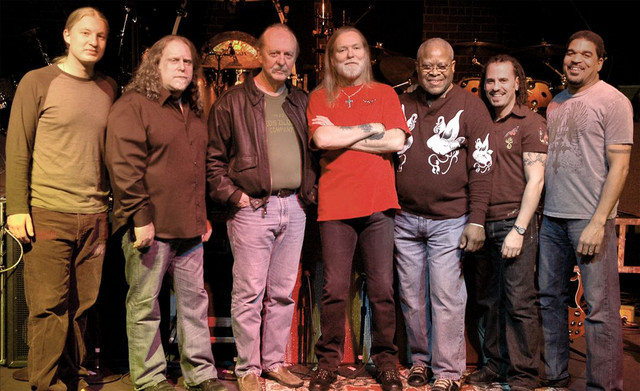
Among its ambassadors, Clapton stands as a central figure through Cream and his prolific solo work; Jimmy Page’s electric explorations with the Yardbirds and Led Zeppelin showcased how blues forms could become monumental, stadium-ready rock. Jimi Hendrix’s electricity and emotion fused blues phrasing with boundary-pushing effects. The Allman Brothers Band extended blues rock into dramatic roll-and-jam territory with Southern hospitality and improvisational prowess. In later decades, artists such as Stevie Ray Vaughan, Joe Bonamassa, Gary Clark Jr., Rory Gallagher, the Black Keys, and Rival Sons kept the flame alive—each adding their own geographies of feel, discipline, and riff-driven craft.
Blues rock has enjoyed its strongest popularity in the United States and the United Kingdom, where its early spark was lit, but its appeal spread across Europe, with especially strong scenes in Germany and the Scandinavian countries, and then globally in Canada, Australia, and beyond. Its influence helped birth hard rock and shaped the aesthetics of modern guitar-centric rock. For enthusiasts, blues rock offers a lineage you can trace from a smoky club to a stadium stage, and a living tradition of players who keep riffing, bending, and improvising the blues into new shapes. Listen for the gritty swagger, the pour-over-of-licks, and the way a good blues-rock track can move from pocketed blues to explosive rock in a single chorus.
The genre truly took shape in the mid-1960s, born from a British blues revival that reimagined Chicago and Delta blues through a rock lens. The early wave featured John Mayall & the Bluesbreakers with Eric Clapton, whose 1966 collaboration brought the blues into louder, more electrified territory. The Yardbirds, with Clapton and later Jeff Beck (and finally Jimmy Page), helped establish a template of fiery guitar work and improvisation. Cream—Clapton’s power trio—turned blues into a kinetic, virtuosic form, highlighted by Disraeli Gears (1967). Across the Atlantic, bands like Led Zeppelin fused ferocious riffs and extended improvisations with blues roots, while Jimi Hendrix blended blues licks with psychedelic textures, elevating blues rock to new sonic extremes.
What distinguishes blues rock is its emphasis on guitar-driven dynamics, from lean, punchy riffs to soaring solos, anchored by solid rhythm sections. The genre thrives on live performance energy: the tension in a tight 4/4 groove, the sly lift of a call-and-response vocal, and the moment when a guitarist bends a note just a whisper past the safe side of a blues scale. Yet it remains versatile enough to be tender, with soulful passages and melodic turns that honor the blues lineage.
Among its ambassadors, Clapton stands as a central figure through Cream and his prolific solo work; Jimmy Page’s electric explorations with the Yardbirds and Led Zeppelin showcased how blues forms could become monumental, stadium-ready rock. Jimi Hendrix’s electricity and emotion fused blues phrasing with boundary-pushing effects. The Allman Brothers Band extended blues rock into dramatic roll-and-jam territory with Southern hospitality and improvisational prowess. In later decades, artists such as Stevie Ray Vaughan, Joe Bonamassa, Gary Clark Jr., Rory Gallagher, the Black Keys, and Rival Sons kept the flame alive—each adding their own geographies of feel, discipline, and riff-driven craft.
Blues rock has enjoyed its strongest popularity in the United States and the United Kingdom, where its early spark was lit, but its appeal spread across Europe, with especially strong scenes in Germany and the Scandinavian countries, and then globally in Canada, Australia, and beyond. Its influence helped birth hard rock and shaped the aesthetics of modern guitar-centric rock. For enthusiasts, blues rock offers a lineage you can trace from a smoky club to a stadium stage, and a living tradition of players who keep riffing, bending, and improvising the blues into new shapes. Listen for the gritty swagger, the pour-over-of-licks, and the way a good blues-rock track can move from pocketed blues to explosive rock in a single chorus.