Genre
harana
Top Harana Artists
Showing 25 of 398 artists













About Harana
Harana is best described as the intimate art of the Filipino serenade. It’s the act of a hopeful suitor lifting his voice, often with a simple acoustic guitar, to woo a beloved—sometimes from the doorway of her home, sometimes beneath a balcony or window—whispering a love song with tenderness and reverence. More than a musical style, harana is a cultural ritual: a memory of courtship, hospitality, and community, where neighbors and friends sometimes join in or wait in the wings to offer a warm chorus or a supportive hum.
Origins and birth
Harana grew out of the Philippines’ layered musical landscape, born and evolving during the Spanish colonial era as a distinctly Filipino adaptation of the European serenade tradition. It is closely linked to the broader world of kundiman, a flowering of Filipino love songs that matured in the late 19th and early 20th centuries. While kundiman emphasized the emotional depths and chivalric ideals of love, harana provided the practical vessel—an evening performance with guitar and voice that could declare affection in a personal, performative moment. The guitar became the emblematic instrument, adopting a modest, hypnotic setting that foregrounded the singer’s timbre and the sincerity of the lyric.
Musical characteristics
Harana is traditionally spare and intimate. A single guitarist often accompanies a vocalist, though small harmonies or the occasional chorus may appear. The tempo tends to be slow to moderate, with a focus on lyrical clarity and vocal expressiveness rather than virtuosic display. Lyrics are typically romantic, poetic, and direct, frequently drawn from Tagalog or Filipino-language love songs, sometimes with Spanish influences from earlier eras. The mood is reverent rather than dramatic: the aim is to persuade through sincerity, not spectacle, and to create a shared emotional moment between performer and beloved, with the surrounding community as witnesses.
Cultural role and evolution
Historically, harana served as a socially sanctioned form of courtship—a rite of passage in many Filipino towns and households. While it remains a nostalgic touchstone, the practice has also adapted to modern tastes. In the late 20th and early 21st centuries, harana imagery resurfaced in popular culture and in the rising indie-music scene, where artists revived the aesthetics of acoustic balladry and intimate performance. Today, harana influences contemporary Filipino pop and folk, often appearing in songs about love and longing that aim to recapture the quiet power of a handwritten note in a night-time hum.
Ambassadors and key artists
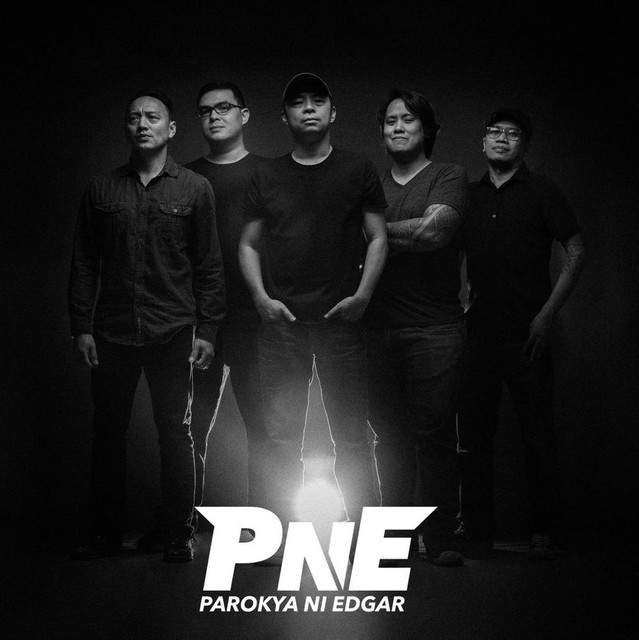
In contemporary music, harana-like sensibilities have been popularized by artists who foreground acoustic sweetness and heartfelt storytelling. Parokya ni Edgar’s celebrated track “Harana” helped reintroduce the serenade to a younger generation, bridging classic romance with modern pop-rock. Other artists who exemplify the intimate, guitar-led approach associated with harana include Johnoy Danao and Ben&Ben, who craft soft, melodic love songs that channel the genre’s spirit. While these acts are not rigid custodians of a formal genre, they are widely recognized as ambassadors of the harana aesthetic in today’s Philippines.
Geography and audience
Harana’s heart beats strongest in the Philippines, where the practice remains a touchstone of cultural memory. It also resonates with Filipino communities around the world—especially in the United States, Canada, the Middle East (where large OFW populations live), Singapore, and Australia—where audiences seek a melodic link to home and heritage. In a global sense, harana endures as a warm, intimate expression of Filipino romance, bridging generations and geographies with its timeless serenade.
Origins and birth
Harana grew out of the Philippines’ layered musical landscape, born and evolving during the Spanish colonial era as a distinctly Filipino adaptation of the European serenade tradition. It is closely linked to the broader world of kundiman, a flowering of Filipino love songs that matured in the late 19th and early 20th centuries. While kundiman emphasized the emotional depths and chivalric ideals of love, harana provided the practical vessel—an evening performance with guitar and voice that could declare affection in a personal, performative moment. The guitar became the emblematic instrument, adopting a modest, hypnotic setting that foregrounded the singer’s timbre and the sincerity of the lyric.
Musical characteristics
Harana is traditionally spare and intimate. A single guitarist often accompanies a vocalist, though small harmonies or the occasional chorus may appear. The tempo tends to be slow to moderate, with a focus on lyrical clarity and vocal expressiveness rather than virtuosic display. Lyrics are typically romantic, poetic, and direct, frequently drawn from Tagalog or Filipino-language love songs, sometimes with Spanish influences from earlier eras. The mood is reverent rather than dramatic: the aim is to persuade through sincerity, not spectacle, and to create a shared emotional moment between performer and beloved, with the surrounding community as witnesses.
Cultural role and evolution
Historically, harana served as a socially sanctioned form of courtship—a rite of passage in many Filipino towns and households. While it remains a nostalgic touchstone, the practice has also adapted to modern tastes. In the late 20th and early 21st centuries, harana imagery resurfaced in popular culture and in the rising indie-music scene, where artists revived the aesthetics of acoustic balladry and intimate performance. Today, harana influences contemporary Filipino pop and folk, often appearing in songs about love and longing that aim to recapture the quiet power of a handwritten note in a night-time hum.
Ambassadors and key artists
In contemporary music, harana-like sensibilities have been popularized by artists who foreground acoustic sweetness and heartfelt storytelling. Parokya ni Edgar’s celebrated track “Harana” helped reintroduce the serenade to a younger generation, bridging classic romance with modern pop-rock. Other artists who exemplify the intimate, guitar-led approach associated with harana include Johnoy Danao and Ben&Ben, who craft soft, melodic love songs that channel the genre’s spirit. While these acts are not rigid custodians of a formal genre, they are widely recognized as ambassadors of the harana aesthetic in today’s Philippines.
Geography and audience
Harana’s heart beats strongest in the Philippines, where the practice remains a touchstone of cultural memory. It also resonates with Filipino communities around the world—especially in the United States, Canada, the Middle East (where large OFW populations live), Singapore, and Australia—where audiences seek a melodic link to home and heritage. In a global sense, harana endures as a warm, intimate expression of Filipino romance, bridging generations and geographies with its timeless serenade.