Data may be outdated
Last updated: 1 week ago — Click refresh to get the latest statistics.
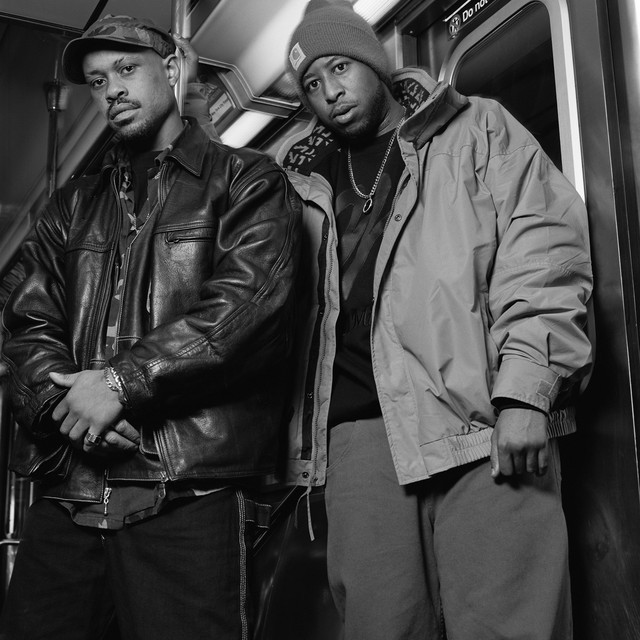
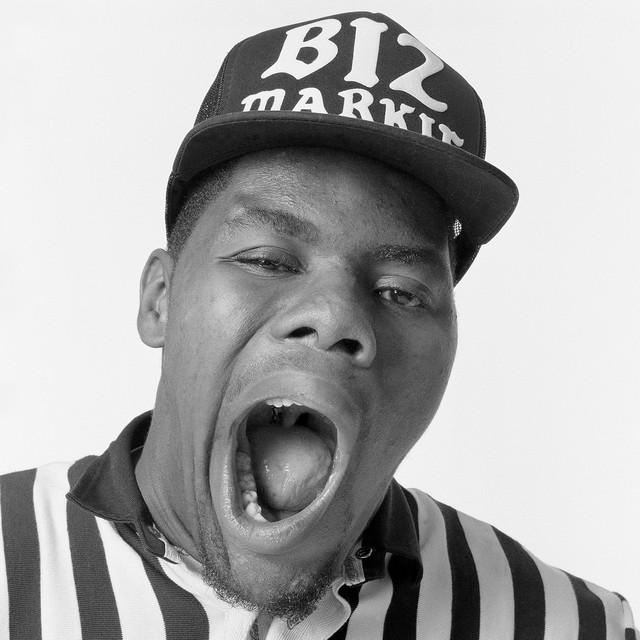
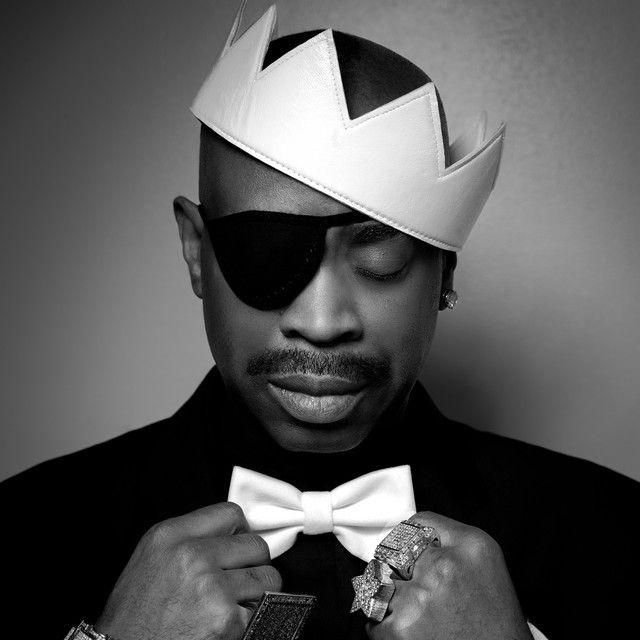
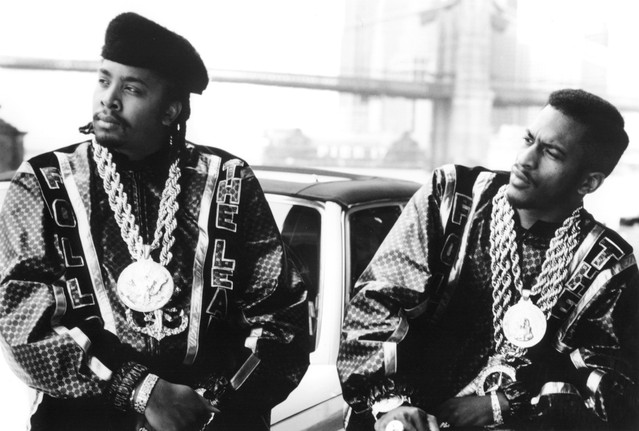
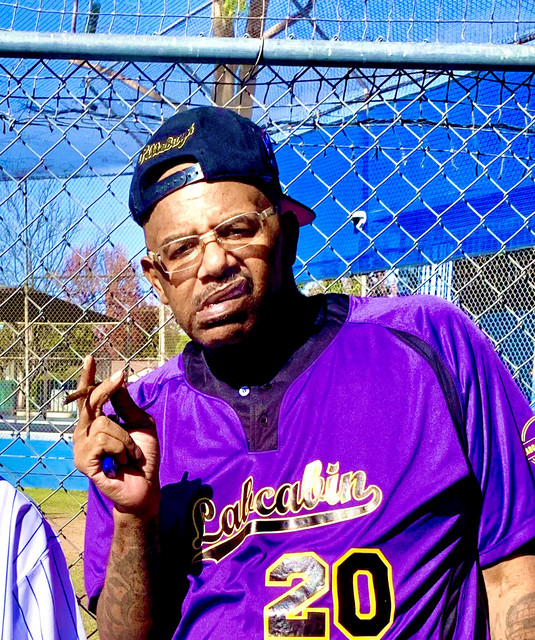
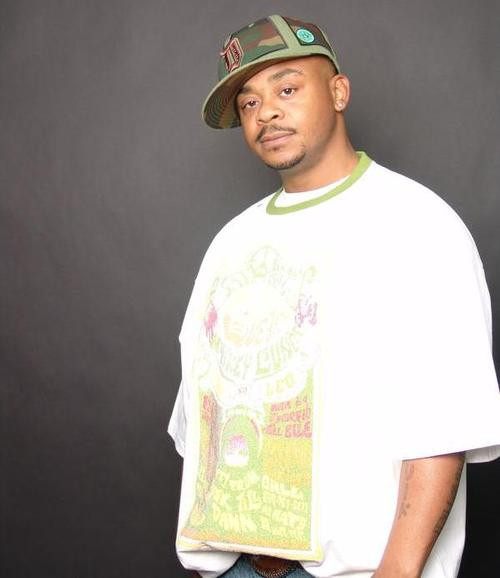
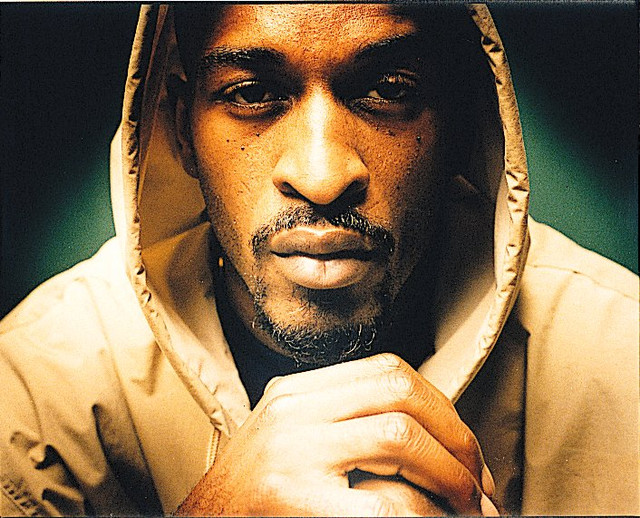
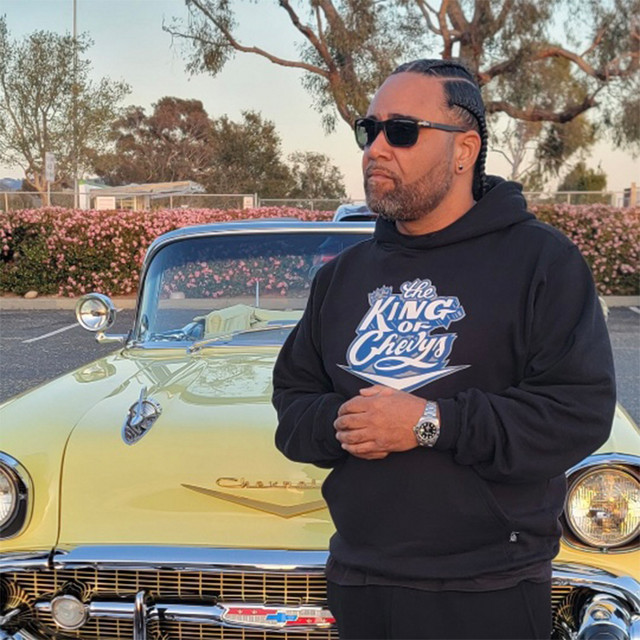
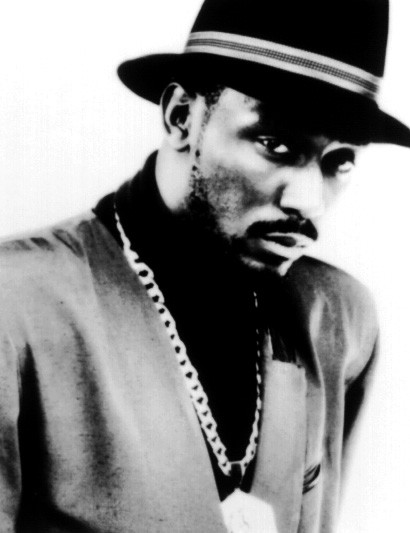
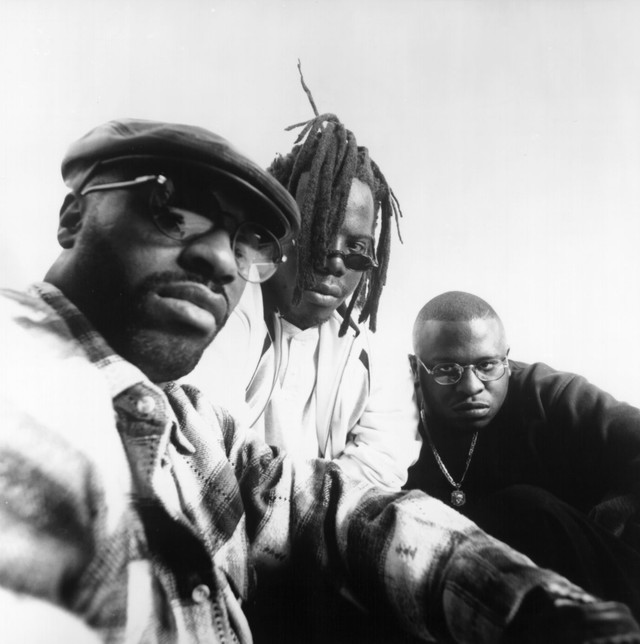
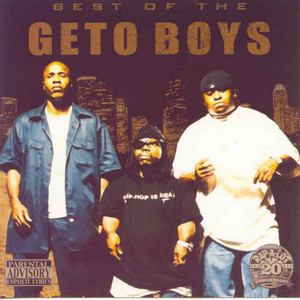
When the Geto Boys came together in 1986, though, it was with a completely different lineup. Formed as the Ghetto Boys in Houston by rap entrepreneur James "Lil' J" Smith (and signed to his Rap-A-Lot label), the group originally consisted of Prince Johnny C., the Slim Jukebox, and DJ Ready Red. During 1987-1988, both Johnny C. and the Jukebox quit, forcing Smith to add a dwarf-dancer-turned-rapper named <a href="spotify:artist:3Cjv4IeE8gjeiXvwRjwSHb">Bushwick Bill</a> (born <a href="spotify:artist:3Cjv4IeE8gjeiXvwRjwSHb">Richard Shaw</a>, Jamaica) and two Rap-A-Lot solo acts: <a href="spotify:artist:19KwjzvIL92r29IINtlPNP">Ackshen</a> (aka <a href="spotify:artist:19KwjzvIL92r29IINtlPNP">Scarface</a> born Brad Jordan, <a href="spotify:artist:5XyuevfULnu5x4U0c2Oer3">Houston</a>) and <a href="spotify:artist:7ipr4gJAFLoygvGdGs667W">Willie 'D' Dennis</a> (born <a href="spotify:artist:5XyuevfULnu5x4U0c2Oer3">Houston</a>).
After the Geto Boys' Grip It! On That Other Level caught the ear of hip-hop impresario <a href="spotify:artist:1EpmQFTiJbcxzwbLpuUL8L">Rick Rubin</a> (<a href="spotify:artist:1P8IfcNKwrkQP5xJWuhaOC">LL Cool J</a>, <a href="spotify:artist:03r4iKL2g2442PT9n2UKsx">Beastie Boys</a>), <a href="spotify:artist:1EpmQFTiJbcxzwbLpuUL8L">Rubin</a> remixed and re-recorded tracks from the album. He was ready to release it on his Def American label in 1990 when distributor Geffen balked at "Mind of a Lunatic," a track that described necrophilia with a murder victim. By late 1990, <a href="spotify:artist:1EpmQFTiJbcxzwbLpuUL8L">Rubin</a> had found another distributor, Giant Records, and the album was released -- as The Geto Boys -- that same year.
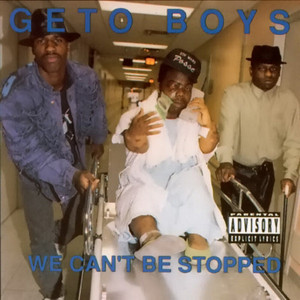
The Geto Boys' association with controversy was far from over, though; rap groups were a hot topic for moral-minded politicians during the early '90s, and several leaders used the Geto Boys as an example to decry the state of modern music. The fires were fanned in 1991 with the release of the group's second proper LP, We Can't Be Stopped. Before the release of the album, <a href="spotify:artist:3Cjv4IeE8gjeiXvwRjwSHb">Bushwick Bill</a> had lost an eye in a shooting incident with his girlfriend, and the cover featured <a href="spotify:artist:7ipr4gJAFLoygvGdGs667W">Willie D.</a> and <a href="spotify:artist:19KwjzvIL92r29IINtlPNP">Scarface</a> wheeling <a href="spotify:artist:3Cjv4IeE8gjeiXvwRjwSHb">Bill</a> into an emergency room, with a prominent shot of the damaged eye. Inside the album, proceedings were among the most extreme in the history of recorded music. Obviously, radio airplay was non-existent, but We Can't Be Stopped still went platinum in early 1992 -- thanks to the Top Ten R&B single "Mind Playing Tricks on Me," one of the most effective inner-city vignettes in hip-hop history.
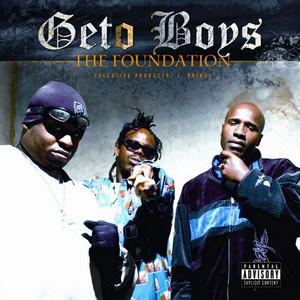
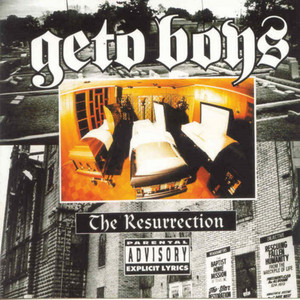
By 1993, all three members had begun solo careers, though <a href="spotify:artist:7ipr4gJAFLoygvGdGs667W">Willie D.</a> was the only one completely separated from the band, citing artistic differences. <a href="spotify:artist:19KwjzvIL92r29IINtlPNP">Scarface</a> and <a href="spotify:artist:3Cjv4IeE8gjeiXvwRjwSHb">Bill</a> continued with new member <a href="spotify:artist:2NeBwEmM7I71IsGl1y6FG0">Big Mike</a>, releasing Till Death Do Us Part in 1993, but split late in 1994. Just one year later, <a href="spotify:artist:7ipr4gJAFLoygvGdGs667W">Willie D.</a> returned to the fold for another Geto Boys release, The Resurrection, which showed the group in fine form. Now it was <a href="spotify:artist:3Cjv4IeE8gjeiXvwRjwSHb">Bushwick Bill</a>'s turn to leave the group. DMG took his place for 1998's Da Good, Da Bad & Da Ugly but returned for the group's 2005 reunion album, The Foundation. ~ John Bush, Rovi
Monthly Listeners
1.4 million
Monthly Listeners History
Track the evolution of monthly listeners over the last 28 days.
Followers
865,418
Followers History
Track the evolution of followers over the last 28 days.
Total Streams
852.5 million
Total Streams History
Track the evolution of total streams over the last 28 days. This data is calculated from all tracks listed in the artist's discography.