Genre
impresionismo
Top Impresionismo Artists
Showing 25 of 804 artists










About Impresionismo
Impressionism in music, or impresionismo in some languages, is a late-19th‑century and early‑20th‑century French movement that seeks to evoke mood, light, and atmosphere rather than to stage dramatic narrative. It grew from a wish to paint sound with the same emphasis on color and shimmer that painters like Claude Monet aimed to capture on canvas. In musical terms, this means subtle orchestration, floating rhythms, and harmonies that prioritize color over strong, functional progression.
The movement begins in Paris around the 1890s and reaches its peak in the first two decades of the 20th century. It coincides with, and is influenced by, the broader Symbolist milieu in literature and the modernist impulse to redefine tonality. Rather than building toward a clear, conventional climax, impressionist music often unfolds in fragments of texture and texture–color experiments, inviting the listener to sense a moment, a scene, or a sensation rather than a story progression.
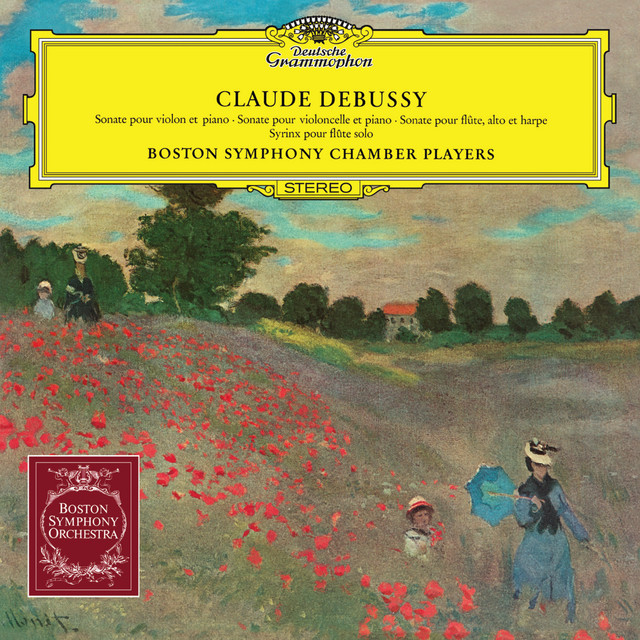
Claude Debussy is the central figure most readers and listeners associate with impressionism. His music opened a new world of sonic color: the arpeggiated white‑noise bloom of Prélude à l'après-midi d'un faune (1894), the water‑colored horizons of La Mer (1903–05), and the delicate, painterly textures of the Préludes and Images for piano. Debussy frequently employed whole‑tone scales, pentatonic flavors, modal sonorities, and chords that float rather than resolve in the traditional sense. His orchestration tends to be transparent and finely shaded, with an emphasis on timbre and atmosphere that invites listeners to feel light, wind, or water rather than to follow a conventional dramatic arc.
Maurice Ravel stands as the other major ambassador of impressionism, though he often leans toward a more crystalline, architectural clarity. His coloristic piano pieces in Gaspard de la nuit (1908) and his orchestral textures in Daphnis et Chloé (1912) push color and form to the fore without abandoning expressive nuance. Ravel’s approach tends to combine sensuous sonority with formal rigor, showing how impressionist ideas can coexist with a disciplined, precise craft. The movement also includes composers such as Erik Satie, who, with a pared-down, color‑oriented sensibility, helped push the language toward new ways of thinking about texture and simplicity.
Impresionismo took root most strongly in France, but it quickly influenced composers across Europe and into North America. Its appeal lies in its ability to conjure landscapes, moments, and sensations—moist air at dusk, a sunlit sea, a forest breeze—through coloristic harmony, luminous orchestration, and pliant, flexible rhythms. For music enthusiasts, the genre offers a listening path that rewards attention to timbre and texture; it invites you to hear how a single chord can shimmer and dissolve, how a melody can float just out of tonal certainty, and how light itself can become a formal element in sound. Today, Debussy and his successors remain touchstones for soundscapes that feel almost tactile—the best introduction to a mood rather than a plot, a moment rather than a march.
The movement begins in Paris around the 1890s and reaches its peak in the first two decades of the 20th century. It coincides with, and is influenced by, the broader Symbolist milieu in literature and the modernist impulse to redefine tonality. Rather than building toward a clear, conventional climax, impressionist music often unfolds in fragments of texture and texture–color experiments, inviting the listener to sense a moment, a scene, or a sensation rather than a story progression.
Claude Debussy is the central figure most readers and listeners associate with impressionism. His music opened a new world of sonic color: the arpeggiated white‑noise bloom of Prélude à l'après-midi d'un faune (1894), the water‑colored horizons of La Mer (1903–05), and the delicate, painterly textures of the Préludes and Images for piano. Debussy frequently employed whole‑tone scales, pentatonic flavors, modal sonorities, and chords that float rather than resolve in the traditional sense. His orchestration tends to be transparent and finely shaded, with an emphasis on timbre and atmosphere that invites listeners to feel light, wind, or water rather than to follow a conventional dramatic arc.
Maurice Ravel stands as the other major ambassador of impressionism, though he often leans toward a more crystalline, architectural clarity. His coloristic piano pieces in Gaspard de la nuit (1908) and his orchestral textures in Daphnis et Chloé (1912) push color and form to the fore without abandoning expressive nuance. Ravel’s approach tends to combine sensuous sonority with formal rigor, showing how impressionist ideas can coexist with a disciplined, precise craft. The movement also includes composers such as Erik Satie, who, with a pared-down, color‑oriented sensibility, helped push the language toward new ways of thinking about texture and simplicity.
Impresionismo took root most strongly in France, but it quickly influenced composers across Europe and into North America. Its appeal lies in its ability to conjure landscapes, moments, and sensations—moist air at dusk, a sunlit sea, a forest breeze—through coloristic harmony, luminous orchestration, and pliant, flexible rhythms. For music enthusiasts, the genre offers a listening path that rewards attention to timbre and texture; it invites you to hear how a single chord can shimmer and dissolve, how a melody can float just out of tonal certainty, and how light itself can become a formal element in sound. Today, Debussy and his successors remain touchstones for soundscapes that feel almost tactile—the best introduction to a mood rather than a plot, a moment rather than a march.