Data may be outdated
Last updated: 8 months ago — Click refresh to get the latest statistics.
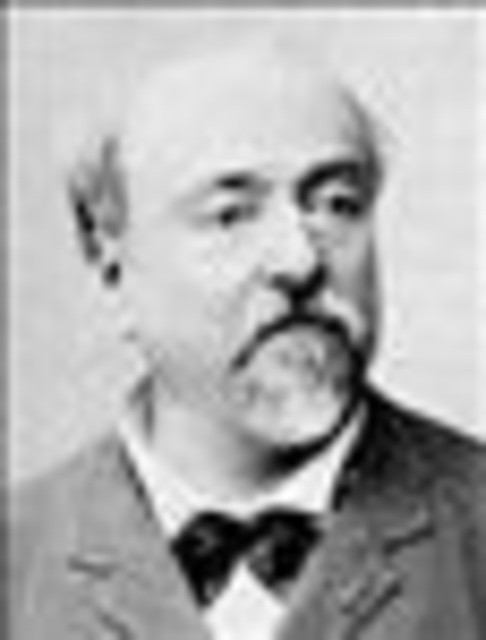
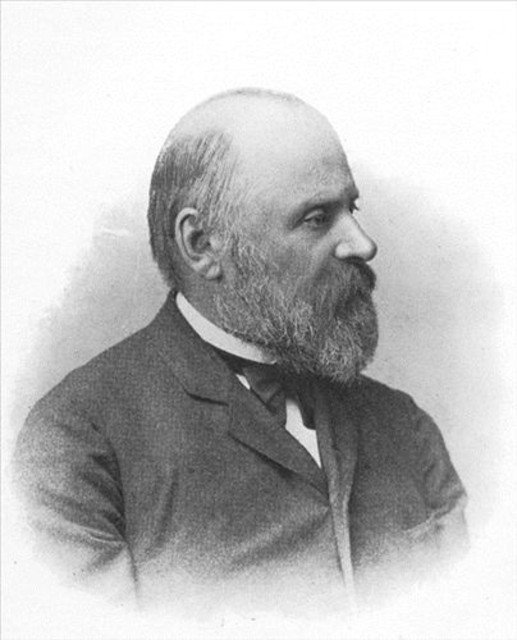
Although music seems to have been his passion all along, it was not until nearly the age of 40 that Emmanuel Chabrier turned to composition as his full-time career. When he finally did this, he crafted works characterized by brilliance, wit, and vivid harmonic, rhythmic, and orchestral coloring.
As early as age six, Chabrier began piano lessons under the tutelage of a Spanish refugee named Saporta. At ten, he attended the Lycée Impérial at Clermont Ferrand, where he continued his keyboard studies and began to try his hand at composition. Upon the insistence of his father, however, he relegated music to be his pastime. After two years in Paris at the Lycée Louis le Grand (or the Lycée Saint Louis -- biographers disagree on which is the case), he began to study law. He continued also to take piano lessons and studied counterpoint and fugue, but when he took his law degree in 1862, he went to work for the Ministry of the Interior, where he worked for 18 years. During this time, he associated with the painter Manet and the poet <a href="spotify:artist:7nZSFxwhYPg0lT15y8cx6F">Verlaine</a> and fellow musicians including <a href="spotify:artist:3ceP0vCQkBmSKTvF6CsuOw">Duparc</a>, <a href="spotify:artist:74t2IgTigmFhqMn5gs5XPt">d'Indy</a>, <a href="spotify:artist:2gClsBep1tt1rv1CN210SO">Fauré</a>, and <a href="spotify:artist:2D1iW3XCQlyJsSY5nXlIQm">Messager</a>. On December 27, 1872, he married Marie Alice Dejean.
In 1879, Chabrier made his first visit to Germany in the company of <a href="spotify:artist:3ceP0vCQkBmSKTvF6CsuOw">Duparc</a>. A performance of <a href="spotify:artist:1C1x4MVkql8AiABuTw6DgE">Wagner</a>'s Tristan und Isolde in Munich so moved him that he determined to quit the law and devote his life to music. He returned to Paris, resigned from the Ministry on November 12, 1880 -- just two months before his 40th birthday -- and began to spend his days composing. Before this monumental step, Chabrier had produced only two significant works, the operettas L'Étoile (1877) and Une Éducation manquée (1879); however, now freed of his routine job, he produced in short order Dix Pièces pittoresques for piano (1881), Habañera (1885), and Bourrée fantasque (1891). His finest short work, the brilliant España Rhapsody, came forth in 1883; this piece alone established Chabrier as a composer of serious merit.
In the years 1884 and 1885, he worked as chorus master at the Château d'Eau, where, among other projects, he assisted with a production of <a href="spotify:artist:1C1x4MVkql8AiABuTw6DgE">Wagner</a>'s Tristan. This close association with <a href="spotify:artist:1C1x4MVkql8AiABuTw6DgE">Wagner</a>'s music both developed Chabrier's skill in orchestration and instilled in him some elements of Germanic style; in later years, these elements would appear in his own works, much to his own consternation and that of his musical compatriots in France. Arguably Chabrier's finest work, the comic opera Le Roi malgré lui (based upon a comedy by François Ancelot) was premiered at the Opéra Comique on May 18, 1887. Still a rather old-fashioned work, in which sung portions were interspersed with stretches of dialogue, it was rebuffed by modernists; it was nonetheless considered spirited and delightfully original.
Considering his very late start and lack of substantial formal training, Chabrier must be regarded as brilliant. His music is extremely colorful, and he was particularly adept at integrating forces and resources to create a unified sound world. Not so much a dramatist as a lyricist, he seemed most comfortable writing in the realm of comedy; evidently this is an accurate reflection of his personality in general. He was a fundamental influence on Les Six, the group of young French composers who typified the emerging French nationalism in the generation following him; they took him as a model, stopping short of his later Wagnerian turn. He also heavily influenced the work of <a href="spotify:artist:17hR0sYHpx7VYTMRfFUOmY">Maurice Ravel</a>. When viewed in the context of his relatively short career, Chabrier's output indeed labels him as an overachiever. ~ Michael Morrison, Rovi
As early as age six, Chabrier began piano lessons under the tutelage of a Spanish refugee named Saporta. At ten, he attended the Lycée Impérial at Clermont Ferrand, where he continued his keyboard studies and began to try his hand at composition. Upon the insistence of his father, however, he relegated music to be his pastime. After two years in Paris at the Lycée Louis le Grand (or the Lycée Saint Louis -- biographers disagree on which is the case), he began to study law. He continued also to take piano lessons and studied counterpoint and fugue, but when he took his law degree in 1862, he went to work for the Ministry of the Interior, where he worked for 18 years. During this time, he associated with the painter Manet and the poet <a href="spotify:artist:7nZSFxwhYPg0lT15y8cx6F">Verlaine</a> and fellow musicians including <a href="spotify:artist:3ceP0vCQkBmSKTvF6CsuOw">Duparc</a>, <a href="spotify:artist:74t2IgTigmFhqMn5gs5XPt">d'Indy</a>, <a href="spotify:artist:2gClsBep1tt1rv1CN210SO">Fauré</a>, and <a href="spotify:artist:2D1iW3XCQlyJsSY5nXlIQm">Messager</a>. On December 27, 1872, he married Marie Alice Dejean.
In 1879, Chabrier made his first visit to Germany in the company of <a href="spotify:artist:3ceP0vCQkBmSKTvF6CsuOw">Duparc</a>. A performance of <a href="spotify:artist:1C1x4MVkql8AiABuTw6DgE">Wagner</a>'s Tristan und Isolde in Munich so moved him that he determined to quit the law and devote his life to music. He returned to Paris, resigned from the Ministry on November 12, 1880 -- just two months before his 40th birthday -- and began to spend his days composing. Before this monumental step, Chabrier had produced only two significant works, the operettas L'Étoile (1877) and Une Éducation manquée (1879); however, now freed of his routine job, he produced in short order Dix Pièces pittoresques for piano (1881), Habañera (1885), and Bourrée fantasque (1891). His finest short work, the brilliant España Rhapsody, came forth in 1883; this piece alone established Chabrier as a composer of serious merit.
In the years 1884 and 1885, he worked as chorus master at the Château d'Eau, where, among other projects, he assisted with a production of <a href="spotify:artist:1C1x4MVkql8AiABuTw6DgE">Wagner</a>'s Tristan. This close association with <a href="spotify:artist:1C1x4MVkql8AiABuTw6DgE">Wagner</a>'s music both developed Chabrier's skill in orchestration and instilled in him some elements of Germanic style; in later years, these elements would appear in his own works, much to his own consternation and that of his musical compatriots in France. Arguably Chabrier's finest work, the comic opera Le Roi malgré lui (based upon a comedy by François Ancelot) was premiered at the Opéra Comique on May 18, 1887. Still a rather old-fashioned work, in which sung portions were interspersed with stretches of dialogue, it was rebuffed by modernists; it was nonetheless considered spirited and delightfully original.
Considering his very late start and lack of substantial formal training, Chabrier must be regarded as brilliant. His music is extremely colorful, and he was particularly adept at integrating forces and resources to create a unified sound world. Not so much a dramatist as a lyricist, he seemed most comfortable writing in the realm of comedy; evidently this is an accurate reflection of his personality in general. He was a fundamental influence on Les Six, the group of young French composers who typified the emerging French nationalism in the generation following him; they took him as a model, stopping short of his later Wagnerian turn. He also heavily influenced the work of <a href="spotify:artist:17hR0sYHpx7VYTMRfFUOmY">Maurice Ravel</a>. When viewed in the context of his relatively short career, Chabrier's output indeed labels him as an overachiever. ~ Michael Morrison, Rovi
Monthly Listeners
56,457
Monthly Listeners History
Track the evolution of monthly listeners over the last 28 days.
Followers
6,212
Followers History
Track the evolution of followers over the last 28 days.
Top Cities



Related Artists



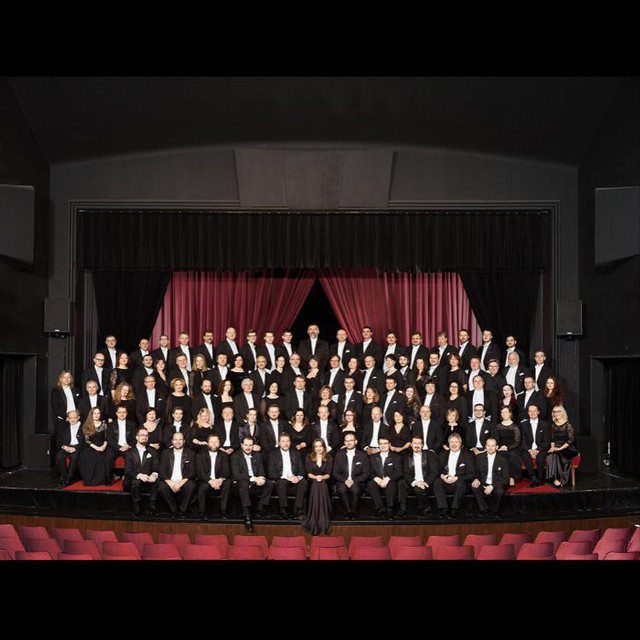
Janáček Philharmonic Orchestra

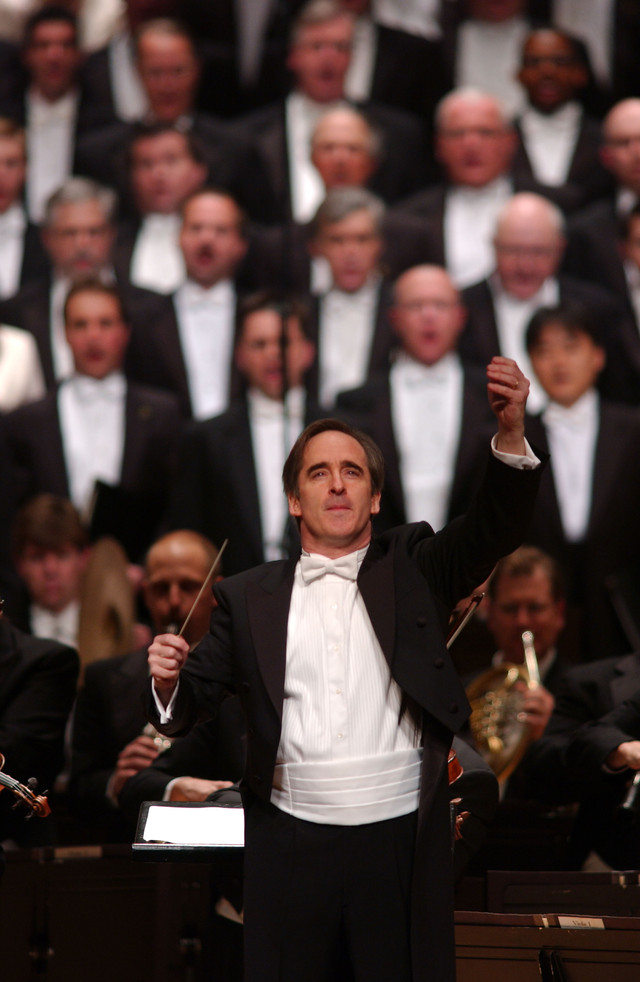







Lawrence Foster

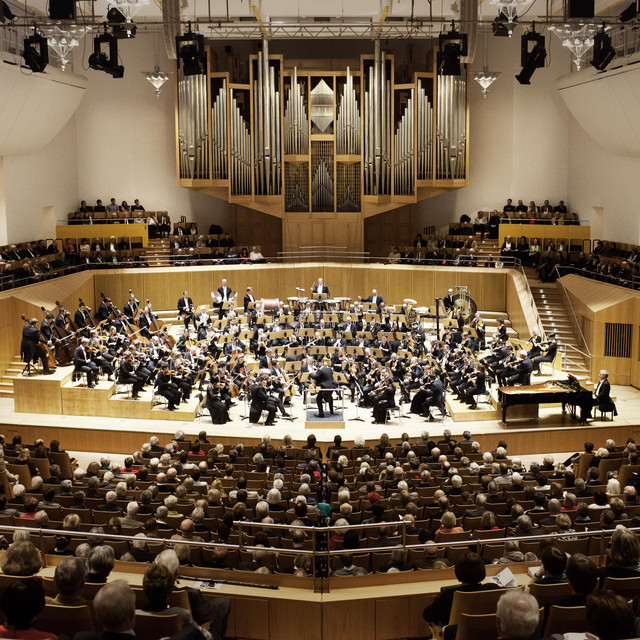
Staatsphilharmonie Rheinland-Pfalz